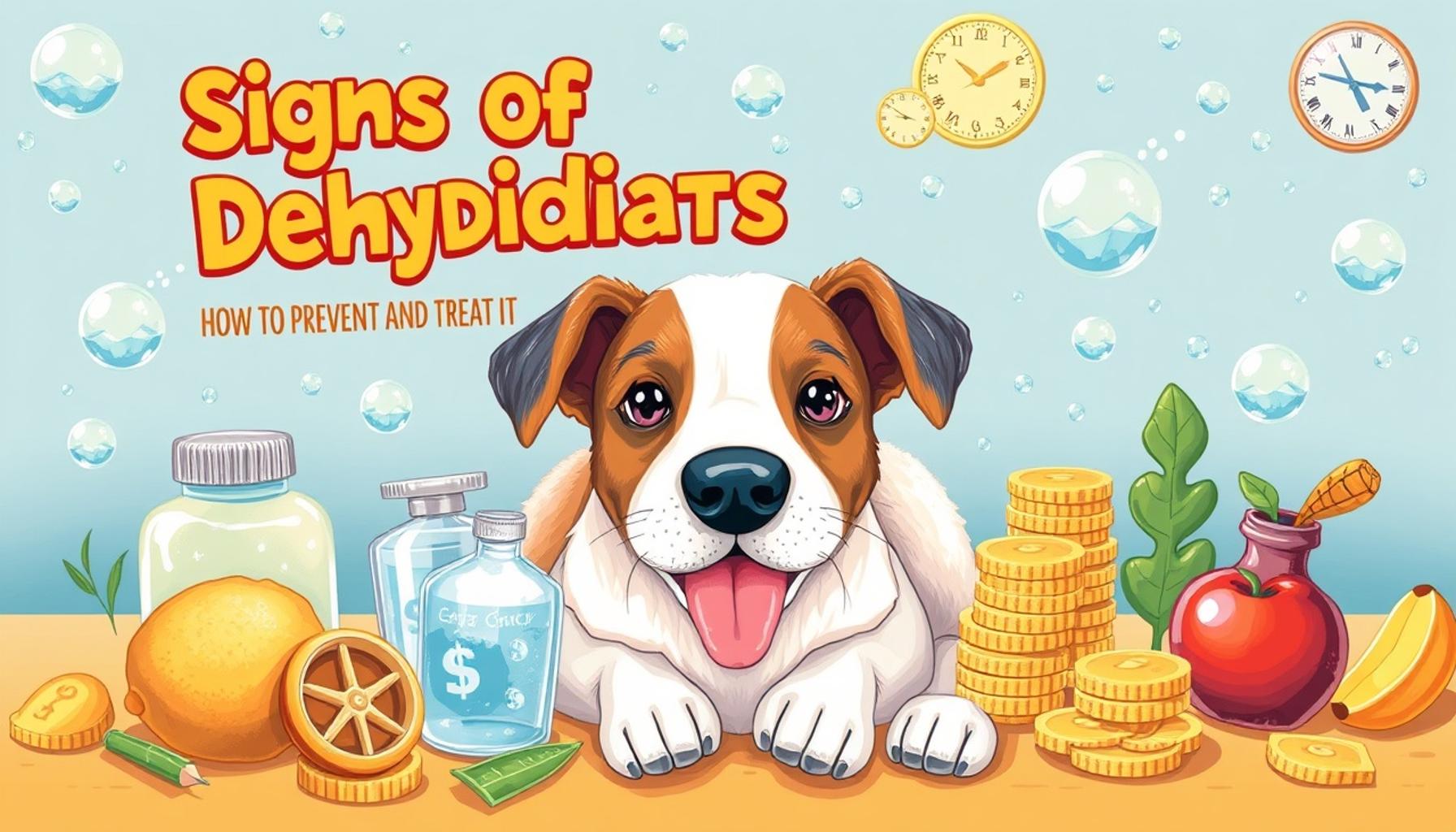
Signs of Dehydration in Pets: How to Prevent and Treat It
The Importance of Hydration for Your Pets
Ensuring your pets stay hydrated is not just a matter of comfort; it is a vital component of their overall health. Dehydration in pets can be a silent yet severe issue, risking the well-being of dogs and cats alike. Pets, like humans, can suffer from dehydration due to various factors such as heat, vigorous exercise, illness, or simply not consuming enough water on a regular basis. In the sweltering summer months or during intense play sessions, it is especially essential for pet owners to be vigilant about their furry companions’ hydration needs.
Key Signs of Dehydration
Recognizing the signs of dehydration can make a significant difference in your pet’s health outcomes. Here are some key indicators to monitor:
- Dry gums and mouth: A healthy pet should have a moist mouth. If you notice the gums appearing dry, it could be a clear sign of dehydration.
- Skin elasticity: Perform a simple test by gently pinching the skin on the back of your pet’s neck. A well-hydrated pet’s skin should quickly return to normal after being released. If it remains elevated or takes time to settle, dehydration may be present.
- Loss of energy: If your normally energetic pet appears lethargic or shows disinterest in play, it might be due to dehydration. This change in behavior should prompt owners to investigate further.
- Panting: While light panting can be normal, excessive panting, especially in high temperatures, can signal that your pet is struggling to regulate their body temperature and may be losing fluids.
- Change in urine output: Observe your pet’s bathroom habits; less frequent urination or darker-colored urine can be indicative of dehydration.
Understanding these signs is essential for pet owners. Additionally, awareness of precipitating factors—such as hot weather, exercise intensity, or existing health conditions—can help in preventing dehydration. For instance, dogs that engage in outdoor activities during hot afternoons are particularly prone to losing fluids rapidly. If you notice these symptoms, it is crucial to act promptly. Offering fresh water and, in severe cases, seeking veterinary attention can greatly enhance your pet’s chances of recovery.
With proper understanding and proactive care, pet owners can play a pivotal role in ensuring that their furry friends remain happy, healthy, and well-hydrated. Regular checks, especially during warm weather or after exercise, can safeguard against the alarming consequences of dehydration, reinforcing the bond you share with your beloved pet.
Understanding the Risk Factors for Dehydration
Dehydration in pets can arise from a variety of situations, many of which can be mitigated with simple preventive measures. As a responsible pet owner, it’s crucial to understand the risk factors that contribute to dehydration. Certain breeds, age groups, and lifestyles all play a significant role in a pet’s hydration needs. For instance, older pets and those with pre-existing health conditions, such as kidney disease or diabetes, often require closer monitoring to avoid dehydration. Furthermore, pets that lead an active lifestyle, particularly those who enjoy rigorous outdoor play, can easily lose fluids faster than their less active counterparts.
Environmental Factors
The environment significantly impacts your pet’s hydration levels, especially in areas experiencing extreme heat or humidity. Pets, like humans, can struggle to cool themselves in high temperatures, which can lead to increased fluid loss. For example, in the United States, summer heatwaves can pose serious risks. During these periods, it’s vital to provide ample water sources and shaded areas. Additionally, indoor heating systems during winter can create dry air, leading to potential dehydration in pets. Being aware of your pet’s environment is crucial; both indoor and outdoor settings merit attention for ensuring hydration.
Routine Activities and Nutritional Considerations
Daily activities can also impact hydration levels. Exercise is a double-edged sword; while it’s essential for your pet’s health, excessive activity without adequate water breaks can lead to dehydration. Make it a habit to carry water for your pet during long walks or outings, especially in warmer weather. Additionally, pets on dry food diets may require extra water compared to those eating wet food, which already contains a higher moisture content.
- Monitor outdoor playtime: It is vital to limit play during peak heat hours, opting for early morning or late evening activities instead.
- Provide fresh water at all times: Ensure that your pet has access to clean, cool water throughout the day. Refresh the water frequently, especially in warm weather.
- Encourage water intake: For pets reluctant to drink, consider adding moisture to their diet through broth (low sodium), ice cubes, or wet food.
- Use hydration products: There are even products available, such as pet-friendly electrolyte solutions, that can help replenish lost fluids.
Being proactive is key when it comes to preventing dehydration. With a solid understanding of how various factors affect your pet’s hydration levels, you can implement effective strategies. Always keep an eye out for the early symptoms and educate yourself on their hydration needs. When you combine awareness with proactive care, you’ll significantly enhance your pet’s quality of life and well-being.
Signs of Dehydration in Pets: How to Prevent and Treat It
Dehydration is a serious condition that can affect pets of all ages, and recognizing the signs promptly is crucial for their health. Common indicators include dry gums, lethargy, loss of appetite, and skin elasticity. A pet owner can perform a simple skin test: gently pinch the skin on the back of the neck. If the skin does not snap back quickly, it might indicate dehydration.Additionally, other symptoms can manifest, such as excessive panting or drinking more water than usual. In severe cases, pet owners should be on the lookout for more acute signs like sunken eyes or a dry nose.Preventing dehydration begins with ensuring your pet has constant access to fresh water. During warmer months or after vigorous exercise, pets may require more hydration. It’s advisable to offer water frequently and monitor their intake.For treatment, rehydration solutions specifically designed for pets can be effective. In serious cases of dehydration, veterinary assistance may be necessary, where professionals may administer intravenous fluids to restore hydration levels swiftly.Understanding these signs and preventative measures not only aids in maintaining your pet’s health but also strengthens the bond you share with them. With early detection and appropriate care, you can effectively combat the dangers of dehydration.
| Signs of Dehydration | Prevention Methods |
|---|---|
| Dry gums and lethargy | Regularly check water bowls and refresh with clean water. |
| Skin elasticity loss | Increase liquid intake during heat or exercise. |
It’s essential for pet owners to stay informed about their pet’s hydration needs. A proactive approach to recognizing the signs of dehydration and implementing preventive measures can lead to a healthier, happier pet.
Recognizing the Signs of Dehydration in Pets
As a pet owner, being able to identify the signs of dehydration in your furry companion is essential for timely intervention. Pets don’t always show symptoms in obvious ways, and some signs can easily be mistaken for other health issues. Therefore, it’s important to be vigilant and well-informed.
Common Symptoms to Watch For
Dry Mouth and Gums: One of the first signs of dehydration is a dry or sticky mouth and gums. Gently open your pet’s mouth and check for moisture; if the gums appear dry and pale, this might indicate a lack of hydration.
Skin Elasticity: A simple skin test can be conducted by gently pulling back the skin on the back of your pet’s neck. If the skin doesn’t return to its original position quickly, this may indicate dehydration. Healthy skin should bounce back immediately.
Decreased Urination: Pay attention to your pet’s bathroom habits. If you notice a decrease in urination or darker urine than normal, it could be a clear sign of dehydration. Hydrated pets typically urinate more frequently, and urine should be light yellow in color.
Lethargy and Weakness: Dehydrated pets may appear less energetic, slowing down during playtime or showing reluctance to move. If your usually active pet seems unusually tired, it’s time to assess their hydration status.
Changes in Appetite: A sudden decrease in appetite can often accompany dehydration. If your pet is not eating their usual amount of food, it may be worth investigating their water intake and hydration levels.
Sunken Eyes: In some instances, you may notice that your pet’s eyes appear sunken or less vibrant. This can be a telling sign of dehydration, especially if coupled with other symptoms.
Immediate Actions to Take
If you suspect your pet is dehydrated, prompt action is crucial. Start by providing clean, cool water and encourage your pet to drink. You can also try to entice your pet with ice cubes or wet food to increase their fluid intake.
For pets in more serious conditions, consider the following immediate care tips:
- Contact Your Veterinarian: If your pet shows severe signs, such as lethargy, persistent vomiting, or hasn’t been able to drink water, contact your veterinarian immediately. They may require intravenous fluids or further medical treatment to address the issue.
- Hydration Solutions: Look for pet-specific electrolyte solutions available at pet stores or your vet’s office. These can help rehydrate your pet quickly without causing digestive upset.
- Monitor Behavior: After taking initial steps, keep a close eye on your pet’s behavior. If symptoms persist or worsen, seek veterinary help as soon as possible. It’s always better to err on the side of caution when it comes to your pet’s health.
Understanding the signs of dehydration in pets is pivotal for ensuring their well-being. By being proactive and addressing hydration needs regularly, pet owners can prevent these signs from becoming a serious health issue.
Importance of Hydration for Pets
Ensuring the hydration of our furry companions is paramount to their overall health and well-being. Dehydration in pets can lead to serious health complications, including kidney failure, urinary tract infections, and even death if not addressed in a timely manner. Recognizing the warning signs early is crucial for pet owners who want to safeguard their pets against the risks associated with inadequate hydration.
Common Symptoms of Dehydration
Some of the common indicators that a pet may be dehydrated include dry mouth, which can be detected by gently lifting their lip and feeling for moisture. Decreased urination is another red flag; pets that are not urinating as frequently may be consuming inadequate amounts of water. Additionally, a lethargic demeanor, where your pet appears unusually tired or disinterested in play, can be an early sign of dehydration.
Practical Prevention Strategies
To prevent dehydration, it is essential to provide an unlimited supply of clean, fresh water. During the warmer months, particularly in states like Arizona or Florida where temperatures can soar, animals may require extra hydration. In such cases, monitoring your pet’s fluid intake becomes critical. You might consider offering them hydration solutions like electrolyte-replenishing pet drinks or even incorporating wet food into their diet, which contains additional moisture compared to dry kibble.
Regular Vet Visits
Annual check-ups with a veterinarian can also help detect underlying health issues that may predispose pets to dehydration, such as diabetes or kidney disease. These conditions require closer monitoring of hydration and health status. It’s not just about keeping your pet hydrated; it’s about being proactive in your approach to pet care.
Peace of Mind
Ultimately, knowledge and vigilance serve as powerful allies in your mission to keep your pet healthy. Learning how to treat and prevent dehydration can empower you to act quickly should any symptoms arise. Animal professionals recommend that if ever in doubt regarding your pet’s hydration levels, it’s always best to reach out to your veterinarian to seek advice and assistance. Early intervention can make a substantial difference, thereby ensuring your furry friends remain not only happy but also healthy.

Linda Carter
Linda Carter is a writer and pet care expert specializing in pet health, grooming, and wellness. With extensive experience helping pet owners create safe, loving, and enriching environments for their animals, Linda shares her knowledge on our platform. Her goal is to empower readers with practical advice and strategies to ensure their pets thrive and lead joyful, healthy lives.