
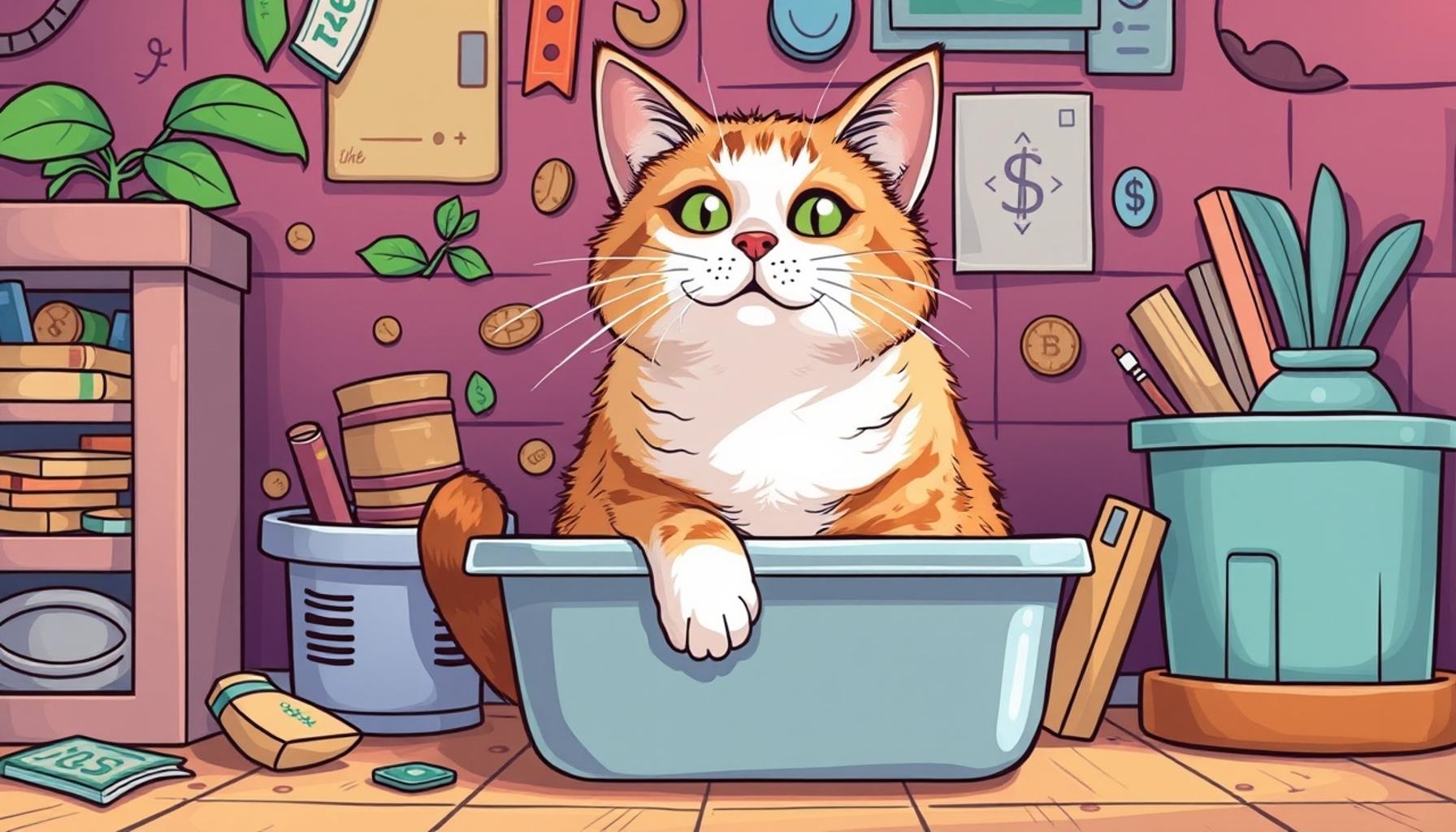
Understanding Litter Box Training
Bringing a cat into your home can be an exciting experience, but training them to use a litter box is essential for a harmonious living environment. Many new cat owners wonder how to make this process smooth and effective. Fortunately, with a few simple steps, you can help your feline friend become a litter box pro.
Understanding litter box training is key to a happy relationship with your pet. Follow these essential steps to ensure a successful and hassle-free training experience:
- Choose the right litter box: The size, style, and accessibility of the litter box are crucial. If you have a kitten, start with a smaller box that they can easily climb in and out of. As they grow, upgrade to an appropriately sized box. Some cats prefer covered boxes for privacy, while others like an open design. Observe your cat’s preferences to determine what works best.
- Select a suitable litter: Experimenting with different types of litter can be beneficial. You may opt for clumping litter, which forms solid clumps for easy removal, or non-clumping options that absorb moisture. Natural litters made from corn, recycled paper, or wood pellets are also options. Cats can be particular about the texture of their litter, so trying a few varieties may be necessary.
- Find the perfect location: The placement of the litter box significantly affects its usage. Choose a quiet, easily accessible spot away from their food and water bowls, as cats prefer privacy when doing their business. Avoid high-traffic areas and any location that may be subject to loud noises or disturbances, as stress can discourage a cat from using the litter box.
A cat’s natural instincts make it easier to train them than you might think. Most cats instinctively bury their waste, which can be leveraged in the training process. With patience and understanding, your cat will learn to use the litter box efficiently. Positive reinforcement plays a vital role; when your cat uses the litter box correctly, offer them a treat or affection to encourage this behavior.
As you embark on this journey, consistency is critical. Maintaining a regular cleaning schedule will also help your cat feel satisfied and motivated to use the box. A dirty box can lead to accidents around your home, so scoop daily and change the litter entirely at least once a week.
Additionally, be prepared to manage any mishaps without scolding. Cats respond best to gentle encouragement rather than punishment. If your cat has an accident, clean the area thoroughly to remove any lingering odors that might attract them back to the same spot.
With time and commitment, your cat will not only appreciate the litter box but also feel secure and comfortable in your home. Let’s delve deeper into specific techniques and common challenges faced during litter box training!
DIVE DEEPER: Click here to learn about positive reinforcement in pet training
The Litter Box Setup: Creating the Ideal Environment
To successfully train your cat to use a litter box, the setup is crucial. By creating an inviting litter box environment, you can significantly improve the chances of your cat enjoying and regularly using the box. Below are several elements to consider when setting up your cat’s litter box:
- Multiple Litter Boxes: If you have more than one cat, the general rule of thumb is to have one litter box per cat, plus one extra. This means that if you have two cats, you should provide at least three litter boxes. Cats can be territorial, and having multiple options helps to reduce stress and territorial disputes over a single box.
- Easy Access: Ensure that your cat can easily access the litter box. This is especially important for older or disabled cats that may have difficulty jumping into a high-sided box. Consider providing a box with lower sides or a ramp to accommodate their needs.
- Regular Maintenance: Cats are known for their cleanliness, and a dirty litter box can lead to rejection. Regularly scoop the litter at least once a day and be sure to replace the litter and clean the box with soap and water weekly. Keeping the litter box clean will encourage your cat to use it consistently.
- Experiment with Different Litters: Not all cats have the same preferences when it comes to litter. As mentioned earlier, you may need to experiment with different types such as clumping, non-clumping, or even natural options. Pay attention to your cat’s behavior to identify which variety they prefer. It’s not uncommon for a cat to refuse to use the litter box simply because of an unappealing litter texture.
- Positive Reinforcement: When your cat uses the litter box correctly, shower them with praise or a small treat. This positive reinforcement can strengthen the desired behavior, encouraging them to repeat it. Cats are creatures of habit, so linking the reward to their good behavior will help create a routine.
As you begin this training process, take note of your cat’s reactions to the litter box setup. If they seem hesitant or avoid the box, reassess the location, style, and cleanliness of the litter box. It’s essential to communicate with your feline companion and adjust the environment as needed.
Moreover, make sure that anything that could potentially deter your cat from using the box is managed appropriately. Some household items, such as cleaning products or strong-smelling air fresheners, can act as aversive triggers. Remember that a cat’s sense of smell is far more acute than humans, so your cleaning supplies may be off-putting to them.
By thoughtfully considering the litter box environment and your cat’s unique preferences, the path to effective litter box training will become clear. With patience and attention to detail, your feline friend will soon be on their way to establishing a comfortable routine with their litter box.
| Advantages of Proper Training | Why It Matters |
|---|---|
| Increased Hygiene | A well-trained cat reduces odor and mess, leading to a cleaner home environment. |
| Less Stress for the Cat | A litter box makes it easier for cats to fulfill their natural instincts, promoting overall well-being. |
| Stronger Bond with Owner | Training enhances understanding and communication, contributing to a happier relationship. |
| Cost Effective | Saves money on cleaning supplies and potential damage caused by accidents. |
Using a litter box is not only instinctive for cats but also beneficial for both the animal and their human companions. Understanding the positive impacts of effective training can lead to a more harmonious household. By acknowledging these advantages, cat owners can prioritize teaching their feline friends to use the litter box properly. By combining various techniques and understanding your cat’s behavior, you will foster a positive training atmosphere, ensuring your cat learns efficiently. It’s essential to create a stable routine and to use rewarding methods during the training process. Using the right litter type and maintaining a clean box are fundamental aspects that contribute to this success.
DISCOVER MORE: Click here to learn how nutrition shapes pet behavior
Understanding Your Cat’s Behavior: Signs and Troubleshooting
While setting up the ideal litter box environment is a significant first step in training your cat, understanding their behavior is equally important. Cats are known to express their feelings in various ways, and being attuned to these signs can help you address any litter box training issues that arise during the process.
One common concern among cat owners is a cat’s refusal to use its litter box. This can stem from several issues, including stress, health problems, or simply discomfort with the litter box setup. Below are a few tips to help you identify and troubleshoot potential problems:
- Observe Your Cat’s Behavior: Pay close attention to how your cat reacts to the litter box. Are they sniffing it but not going in? Are they scratching at the sides without using it? These behaviors may indicate discomfort with the litter type, size, or even location of the box. Noticing these signs early can help you make necessary adjustments.
- Address Health Concerns: If your cat suddenly starts avoiding the litter box, it may be a sign of a medical issue, such as a urinary tract infection or other health problems. If you notice signs like straining to urinate, blood in urine, or excessive grooming of the genital area, it’s vital to consult with a veterinarian. Maintaining your cat’s health is crucial to successful litter box training.
- Location Matters: The placement of the litter box plays an enormous role in whether your cat feels comfortable using it. A box located in a busy or noisy area may deter your cat from making it their restroom. Ideally, set up the litter box in a quiet, low-traffic area where your cat feels safe and undisturbed. Avoid placing it near their food and water dishes, as cats prefer to keep their eating and elimination areas separate.
- Reassess the Type of Litter: As previously mentioned, experimenting with different types of litter can be critical. For example, some cats may prefer unscented litter, while others might like a specific texture. Cats can also be particularly sensitive to strong scents, so opting for natural or biodegradable options may make your cat feel more comfortable. If possible, try to introduce any changes gradually to avoid confusing your pet.
- Create a Routine: Cats thrive on routines, and establishing a consistent schedule for feeding and litter box access can help reinforce their training. Set regular feeding times and allow your cat to have access to the litter box shortly after meals. This routine can encourage them to associate specific times with the use of the litter box.
Moreover, consider the implications of your cat’s previous experiences. If you recently adopted your feline friend, it’s helpful to learn about their past. Cats that have been rehomed may come with their own preferences and habits that could affect their current training process. Understanding your cat’s background can shed light on potential behavior patterns and help you build a tailored approach to their litter box training.
Lastly, it’s essential to be patient with your cat during this training process. Like any new behavior, adjusting to a litter box can take time and persistence. Avoid punishment or negative reinforcement if your cat temporarily struggles, as this can foster fear and further discourage them from using the litter box.
By paying close attention to your cat’s signals and being prepared to troubleshoot issues that may arise, you can pave the way for a successful litter box experience. Ultimately, understanding their unique behavioral cues and needs can lead to a more harmonious living environment for both you and your furry companion.
DISCOVER MORE: Click here to learn about exotic pet breeds
Conclusion: Ensuring Litter Box Success for Your Feline Friend
Training your cat to use a litter box is a rewarding endeavor that requires patience, understanding, and a bit of effort. By creating an inviting environment with the right litter box setup and recognizing your cat’s individual preferences, you are laying the groundwork for a successful experience.
It’s essential to be attentive to your cat’s behavior, as their reactions can provide insights into their comfort level and any issues that may arise. Remember, if your feline companion is hesitant to use the box, it could indicate underlying health issues or discomfort with the current litter or location. Regular observation and willingness to adapt can make all the difference in your training journey.
Additionally, fostering a routine around feeding and litter box access can help reinforce positive habits, making it easier for your cat to embrace their chosen restroom area. Incorporating gradual changes—be it the type of litter or box location—can ensure that your cat feels safe and secure throughout the training process.
Ultimately, building a supportive and understanding connection with your cat is crucial. Training is not a race, and each cat will develop their habits at their own pace. By taking the time to explore their needs and being patient through the learning stages, you can enhance both your and your cat’s quality of life.
In conclusion, with the right approach and a focus on your unique feline’s needs, litter box training can be a satisfying experience. So invest in your cat’s comfort, stay observant, and most importantly, shower them with love. Your efforts will lead to a cleaner home and a happier, more well-adjusted companion.