Homemade Pet Food: Benefits and Risks of DIY Nutrition for Your Pets
The Rise of Homemade Pet Food
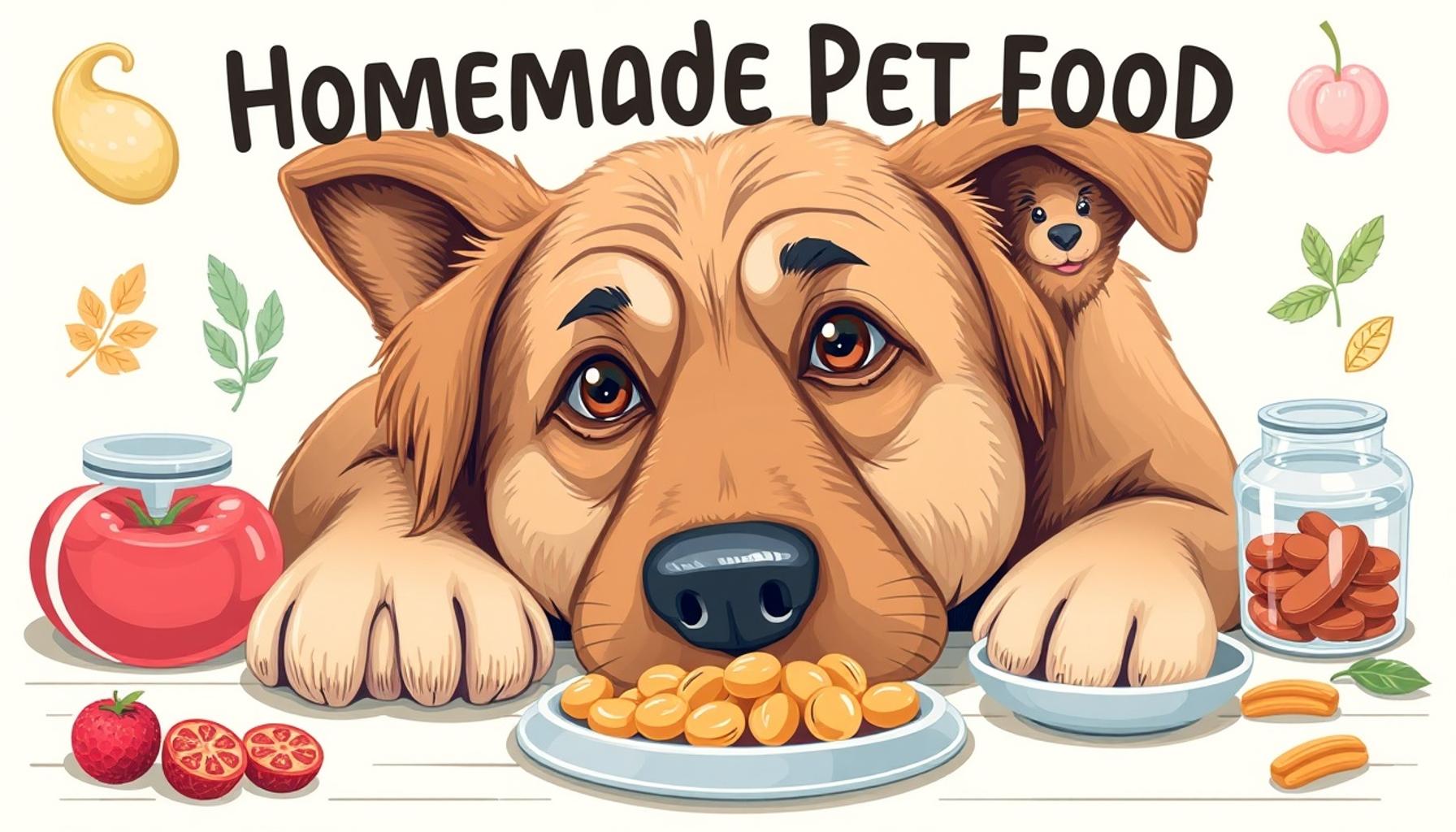
As pet ownership evolves, so do the feeding habits of beloved furry companions. With an increasing number of pet owners prioritizing health and nutrition, homemade pet food has emerged as a popular alternative to commercially produced options. Crafting meals at home offers a unique approach to pet nutrition, emphasizing freshness and quality. However, the decision to make pet food at home is not without its complexities. Are the advantages truly worth the potential pitfalls?
Benefits to Consider
- Control Over Ingredients: One of the primary advantages of homemade pet food is that owners have total control over what goes into their pets’ diets. This means avoiding preservatives, artificial flavors, and fillers commonly found in commercial food. Ingredients can be sourced from local farms or organic markets, ensuring they are fresh and high-quality.
- Customization: Different pets have unique dietary needs based on factors such as age, breed, and health conditions. For instance, a dog with allergies might require a hypoallergenic diet, while an aging cat may need more protein. Homemade recipes allow for precise tailoring to meet these specific requirements, ensuring pets receive all necessary nutrients.
- Enhanced Freshness and Flavor: Just like with human meals, homemade pet food can be made fresh, ensuring that pets enjoy meals that are both nutritious and flavorful. Many pets find home-cooked food more appealing than processed kibble, which can lead to better meals being eaten and improved overall health.
Potential Risks to Be Aware Of
- Nutritional Imbalances: One of the most critical considerations when preparing homemade meals for your pet is the risk of nutritional deficiencies. Many commercial pet foods are formulated by experts to ensure a balance of essential nutrients. Homemade diets might miss vital vitamins and minerals, potentially leading to health issues if not properly managed.
- Time-Consuming Preparation: Preparing homemade meals can be a labor-intensive process. It often requires not only time spent cooking but also planning, shopping for ingredients, and research into appropriate recipes that cater to pets’ specific needs. Busy pet owners may find it challenging to maintain this regimen consistently.
- Need for Research: Crafting nutritious diets for pets necessitates thorough understanding and ongoing education about pet nutrition. Owners must be willing to invest time into learning about balancing nutrients, understanding how specific ingredients affect their pets, and the importance of proper food safety practices.
For those who are passionate about their pets’ well-being, venturing into the world of homemade pet food can be a fulfilling endeavor—if approached with care. An informed pet owner who understands the essentials of pet nutrition can create satisfying, nourishing meals. The journey warrants a firm commitment to both education and experimentation, as well as a careful examination of factors that can influence the overall health of pets.
In the following sections, we will delve deeper into the pros and cons of DIY nutrition for your pets, providing insights that will empower you to make choices that best serve the health and happiness of your beloved companions.
Understanding the Homemade Approach
The shift towards homemade pet food signifies a deepening connection between pet owners and their pets. As more individuals become conscious of what goes into their own diets, a similar sentiment extends to their pets. With an array of recipes available online, many pet owners are opting to whip up meals from scratch, inspired by the belief that they can provide superior nutrition for their beloved animals. Yet, before diving into this culinary endeavor, understanding both the benefits and risks remains essential.
Benefits of Homemade Pet Nutrition
Homemade pet food presents several compelling advantages, appealing to those who cherish the health of their pets. Some notable benefits include:
- Transparency in Ingredients: Making pet food at home delivers unparalleled transparency in what pets consume. Owners can handpick every ingredient, which is particularly reassuring for those worried about additives found in mass-produced pet food. Organic vegetables, grass-fed meats, and whole grains can star in their pet’s bowl.
- Accommodating Specific Health Needs: Just like people, pets may have specific dietary restrictions or health conditions that require personalized care. A homemade diet can easily eliminate allergens, such as grains or certain proteins, tailored to an individual pet’s sensitivities or preferences. This flexibility is especially advantageous for pets recovering from illnesses or those with chronic health issues.
- Bonding Experience: Preparing homemade meals for pets can create a delightful bonding experience. Involving pets in the process—such as letting them smell or taste ingredients before cooking—can enhance the meal time ritual, creating a fuller experience for both pet and owner.
Moreover, with the knowledge of what is being served, pet owners can foster a sense of pride in preparing their pet’s meals, while potentially saving money in the long run compared to some high-end commercial options.
Recognizing the Risks of DIY Pet Meals
Despite its appeal, shifting to homemade pet diets is not solely a walk in the park. Understanding the challenges is pivotal for any responsible pet owner:
- Risk of Incomplete Diets: One of the primary concerns with homemade pet food is ensuring nutritional adequacy. Unlike commercial pet foods, which are formulated to meet specific guidelines established by veterinary nutritionists, home-prepared meals may lack essential vitamins and minerals. Without proper balance, pets can develop a myriad of health problems, including deficiencies leading to serious consequences.
- Time and Effort Required: Crafting balanced homemade meals requires both planning and effort. Owners must not only devise appropriate recipes but also take into account their pets’ changing needs as they grow or as health concerns arise. This investment of time can be daunting for those with busy schedules.
- Increased Responsibility: The transition to making pet food at home places a considerable responsibility on the owner. Learning about pet nutrition, sourcing quality ingredients, and being aware of food safety practices are all crucial factors. Owners must stay engaged with ongoing education regarding what constitutes a healthy balanced diet for their pets.
By weighing the benefits and risks of homemade pet food, pet owners can decide whether this approach aligns with their values and lifestyle while addressing their pets’ needs effectively. With the right knowledge and commitment, DIY nutrition could not only enhance the health of pets but also strengthen the human-animal bond.
| Advantages | Key Insights |
|---|---|
| Customization | DIY pet food allows owners to tailor recipes to their pet’s specific needs, whether it be allergies or dietary restrictions. |
| Quality Control | By making your pet food at home, you can ensure fresh, high-quality ingredients free from artificial additives. |
| Cost-Effectiveness | Homemade pet food can often be less expensive than buying premium pet food brands. |
| Bonding Experience | Preparing meals can create a stronger bond between you and your pet as you engage in their nutrition together. |
Navigating the Nutritional Landscape
The journey into homemade pet food entails a careful navigation of nutritional requirements essential for a pet’s health. Understanding the specific dietary needs of pets and ensuring that meals are nutritionally balanced is a cornerstone of the DIY approach. This section delves into critical considerations that every pet owner must embrace when venturing into homemade meals.
Essential Nutritional Components
Creating a wholesome diet for pets requires a comprehensive understanding of the essential nutrients necessary for their well-being. Veterinarians recommend that a balanced pet meal consists of various components:
- Proteins: Animals, particularly dogs and cats, require high-quality protein sources for muscle development and overall health. Protein can come from meats, eggs, and fish. Each protein source brings different benefits; for example, salmon is rich in omega-3 fatty acids which promote a healthy coat and skin.
- Carbohydrates: While pets may not require as many carbs as humans, they can benefit from digestible carbohydrates that provide energy. Ingredients like sweet potatoes, brown rice, or oats can serve as excellent carbohydrate sources when prepared correctly.
- Fats: Healthy fats are crucial for energy and sustaining a shiny coat. Omega-6 and omega-3 fatty acids, often derived from plant and fish oils, are essential in promoting overall health. However, moderation is key, as excessive fats can lead to obesity.
- Vitamins and Minerals: Since homemade diets can lack essential nutrients, supplementation may be necessary. Common vitamins and minerals to consider include Vitamin E, calcium, and taurine, especially for cats. Consulting with a veterinary nutritionist can help in determining the right balance.
Safety and Quality Control
When crafting homemade meals, food safety is of utmost importance. Just as humans focus on hygiene in food preparation, pet owners need to uphold similar standards. Ensuring that ingredients are fresh, free of contaminants, and appropriately cooked is imperative. Here are some key considerations:
- Ingredient Sourcing: Opt for high-quality, fresh ingredients to minimize risks of infections. Purchasing from reputable suppliers or organic markets may help guarantee the integrity of the ingredients.
- Hygiene Practices: Just as one would wash hands and kitchen surfaces before food preparation for humans, the same applies to cooking for pets. Ensuring that utensils and surfaces are cleaned properly can prevent cross-contamination of bacteria.
- Storage Concerns: Homemade pet food should be stored properly to maintain freshness. Refrigerating leftovers and monitoring expiration dates on ingredients is essential. Leaving cooked food at room temperature for too long can pose health risks.
Consultation with Professionals
Before embarking on the homemade pet food journey, pet owners should consider consulting with professionals. Engaging with a veterinary nutritionist can provide tailored advice regarding dietary requirements, suitable ingredients, and meal preparation techniques. They can guide owners in formulating recipes that ensure optimal health and cater to specific dietary needs of the pet.
Ultimately, the DIY route can be enriching; however, it demands an informed and holistic approach to guarantee the health and happiness of pets. By keeping an eye on nutritional requirements, safety practices, and the overarching guidance of professionals, pet owners can create a feeding plan that works harmoniously with their pet’s well-being.
Final Thoughts on Homemade Pet Nutrition
In navigating the world of homemade pet food, pet owners are presented with an appealing opportunity to tailor their pets’ diets at a more personal level. The potential benefits, such as fresher ingredients, improved health, and the ability to accommodate specific dietary needs, underscore the allure of DIY nutrition. However, it is essential to balance this with an awareness of the risks involved, including the potential for nutritional deficiencies and food safety concerns.
To optimize the transition to homemade pet meals, owners must engage in thorough research and prioritize consultations with qualified professionals. This could encompass working closely with a veterinary nutritionist who can provide insights into crafting meals that align with your pet’s unique health requirements. By understanding the necessary nutritional components—proteins, carbohydrates, fats, vitamins, and minerals—you can develop a well-rounded diet that keeps your pet thriving.
Additionally, maintaining stringent food safety practices will not only enhance the quality of your homemade recipes but also protect your beloved animals from potential health risks. Remember, every pet is different, and what works for one may not work for another. As you embark on this culinary journey, remain vigilant and empathetic towards your pet’s well-being, ensuring that their needs are at the forefront of every decision.
Ultimately, with the right knowledge, resources, and support, homemade pet food can become a fulfilling and health-promoting venture. Embrace the challenge and enjoy the rewarding experience of nurturing your pet with the love and care they deserve.

Linda Carter
Linda Carter is a writer and pet care expert specializing in pet health, grooming, and wellness. With extensive experience helping pet owners create safe, loving, and enriching environments for their animals, Linda shares her knowledge on our platform. Her goal is to empower readers with practical advice and strategies to ensure their pets thrive and lead joyful, healthy lives.