
Preventive Care: Vaccination and Regular Check-ups to Keep Your Pet Healthy
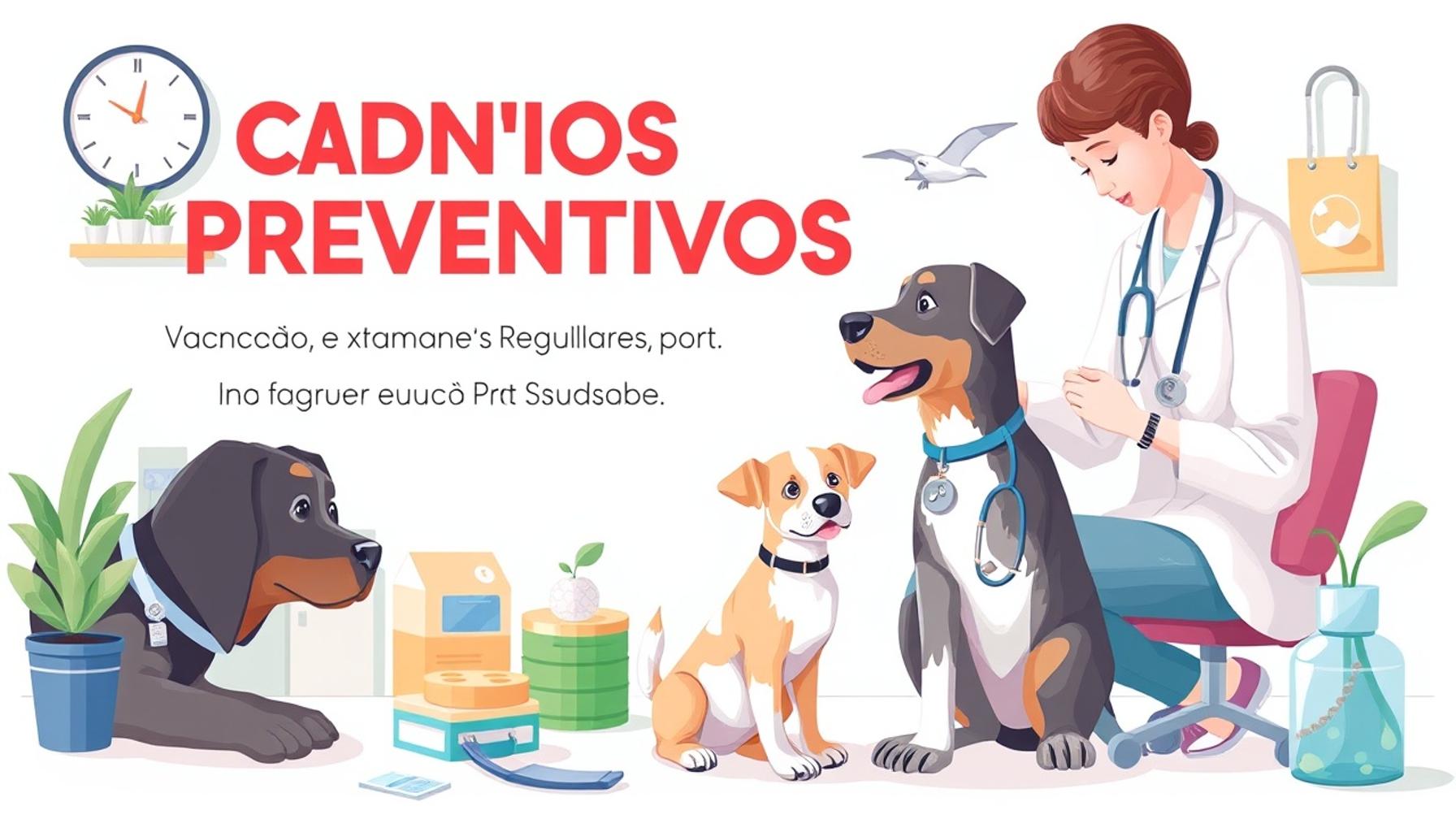
The Significance of Regular Check-ups in Pet Care
Every pet owner desires a long, healthy life for their furry companions. The key lies in preventive care, which primarily consists of vaccinations and regular check-ups. These practices are crucial for early detection and prevention of diseases, ensuring that your pet stays vibrant and active throughout their life.
Regular visits to the veterinarian offer multiple benefits, creating a comprehensive approach to maintaining your pet’s health.
- Health assessments: Routine check-ups allow veterinarians to monitor your pet’s growth, weight, and overall health status. These assessments can identify potential health issues such as obesity, heart disease, and even diabetes before they escalate. For example, a simple blood test during a routine exam can reveal underlying conditions that might otherwise go unnoticed.
- Vaccinations: Keeping your pet up to date with vaccines is essential in preventing the spread of infectious diseases. In the United States, diseases like rabies, parvovirus, and distemper pose serious risks, and vaccination schedules are designed to protect pets at various life stages. For instance, puppies receive a series of vaccinations beginning as early as six weeks, emphasizing the importance of these interventions early in their lives.
- Dental care: Professional cleaning and dental checks are vital as oral diseases are common in pets. According to the American Veterinary Medical Association, 80% of dogs and 70% of cats show signs of dental disease by age three. Regular dental cleanings can help prevent painful conditions and more severe systemic issues that can arise from bacteria entering the bloodstream.
In recent years, the trend toward preventive care has gained momentum in the U.S., with more pet owners recognizing its importance. Studies indicate that pets receiving regular veterinary attention often live longer, healthier lives. For example, a comprehensive study found that dogs who received routine veterinary care lived 20% longer than those who did not, underscoring the impact of preventive measures.
Moreover, understanding the importance of preventive care not only benefits pets but also enhances the bond between pets and their owners. Engaging in these necessary routines—such as scheduling veterinary visits and maintaining vaccination records—establishes a deeper connection based on mutual care and responsibility. The conscious effort to invest time and resources into your pet’s health is a testament to the love and commitment you share, forming the foundation of a balanced and healthy lifestyle for your beloved animal.
In conclusion, preventive care is an indispensable element of pet ownership. By prioritizing regular check-ups, vaccinations, and dental care, you can ensure a brighter and longer future for your furry friends. So, make it a point to consult your veterinarian about the best preventive strategies tailored to your pet’s specific needs and lifestyle.
Understanding Vaccinations: The First Line of Defense
Vaccinations play a pivotal role in preventive care, safeguarding pets against numerous infectious diseases that can compromise their well-being. Pet vaccinations are not just a one-time event; they require an ongoing commitment from pet owners to keep their furry friends protected throughout their lives. Vaccines work by stimulating the immune system, providing protection against diseases without causing illness, and are designed to create a memory in the immune system, ensuring that it can respond effectively to future exposures.
In the United States, there are core vaccinations that every pet should receive, which are recommended by the American Animal Hospital Association (AAHA). These critical vaccines include:
- Rabies: This fatal disease affects both pets and humans. Vaccinating against rabies is not only essential for your pet’s health but is also a legal requirement in many states.
- DHLPP (Distemper, Hepatitis, Leptospirosis, Parvovirus, Parainfluenza): This combination vaccination protects dogs against dangerous and potentially fatal infections.
- FVRCP (Feline Viral Rhinotracheitis, Calicivirus, Panleukopenia): A vital combination vaccine for cats, it protects against severe respiratory and systemic diseases.
- Bordetella: This vaccine helps prevent kennel cough, a highly contagious respiratory infection, which is especially important for pets that socialize with other animals.
Understanding the vaccination schedule is crucial for pet owners. Puppies and kittens typically receive a series of vaccines starting at about six to eight weeks of age, followed by boosters until they reach four months. Adult pets require booster shots, usually on an annual or triennial basis, depending on the vaccine. Keeping records of your pet’s vaccination history is important for compliance with local laws and can be necessary for boarding, traveling, or even for dog parks.
The Preventive Power of Regular Check-ups
While vaccinations are a necessary component of preventive care, they work best in conjunction with regular veterinary check-ups. These visits provide opportunities for comprehensive health assessments and can play a significant role in detecting issues early on. During a routine examination, your veterinarian will:
- Perform physical assessments: Checking your pet’s heart, lungs, and overall body condition can help identify problems before they become serious.
- Administer necessary vaccines: Ensuring your pet stays up to date with their vaccinations during their check-ups is vital.
- Conduct laboratory tests: Blood work and other diagnostics can uncover issues such as kidney dysfunction, diabetes, and infections.
- Provide tailored health advice: Discussing your pet’s diet, exercise regimen, and behavior allows for a customized approach to their overall health.
In summary, vaccinations and regular check-ups create a solid foundation for your pet’s health, making it imperative for pet owners to stay informed and proactive. The combination of preventive care strategies not only enhances the longevity of pets but also fosters a deeper bond between owners and their beloved companions. Taking these measures is a responsible step towards ensuring a bright and healthy future for your furry friends.
Vaccination plays a critical role in protective health for pets, safeguarding them against various infectious diseases that can be serious or even fatal. By ensuring your pet is vaccinated, you not only help them avoid illnesses but also contribute to the welfare of the broader animal population. Vaccines stimulate the immune system, creating a defense against diseases such as rabies, distemper, and parvovirus. Regular updates through booster shots are essential as they reinforce the protective effects of vaccinations.
Regular check-ups go hand-in-hand with vaccinations as part of a comprehensive preventive care plan. During these visits, veterinarians can perform essential assessments, including weight checks, dental exams, and overall health evaluations. This not only helps in identifying potential health issues early but also tailors preventive strategies to fit your pet’s specific needs. For instance, adjustments in diet or lifestyle can be recommended based on your pet’s current health condition. The aim is to catch any concerning symptoms before they escalate, leading to a healthier, happier life for your furry companions.
Moreover, pet owners can take this opportunity to ask questions about their pet’s behavior and dietary recommendations. The importance of preventive care cannot be overstated; it lays the foundation for a long and fulfilling life. Engaging with your veterinarian about the right vaccination schedule and the necessity of routine check-ups allows for personalized care that can significantly improve your pet’s quality of life.
| Category | Advantages |
|---|---|
| Vaccination | Prevents serious diseases and ensures community health by lowering disease spread. |
| Regular Check-ups | Facilitates early detection of health issues and allows for tailored health advice. |
Ultimately, making use of preventive care ensures that your pet not only lives longer but also enjoys a quality of life that can be shared with their beloved owners. Exploring these options with your veterinarian is essential for every proud pet parent.
The Importance of Dental Health in Preventive Care
Another critical facet of preventive care that is often overlooked is dental health. Just as regular check-ups and vaccinations are vital, maintaining your pet’s oral hygiene is essential to their overall well-being. Poor dental care can lead to a plethora of health issues, including periodontal disease, infections, and even systemic illnesses affecting the heart, liver, and kidneys. According to the American Veterinary Medical Association (AVMA), about 80% of dogs and 70% of cats show signs of dental disease by the age of three. This alarming statistic underscores the necessity for pet owners to be proactive in managing their pets’ dental health.
Annual veterinary dental cleanings are recommended, but they may not be enough. Alongside veterinary check-ups, daily dental care routines can significantly enhance your pet’s oral health. These include:
- Regular brushing: Utilize pet-specific toothpaste and brushes to help remove plaque before it hardens into tartar.
- Dental treats and toys: These can aid in reducing plaque and tartar buildup while providing your pet with enjoyable chewing experiences.
- Routine dental examinations: During regular check-ups, your veterinarian will assess your pet’s gums and teeth for any signs of decay or disease.
The incorporation of dental care into your pet’s routine not only promotes a fresher breath but also significantly contributes to their overall health, reinforcing the concept that preventive care encompasses more than just vaccinations and routine check-ups.
Nutrition: The Unsung Hero of Preventive Health
Nutritional needs vary significantly across different breeds, ages, and health statuses, making it imperative for pet owners to consult their veterinarians for tailored dietary recommendations. A balanced diet rich in essential nutrients can bolster your pet’s immune system and reduce the risk of illnesses. Overweight pets, in particular, are more susceptible to conditions like diabetes, joint problems, and heart disease.
Feeding your pet a high-quality, veterinarian-approved diet can make a remarkable difference in their health. Here are some suggestions for ensuring your pet receives the correct nutritional balance:
- Choose age-appropriate food: Puppies, adult dogs, kittens, and senior pets have different nutritional requirements, and their diets should reflect these differences.
- Incorporate variety: A mix of dry, wet, and raw foods can offer a well-rounded diet, ensuring that your pet receives a range of nutrients.
- Monitor weight: Regularly weighing your pet and adjusting their portion sizes keeps them from becoming overweight, thus mitigating health risks.
Pet obesity continues to rise in the United States, with estimates suggesting that over 50% of dogs and cats are overweight or obese. This trend emphasizes the importance of good nutrition as a form of preventive care, making vigilant monitoring of your pet’s diet essential.
Paw-sitive Enrichment for Mental Health
Lastly, mental health is an often-underestimated aspect of preventive care. Engaging your pet in cognitive enrichment activities can protect them from behavioral issues and stress-related disorders. The American Society for the Prevention of Cruelty to Animals (ASPCA) emphasizes that mental stimulation is as crucial as physical exercise.
Activities such as puzzle toys, obedience training, and interactive play not only enhance the pet-owner relationship but also contribute significantly to your pet’s overall health and resilience. Pets require mental challenges to deter boredom and anxiety, both of which can manifest in destructive behavior.
Creating a balanced regimen that incorporates vaccinations, routine check-ups, dental health, nutrition, and mental engagement establishes a comprehensive preventive care approach that addresses all aspects of your pet’s health. By prioritizing these facets, pet owners nourish a vibrant and fulfilling life for their beloved companions.
Conclusion
In the realm of pet ownership, the significance of preventive care cannot be overstated. Regular vaccinations safeguard against contagious diseases, while routine check-ups allow for early detection of health issues, ensuring your furry friends lead longer, happier lives. Moreover, dental health, nutrition, and mental stimulation are essential components often overshadowed by traditional vet visits but equally vital in maintaining your pet’s overall well-being.
As highlighted, an estimated 80% of dogs and 70% of cats show signs of dental disease by just three years of age, emphasizing the importance of a robust dental care routine alongside veterinary visits. Additionally, a tailored nutrition plan reinforces a strong immune system and minimizes the risk of obesity-related complications. The focus on mental enrichment allows pets to thrive emotionally and behaviorally, ultimately fortifying their physical health.
In conclusion, pet owners are encouraged to adopt a holistic approach to preventive care. By prioritizing vaccinations, regular vet visits, dental hygiene, proper nutrition, and mental stimulation, you create a nurturing environment that enhances your pet’s quality of life. Taking these proactive steps not only promotes a healthy, vibrant pet but also deepens the bond between you and your cherished companion. Explore resources and consult with your veterinarian to craft a personalized preventive care plan that aligns with your pet’s unique needs and lifestyle – a commitment that will pay dividends in health and happiness for years to come.

Linda Carter
Linda Carter is a writer and pet care expert specializing in pet health, grooming, and wellness. With extensive experience helping pet owners create safe, loving, and enriching environments for their animals, Linda shares her knowledge on our platform. Her goal is to empower readers with practical advice and strategies to ensure their pets thrive and lead joyful, healthy lives.