How to Adapt Puzzles and Brain Games for All Age Groups
Embracing the Diversity of Puzzle Activities
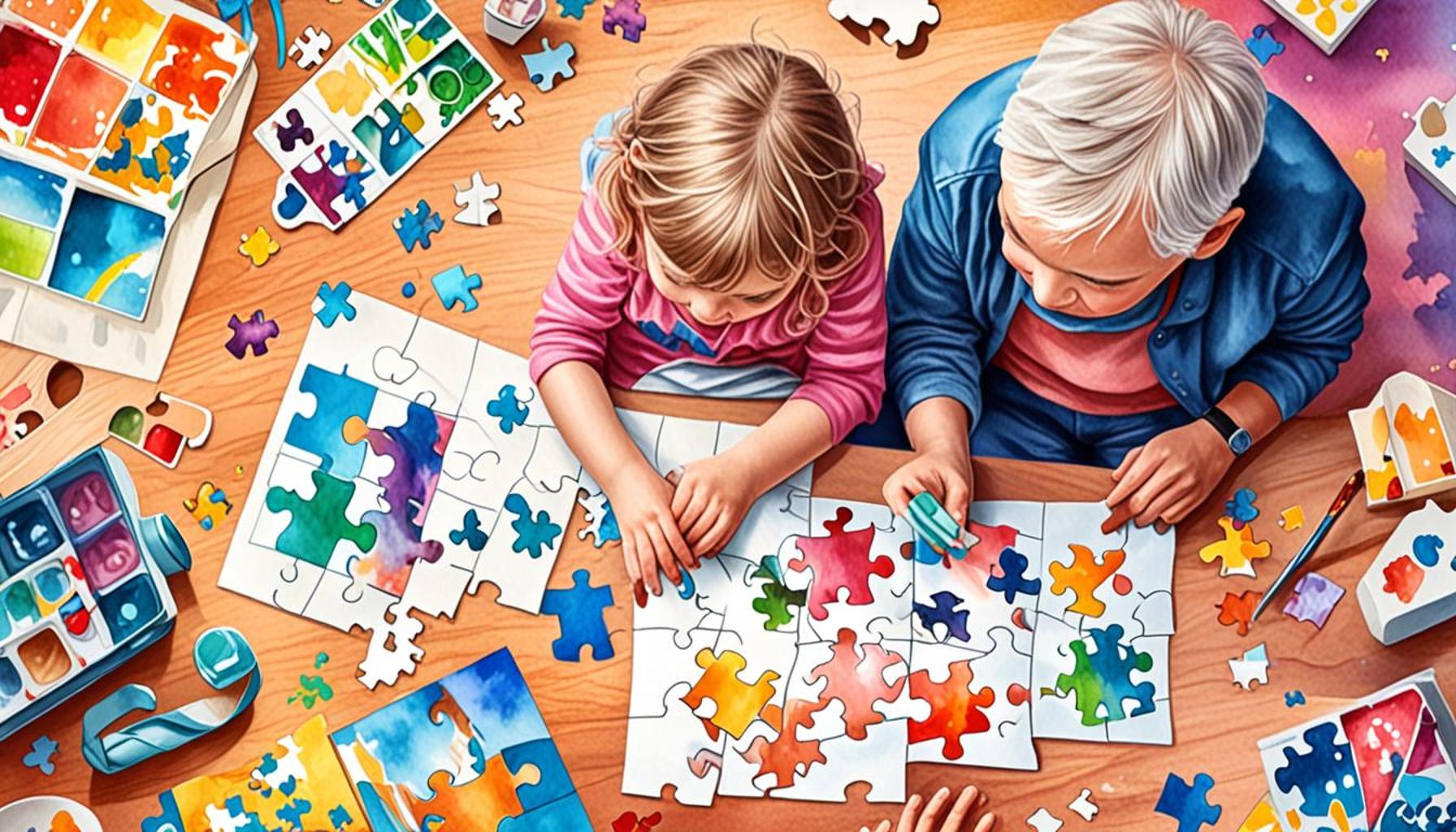
Puzzles and brain games play a vital role in mental growth and creativity, appealing to individuals across various demographics. From children engaging in vibrant jigsaw puzzles to seniors contemplating complex crosswords, these activities provide an enriching experience that sharpens cognitive abilities while enhancing overall well-being. In a world where technologies dominate leisure, adapting puzzles for different age groups presents an exciting opportunity to engage minds of all ages.
Understanding Complexity in Puzzles
When tailoring puzzles, complexity is a fundamental factor to consider. For example, toddlers enjoy colorful shape-sorting puzzles that help them recognize and associate different shapes and colors, laying the foundation for their early learning. In contrast, older adults might gravitate towards more intricate challenges, such as Sudoku or logic puzzles. These types of activities require higher levels of reasoning and can stimulate cognitive functions, proving beneficial for memory care and keeping the mind agile.
Incorporating Themes
Themes can also enhance the appeal of puzzles. Leveraging children’s favorite cartoons, like “Paw Patrol” or “Peppa Pig,” can keep younger audiences captivated as they engage with characters they adore. For adults, puzzles incorporating historical events or famous quotes from literature can encourage not only engagement but also conversation starters during family gatherings. For instance, discussing the significance of the Civil Rights Movement while piecing together a themed jigsaw can lead to enriching dialogue and learning opportunities.
Material Considerations
The choice of materials is another essential aspect in crafting the ideal puzzle experience. Utilizing colorful, tactile materials such as wood or foam for younger children aids in sensory development, making puzzles not just about intellectual engagement but also about tactile stimulation. On the other hand, the tech-savvy senior population may appreciate digital formats of puzzles, available on various apps, which often come with adjustable difficulty levels and social features allowing them to challenge friends and family across distance, fostering connection amidst physical separation.
Building Connections Through Puzzles
Working on puzzles can catalyze social interaction, bridging generational gaps. A family game night filled with various puzzle activities can promote collaboration and teamwork, enhancing communication skills and emotional connections. Whether it is a group assembling a 1000-piece jigsaw puzzle or teaming up on a crossword, the collaborative nature of these games can foster a sense of unity—essential in today’s fast-paced world where family time can often take a backseat.
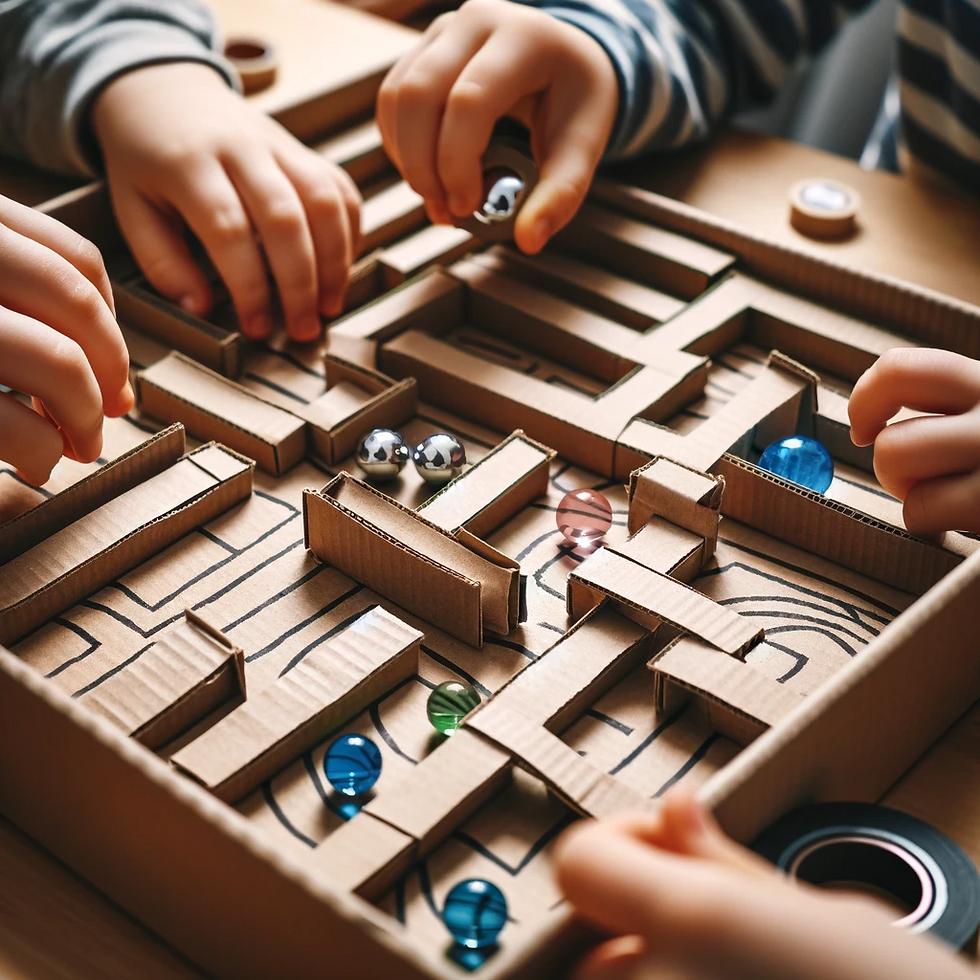
Through this exploration, it’s evident that customizing brain games enriches not just individual enjoyment but also strengthens relationships. By understanding and responding to the distinct needs and preferences of different age groups, we can unlock a treasure trove of engaging experiences, making puzzles an enjoyable and beneficial part of life for everyone. Get ready to dive into a world where fun meets functionality, and watch how simple pieces can bring people together to shape a sharper, more connected future.
CHECK OUT: Click here to explore more
Navigating the Age Spectrum
Adapting puzzles and brain games for all age groups requires an understanding of the diverse cognitive abilities and interests that vary from childhood through adulthood. This journey starts with recognizing the specific stages of mental development. Cognitive skills evolve through various milestones, and aligning puzzles with these developmental stages can enhance their effectiveness and enjoyment.
Age-Specific Cognitive Needs
Children, adolescents, adults, and seniors each have unique cognitive requirements. Understanding these needs can guide how to adapt puzzles effectively:
- Toddlers (Ages 2-4): Focus on simple, colorful puzzles that emphasize basic shapes, sizes, and colors. Engaging sensory elements like sounds or textures can further enhance interest.
- Preschoolers (Ages 4-5): Introduce slightly more complex puzzles, such as those involving basic counting or simple words. Interactive puzzles that can be touched or manipulated help sustain attention.
- School-aged children (Ages 6-12): Encourage problem-solving skills with challenges like jigsaw puzzles and word searches. Puzzles that tie into subjects they are learning at school can be a fantastic way to reinforce knowledge.
- Teenagers (Ages 13-19): This group often seeks challenges. Offer logic puzzles, advanced jigsaw puzzles, or brain teasers that stimulate analytical thinking while allowing for social interaction with peers.
- Adults (Ages 20-64): Adults can benefit from a variety of puzzles, including crosswords, Sudoku, and strategy-based games. These puzzles not only provide entertainment but can also reduce stress and enhance focus.
- Seniors (Ages 65+): For older adults, cognitive health is of utmost importance. Adapt puzzles to be engaging yet manageable, like large print crosswords or digital games that allow for adaptability in difficulty levels. Social aspects, like group puzzles, can also enhance the experience of connection.
Customization and Flexibility
The essence of adapting puzzles lies in their customization. It can be highly beneficial to modify elements such as theme, difficulty, and format. For example, adjusting the number of pieces in a jigsaw puzzle or the complexity of a word search can cater to different skill levels. A puzzle created for seniors, for instance, can use fewer pieces of larger size or simpler themes to encourage problem-solving without overwhelming them.
Flexibility also means embracing various formats that can cater to different preferences and settings. While traditional paper puzzles remain popular, vibrant apps swirl with possibilities that allow users to adjust game difficulty, explore new themes, and even challenge others through digital platforms. In doing so, one can cater to tech-savvy audiences and bridge the generational divide, ensuring everyone can engage with brain games comfortably and confidently.
As we move forward, the journey of adapting puzzles and brain games continues to unfold, presenting new ways to connect through cognitive challenges that are fun, engaging, and enriching for all ages.
How to Adapt Puzzles and Brain Games for All Age Groups
Puzzles and brain games offer cognitive benefits that can be tapped into across various age demographics. From toddlers to seniors, these activities can be customized to suit different skill levels and interests. By making simple adjustments, you can create a fun and engaging experience that stimulates the mind for everyone involved. Below, we present a table that outlines key advantages and adaptable features of puzzles and brain games for diverse age groups.
| Age Group | Advantages |
|---|---|
| Children | Enhances problem-solving skills and creativity. |
| Teenagers | Fosters critical thinking and team collaboration. |
| Adults | Improves memory retention and stress relief. |
| Seniors | Supports mental agility and social interaction. |
By understanding the benefits tailored to age groups, you can better appreciate how these adaptations not only entertain but also contribute to mental health and learning. The goal is to create puzzles and games that ignite curiosity and ensure that everyone – regardless of their age – can enjoy a mentally stimulating experience.
CHECK OUT: Click here to explore more
Creating Inclusive Puzzle Experiences
Creating inclusive puzzle experiences goes beyond mere customization; it involves promoting accessibility and engagement for diverse groups. In our increasingly interconnected world, it’s essential to recognize that age is just one factor influencing puzzle preferences and abilities. Consider other aspects such as cognitive challenges, physical limitations, and varying interests. By addressing these factors, we can provide a more enriching and enjoyable environment for all.
Accessibility in Puzzles and Brain Games
One important consideration is accessibility, particularly for seniors or those with cognitive impairments. Features such as larger text in crosswords and brighter colors in jigsaw puzzles can significantly enhance the experience for visually impaired individuals. Additionally, using thicker pieces can aid those who may struggle with dexterity, making the activity enjoyable rather than frustrating.
Another avenue to explore is the integration of assistive technology. Online puzzles and games often come equipped with options that allow users to adjust settings tailored to their specific needs, such as enhancing contrast or enabling text-to-speech functionality. For instance, adaptive puzzles found on platforms like Lumosity provide real-time feedback and adjust the difficulty based on user performance. This method supports ongoing engagement and encourages cognitive development regardless of age.
Collaborative Puzzle Solving
Puzzles are inherently social. Introducing cooperative challenges can cultivate interactions across age groups. Think along the lines of community puzzle-solving events or online platforms where friends and family can collaborate in real-time, regardless of their geographical locations. This approach fosters social bonds and builds a sense of camaraderie and accomplishment.
Family game nights, for example, can feature multi-generational puzzles, encouraging participation from grandparents and grandchildren alike. One possible adaptation is using theme-based puzzles that cater to a shared interest, such as popular movies or historical events, generating discussion and bonding through shared knowledge. This not only enhances the puzzle-solving experience but also strengthens family connections.
Incorporating Educational Content
One striking way to adapt puzzles across age groups is to incorporate educational content. For younger audiences, basic puzzles can involve math or science concepts subtly woven into fun activities, while adults might enjoy brain teasers that touch on contemporary societal issues or trivia that enhances general knowledge. For example, interactive crossword puzzles that dig into current events can engage adults while also serving as a meaningful conversation starter. As more people embrace lifelong learning, this approach ensures puzzles serve not just as a pastime but also as tools for ongoing education.
Tapping into Interests through Themes
Another facet worth considering is the profound impact of thematic adaptation. Themes can drastically reshape how puzzles are approached. For instance, puzzle themes tailored to hobbies—like gardening, cooking, or local history—can resonate deeply across all ages and capture wider audiences. Themed challenges are not only stimulating but also offer the chance to delve into shared passions, opening up avenues for exploration and discussion.
Moreover, seasonal or celebratory puzzles can generate excitement and involvement, enticing family members to join in activities centered around holidays, vacations, or even local events. With puzzles available that feature everything from Halloween scenes to Christmas landscapes, there is ample opportunity to engage users in a fun yet educational manner.
By fostering inclusivity, accessibility, and educational content within puzzles and games, creators can cultivate a vibrant ecosystem that brings people of all ages together, encouraging them to connect, learn, and engage in a shared experience.
SEE ALSO: Click here to read another article
Conclusion
Adapting puzzles and brain games for all age groups is a vital undertaking that enhances not just individual enjoyment but also promotes inclusivity and intergenerational bonding. By focusing on accessibility, we can create an engaging environment where everyone, regardless of physical or cognitive abilities, can participate. Bigger print, adjustable settings, and adaptive technology are just a few examples of how we can cater to diverse needs.
Moreover, the importance of collaborative puzzle solving cannot be overstated. Through shared experiences—whether during family gatherings or community events—people can strengthen their connections while tackling challenges together. This approach not only enriches the puzzle-solving experience but fosters a mutual appreciation for different perspectives and strategies.
Incorporating educational elements and thematic adaptations further enhances the appeal of puzzles across age groups. By integrating pertinent topics and interests, creators can ignite discussions that are both stimulating and meaningful, making these games more than just a pastime. As we consider the wide array of themes—ranging from pop culture to personal interests—we open up avenues for creativity and learning that resonate with a broad audience.
Ultimately, the objective is to cultivate a vibrant ecosystem around puzzles and brain games that connects, educates, and entertains. In doing so, we embrace a philosophy of lifelong learning and connection, ensuring that puzzles remain a cherished activity for everyone, from toddlers to seniors. By staying aware of the diverse needs and preferences of all age groups, we can foster an inclusive environment where every mind has a chance to play, learn, and grow.