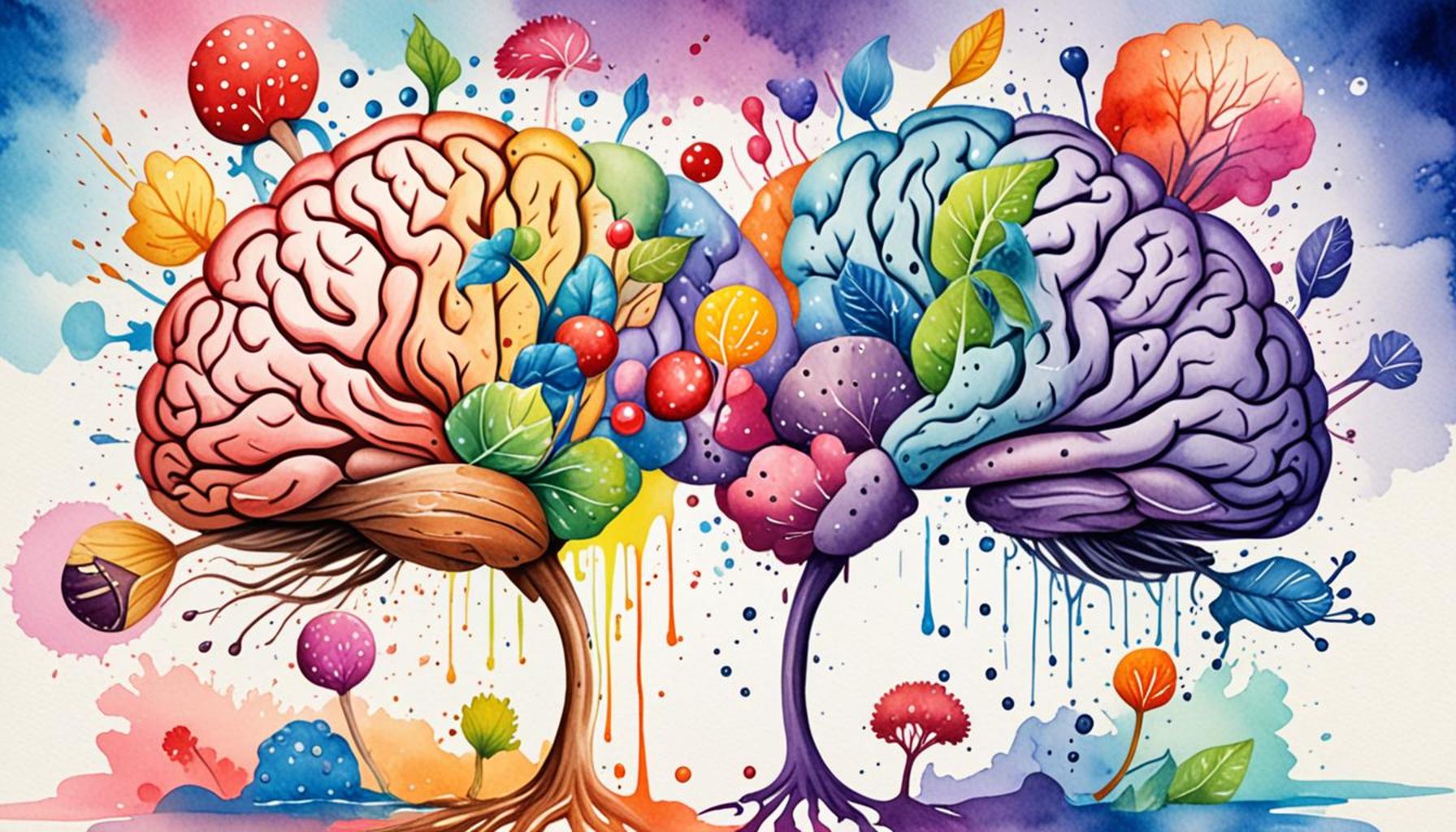
Weekly Cognitive Exercises to Keep Your Mind Sharp and Focused

Unlock Your Mental Potential
The brain, much like a muscle, requires regular exercise to function at its best. Engaging in weekly cognitive exercises can greatly enhance your mental agility and focus. By incorporating simple yet effective activities into your routine, you can keep your mind sharp and combat cognitive decline. Just as you might visit the gym to maintain physical fitness, focusing on brain health can yield impressive results in your overall cognitive performance.
Why Cognitive Exercises Matter
Staying mentally fit is crucial in our fast-paced world. Consider the following benefits:
- Improved Memory: Regular mental workouts can boost your recall ability. Research has shown that activities requiring memorization, like learning a new language or musical instrument, can increase brain connectivity and improve memory retention.
- Enhanced Focus: Exercises can help reduce distractions. Mindfulness practices, for example, have been found to significantly improve attention span and concentration in both children and adults.
- Better Problem-Solving Skills: Engaging in challenges stimulates creative thinking. Puzzles and strategic games require players to think critically, adapting their strategies and solutions as they progress, thereby enhancing cognitive flexibility.
Moreover, studies suggest that consistent cognitive training can reduce the risk of age-related mental decline. This makes investing time each week in your brain health a wise decision. In fact, communities across the United States increasingly recognize the importance of cognitive exercises, often incorporating them into educational programs aimed at various age groups.
Simple Activities to Get Started
Ready to boost your cognitive prowess? Here are a few activities that can easily fit into your weekly schedule:
- Crossword puzzles and sudoku: These classic challenges not only test your knowledge and skill but also improve problem-solving and vocabulary skills. Many local newspapers and online platforms offer daily puzzles to keep your brain engaged.
- Memory games: Engage in playing card matching games or mobile apps designed to improve memory retention. These games can be especially beneficial for older adults looking to maintain sharpness as they age.
- Mindfulness meditation and breathing exercises: Spending just a few minutes each day in meditation can significantly increase focus and reduce stress. Utilizing apps like Headspace or Calm can help you establish a consistent practice.
In the following sections, we will delve deeper into these exercises. You’ll discover not only their benefits but also practical ways to integrate them into your daily life. By making these simple activities part of your routine, you’re not just investing in short-term gains but also in long-term cognitive health.
SEE ALSO: Click here to read another article
Engaging in Cognitive Workouts
Embracing weekly cognitive exercises not only boosts mental sharpness but also plays a vital role in developing a proactive approach to brain health. When you dedicate time each week to engage in activities that challenge and stimulate your mind, the rewards can be extensive. With a myriad of both fun and educational exercises at your disposal, you’ll find it easier to incorporate mental workouts into your busy routine.
The Science Behind Cognitive Training
At the heart of cognitive exercises lies a fascinating body of research. Studies have shown that engaging in various mental challenges leads to measurable improvements in brain function. For instance, a study published in the journal Neuropsychology demonstrated that participants who engaged in regular cognitive training experienced significant gains in processing speed, reasoning abilities, and overall cognitive performance. This speaks volumes regarding the connection between active engagement and mental fitness.
Furthermore, cognitive exercises can enhance neuroplasticity, which is the brain’s ability to reorganize itself by forming new neural connections. This adaptation is essential for learning new skills and retaining knowledge. Engaging in a variety of cognitive activities can create a stimulating environment for your brain, promoting healthy aging and potentially reducing the risk of degenerative diseases later in life.
Variety is the Spice of Life
To keep your mental workouts fresh and engaging, it’s crucial to include a variety of exercises. Here’s a diverse list of activities that can effectively sharpen your mind:
- Reading: Not only does reading fiction improve empathy and understanding, but it also challenges your analytical skills. Set aside time weekly to delve into a new book, whether fiction or non-fiction, broadening your knowledge and imagination.
- Strategic board games: Engaging in games like chess or Settlers of Catan can enhance critical thinking and strategy development. Many communities and schools host game nights that allow you to challenge your friends and meet new people while exercising your cognitive abilities.
- Online brain training programs: Websites and apps such as Lumosity or Peak provide tailored cognitive workouts designed to improve various brain functions. These platforms often track your progress, making it easy to see how far you’ve come.
- Art and creativity: Engaging in artistic activities such as painting, drawing, or even crafting can stimulate different brain paths. Studies have shown that creative pursuits can greatly enhance problem-solving skills and promote a positive mindset.
By incorporating these activities into your weekly schedule, not only are you working towards keeping your mind sharp and focused, but you’re also enriching your everyday life. The key is to mix and match to find what resonates best with you, ensuring that your mental workouts remain stimulating and enjoyable.
| Aspect | Description |
|---|---|
| Enhanced Memory | Regular cognitive exercises such as puzzles and memory games can significantly boost your short-term and long-term memory, helping you retain information more effectively. |
| Mental Agility | Engaging in challenging activities weekly encourages your brain to develop new pathways, enhancing problem-solving skills and mental flexibility. These skills are invaluable in both personal and professional settings. |
Incorporating weekly cognitive exercises into your routine not only promotes mental sharpness but also fosters a sense of accomplishment. Activities like sudoku, crossword puzzles, or even learning a new language stimulate the brain, thereby enhancing overall cognitive functionality. Furthermore, maintaining a diverse range of tasks ensures that different aspects of cognitive processing are challenged, from logical reasoning to creative thinking.A consistent regimen has the added benefit of reducing the risk of cognitive decline as you age. Studies have shown that engaging the brain in these activities is linked to improved resilience against diseases such as Alzheimer’s and dementia. Therefore, making time for these exercises could be one of the most impactful decisions for your brain health. By prioritizing mental fitness, readers not only enhance their focus but also invest in a lifelong strategy for preventing cognitive deterioration.
SEE ALSO: Click here to read another article
Incorporating Mindfulness and Meditation
As we explore the world of weekly cognitive exercises, it’s essential to include practices that foster mental clarity and emotional resilience. One powerful tool in this realm is mindfulness and meditation. Research has repeatedly demonstrated that these practices can significantly enhance cognitive function by reducing stress and anxiety, which are known to hinder mental performance. In a study conducted by Harvard University, participants who engaged in mindfulness meditation for just 30 minutes a day experienced improvements in attention span, working memory, and even emotional regulation.
The Role of Mindfulness in Cognitive Health
Mindfulness exercises typically involve focusing one’s attention on the present moment, a practice that can stimulate the brain’s prefrontal cortex. This area is responsible for complex cognitive behavior, decision-making, and moderating social behavior. When this region is strengthened through mindfulness practices, individuals often report a greater ability to concentrate and think critically. Incorporating techniques such as deep breathing, body scanning, or guided imagery can enhance awareness and self-regulation, making it a valuable addition to your weekly cognitive regimen.
Memory Games and Puzzles: The Fun Factor
In addition to mindful practices, engaging in memory games and puzzles can greatly enhance your cognitive prowess. Activities such as crossword puzzles, Sudoku, and memory card games are not only entertaining but also scientifically proven to boost memory and problem-solving skills. The American Psychological Association (APA) highlights that regularly challenging your brain with these kinds of games can lead to enhanced cognitive reserve, which is beneficial as you age.
- Crossword puzzles: These brain teasers not only engage your vocabulary but also improve your pattern recognition and memory. Make it a weekly habit to solve a crossword puzzle, either solo or with friends, to promote a collaborative and stimulating environment.
- Sudoku: This number placement game is excellent for enhancing logical thinking and pattern recognition. Playing Sudoku regularly can significantly improve your mathematical and analytical skills.
- Jigsaw puzzles: Working on jigsaw puzzles can enhance visual-spatial reasoning and concentration. Aim to complete a new puzzle every week to sharpen your cognitive skills while enjoying a little leisure time.
The incorporation of such memory games can also foster a sense of achievement, making your cognitive exercise routine not just beneficial but genuinely enjoyable. This element of fun creates a positive reinforcement loop, encouraging you to continue challenging your brain.
Cognitive Group Activities
Social interactions also play a crucial role in maintaining cognitive health. Participating in group activities centered around learning or problem-solving can yield exceptional cognitive benefits. Join a book club, partake in trivia nights, or engage in community classes. Such activities encourage teamwork and critical thinking, bolstering your cognitive abilities while mingling with like-minded individuals.
Studies have shown that adults who regularly socialize demonstrate slower cognitive decline compared to their more isolated peers. Engaging in stimulating conversations and working through challenges in a group setting significantly supports cognitive stamina and sharpness.
By integrating mindfulness, memory games, and social cognitive activities into your weekly routine, you can cultivate an enriched mental landscape that promotes both growth and well-being. The possibilities are virtually endless, allowing you to tailor these cognitive exercises to fit your unique lifestyle and interests. As you embark on this journey, remember that the goal is not only to keep your mind sharp but also to enjoy the process of learning and discovery each week.
SEE ALSO: Click here to read another article
Conclusion: Cultivating a Sharp and Focused Mind
Incorporating weekly cognitive exercises into your routine is not just a beneficial endeavor but a transformative one. As we have explored throughout this article, a diverse range of activities—including mindfulness practices, memory games, and social interactions—offer substantial advantages for your cognitive health. By prioritizing mental exercises, you create a foundation for enhanced focus, improved memory, and greater emotional resilience.
The findings from various studies, including those from prestigious institutions like Harvard University and the American Psychological Association, underscore the importance of these practices in combating cognitive decline. Engaging in activities such as crossword puzzles, Sudoku, and community learning fosters not only individual growth but also a sense of belonging through social engagement. Such interactions stimulate critical thinking and collaboration, key components to maintaining a vibrant mind.
Additionally, as you embark on this journey, remember that the most effective cognitive exercises are those that resonate with your personal interests and lifestyle. The blend of challenge and enjoyment you experience while engaging in these activities creates an enriching environment where learning flourishes.
Ultimately, the goal is to foster a lifelong commitment to mental agility. By dedicating time each week to these stimulating exercises, you empower yourself to navigate life with a sharper, more focused mind, ready to tackle challenges and discover new horizons. Embrace the journey of cognitive exploration, and take the first step today towards a more vibrant and agile brain.