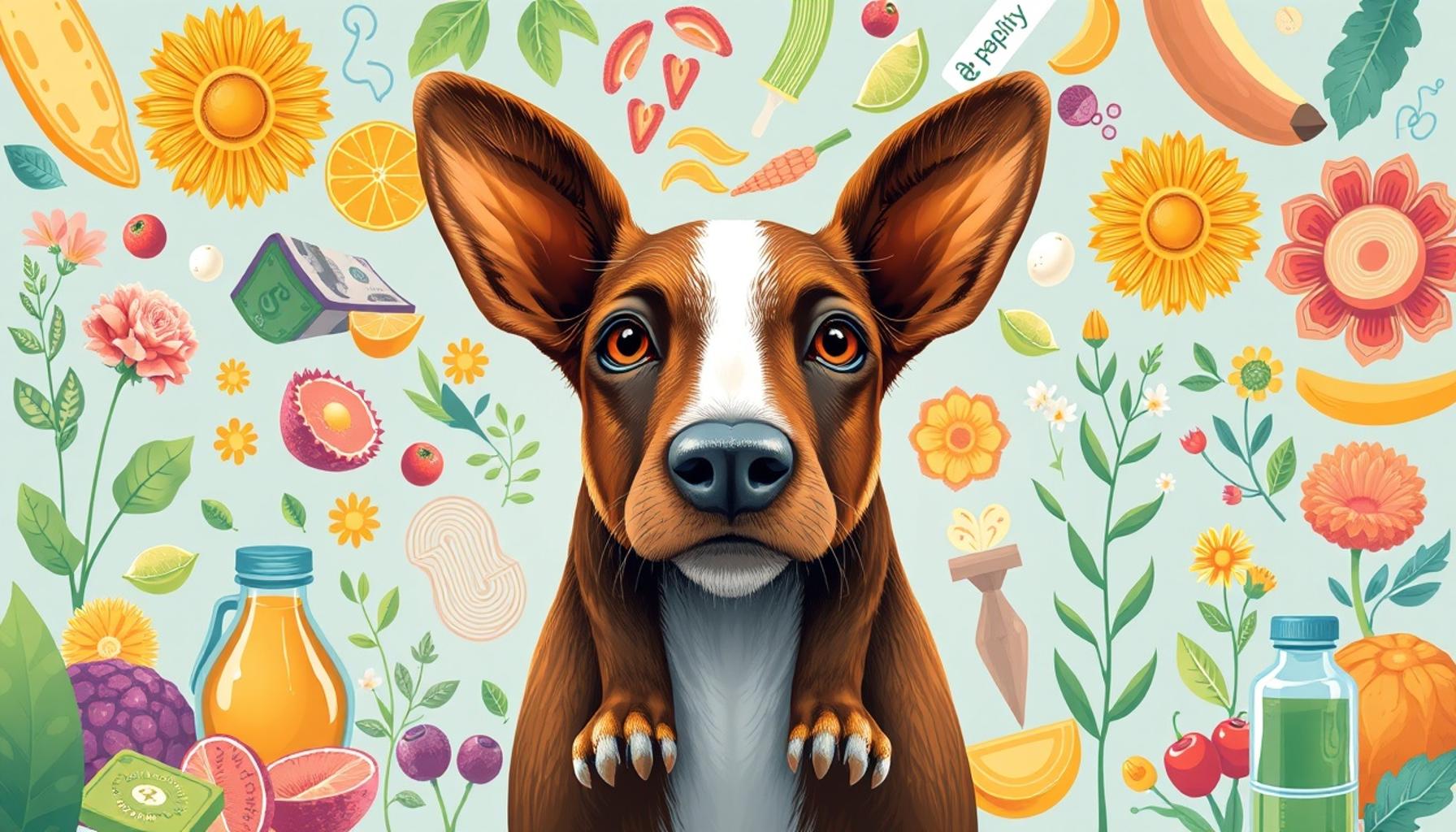

Understanding the Impact of Nutrition on Pet Health
Pet owners often overlook the significant role that nutrition plays in their furry companions’ overall well-being. Just like humans, pets require a balanced diet to thrive and ward off various health issues. With the right nutritional choices, pet parents can foster a healthier lifestyle for their animals.
Common Diseases Prevented by Proper Nutrition
Nutrition can be a powerful ally in preventing common diseases in pets, including:
- Obesity: This is a growing concern for pets across the United States, with an estimated 56% of dogs and 60% of cats classified as overweight or obese. A balanced diet rich in nutrients and controlled portions helps maintain a healthy weight and prevent obesity-related conditions such as joint problems and reduced mobility.
- Diabetes: Just like in humans, diabetes in pets can lead to serious complications if not managed properly. A carefully structured diet that regulates carbohydrate intake helps maintain stable blood sugar levels. Families with pets diagnosed with diabetes often need to switch to high-fiber, low-fat foods to manage their furry friends’ conditions effectively.
- Heart Disease: The health of your pet’s heart is paramount. Diets enriched with omega-3 fatty acids, found in fish oil and certain fatty fish, can help reduce inflammation and support heart health. Regular nutritional evaluations can help detect potential dietary deficiencies early, allowing for timely intervention.
- Kidney Disease: Proper nutrition is crucial for maintaining kidney function, especially in aging pets. High-quality proteins and a diet low in phosphorus can greatly benefit pets diagnosed with renal issues, improving their quality of life.
- Dental Issues: Pets are not immune to dental problems, which can lead to pain and infection. Certain diets, such as dry kibble designed for oral health, can help reduce plaque buildup and tartar formation. Regular dental check-ups remain essential, but a good diet can be an effective preventive measure.
Not only does good nutrition enhance longevity, it also promotes a vibrant quality of life. It is heartening to note that as more pet owners in the United States become aware of these benefits, the demand for high-quality pet foods is increasing. For example, brands that focus on whole ingredients and avoid fillers like corn or soy are gaining popularity due to a growing understanding of animal nutrition.
Understanding the link between nutrition and disease prevention is the first step in ensuring a happy, healthy pet. By taking the time to learn about the dietary needs specific to their pets’ species, breed, and age, owners can make informed decisions about nutrition that can impact their pets’ health outcomes in profound ways.
In the following sections, we will delve deeper into the specifics of how to choose the right diet for your pet and provide practical tips for maintaining their health through nutrition. The journey to optimal pet health begins with understanding and embracing the vital role nutrition plays in their daily lives.
The Role of Specific Nutrients in Pet Health
When examining the relationship between nutrition and pet health, it’s crucial to recognize that not all foods are created equal. The inclusion of specific nutrients can significantly influence a pet’s resistance to diseases. Each nutrient plays a unique role in maintaining not only health but also vitality and longevity.
Essential Nutrients for Disease Prevention
Understanding the essential nutrients and their roles can aid pet owners in making more informed decisions about their pet’s diets. Here are some key nutrients that play a pivotal role in preventing common diseases:
- Proteins: High-quality proteins are fundamental for growth, maintenance, and repair of body tissues. For pets, especially those that are growing or recovering from illness, adequate protein intake supports muscle development and immune function. A protein-rich diet can also help pets maintain a healthy weight, which is critical in avoiding obesity-related complications.
- Carbohydrates: Although sometimes viewed as unnecessary, carbohydrates provide essential energy for pets. Choosing complex carbohydrates, such as whole grains and vegetables, can ensure steady energy levels and prevent spikes in blood sugar, which is beneficial for diabetic pets.
- Fats: Healthy fats, particularly omega-3 and omega-6 fatty acids, are vital for reducing inflammation and ensuring optimal skin and coat health. These fats are essential in protecting cardiovascular health and supporting cognitive function, especially in older pets. One should consider incorporating fish oil or flaxseed oil into their pet’s diet to enhance these benefits.
- Vitamins and Minerals: A balanced diet rich in vitamins (such as A, D, E, and B-complex) and minerals (like calcium and phosphorus) prevents deficiencies that could lead to serious health issues. For cats and dogs, Vitamins A and E act as antioxidants, combating free radicals that can lead to chronic diseases.
- Fiber: Fiber is invaluable for maintaining digestive health. A diet that includes adequate fiber aids in bowel regularity and helps prevent obesity by promoting satiety. Additionally, high-fiber diets can play a role in managing diabetes by regulating glucose absorption.
With a proper understanding of these essential nutrients, pet owners can tailor their companions’ diets to not only meet their basic needs but also to foster resilience against ailments. It’s worth noting that, according to the Association for Pet Obesity Prevention, the right dietary choices can diminish the likelihood of various chronic diseases, promoting a better quality of life for pets.
As pet owners begin to explore the benefits of specialized nutrition, it’s essential to remember that consulting with a veterinarian is vital. They can guide pet owners in selecting a diet that best matches their pet’s individual requirements, taking into account their age, breed, activity level, and any pre-existing conditions. Nutrition is a powerful tool and, when wielded correctly, can dramatically improve a pet’s health and happiness.
| Nutritional Components | Health Benefits |
|---|---|
| Omega-3 Fatty Acids | Heart Health: Reduces inflammation, lowering the risk of heart disease. |
| Antioxidants | Disease Prevention: Protects cells from damage, which can prevent cancer and other chronic diseases. |
| Probiotics | Digestive Health: Promotes a healthy gut microbiome, crucial for overall wellbeing. |
| Vitamins & Minerals | Bone & Joint Health: Supports proper growth and maintenance of pets’ skeletal systems. |
Proper nutrition for pets can play a pivotal role in warding off common ailments such as obesity, diabetes, and renal disease. Tailoring their diets to include beneficial nutrients is not just a culinary choice; it’s a health imperative. By incorporating components like Omega-3 fatty acids, pet owners can notably improve their furry friends’ heart health. Similarly, antioxidants serve as a frontline defense against cellular damage, potentially staving off chronic diseases including cancer. Moreover, the inclusion of probiotics can enhance digestive health, contributing significantly to your pet’s overall wellness. Vitamins and minerals offer critical support for joint and bone integrity, crucial as pets age or if they are predisposed to specific conditions. It’s essential to foster awareness of how conscious dietary choices positively influence long-term pet health. Exploring these elements not only enhances your pet’s quality of life but also strengthens the bond between you and your cherished companion.
Understanding Pet-Specific Dietary Needs
While the importance of basic nutrients can’t be overstated, the diets for differing species, breeds, and life stages also require careful consideration. Just as humans respond differently to various foods, pets exhibit unique dietary needs that can greatly influence their overall health and disease prevention.
Tailoring Diets for Life Stages
Pets of different ages require distinct nutritional profiles to support their health. Puppies and kittens, for instance, thrive on diets rich in calories and protein to fuel their rapid growth. Conversely, senior pets often need diets lower in calories but higher in fiber and specific nutrients that support joint health, such as glucosamine and chondroitin. Failing to meet these needs can lead to growth deficiencies in young animals or obesity and degenerative diseases in older pets.
Research indicates that senior dogs benefit significantly from diets supplemented with antioxidants, which improve immune functions and combat cellular breakdown associated with aging. For instance, the incorporation of blueberries and spinach into a senior dog’s diet could offer essential vitamins and minerals, enhancing cognitive function and overall vitality.
Breed-Specific Requirements
Just like age, breed can also dictate nutritional needs. Large breed dogs, such as Great Danes and Labradors, have a predisposition to certain health disorders, including hip dysplasia and obesity. Adequate calcium and phosphorous intake is necessary during their growth phase, while monitored caloric intake is crucial to prevent excessive weight gain. On the other hand, small breed dogs may require higher energy concentrations in their food due to their higher metabolism.
Cats, being obligate carnivores, necessitate a higher protein intake compared to dogs, and certain breeds may have specific dietary restrictions, such as Himalayan cats’ susceptibility to obesity. Providing a balanced diet tailored to each breed can prevent a host of diseases including diabetes, heart disease, and even arthritis.
Addressing Allergies and Sensitivities
Food allergies and sensitivities are common among pets and can often lead to chronic health issues such as skin infections, gastrointestinal problems, and urinary conditions. A diet free from common allergens, such as wheat or soy, can alleviate these conditions. Veterinary nutritionists frequently recommend a limited-ingredient diet for pets with such sensitivities, ensuring they’re not only avoiding triggers but also receiving a balanced range of nutrients.
Furthermore, the rise in popularity of specialized diets, such as grain-free options or those enriched with probiotics, represents a growing awareness among pet owners of the importance of diet in disease prevention. Probiotics can enhance gut health, bolstering the immune system and affecting skin health positively, while also aiding in the prevention of inflammatory bowel disease in susceptible pets.
As advances in veterinary nutrition continue to evolve, pet owners are encouraged to stay informed and adaptable concerning their pets’ dietary needs. Nutrition is not just about fulfilling hunger; it’s a proactive step in safeguarding the health and well-being of our beloved companions. By being attentive to specific needs and trends, pet owners can shape a healthier future for their pets.
Conclusion
In the world of pet care, nutrition stands out as a foundational pillar in the quest to prevent common diseases. With an increasing understanding of our pets’ specific dietary needs based on factors such as age, breed, and health status, pet owners can make informed choices that support their animal companions’ longevity and vitality. Tailoring a pet’s diet not only aids in their growth and development but can also mitigate risks for serious conditions such as diabetes, obesity, and arthritis.
Moreover, the move towards recognizing food allergies and sensitivities has allowed for more personalized nutritional plans, providing pets with relief from chronic ailments and enhancing their overall quality of life. The incorporation of specialized diets, including options enriched with probiotics or antioxidants, reflects a significant shift in the understanding of how diet can influence health.
Ultimately, informed dietary choices are a proactive step every pet owner can take towards disease prevention. As research in veterinary nutrition continues to expand, the importance of staying informed will only grow. By investing time in learning about optimal nutrition for their pets, owners can ensure their beloved companions enjoy a healthier, happier life. The journey to a healthier pet starts on their plate—consider what you feed today as a safeguard against the diseases of tomorrow.