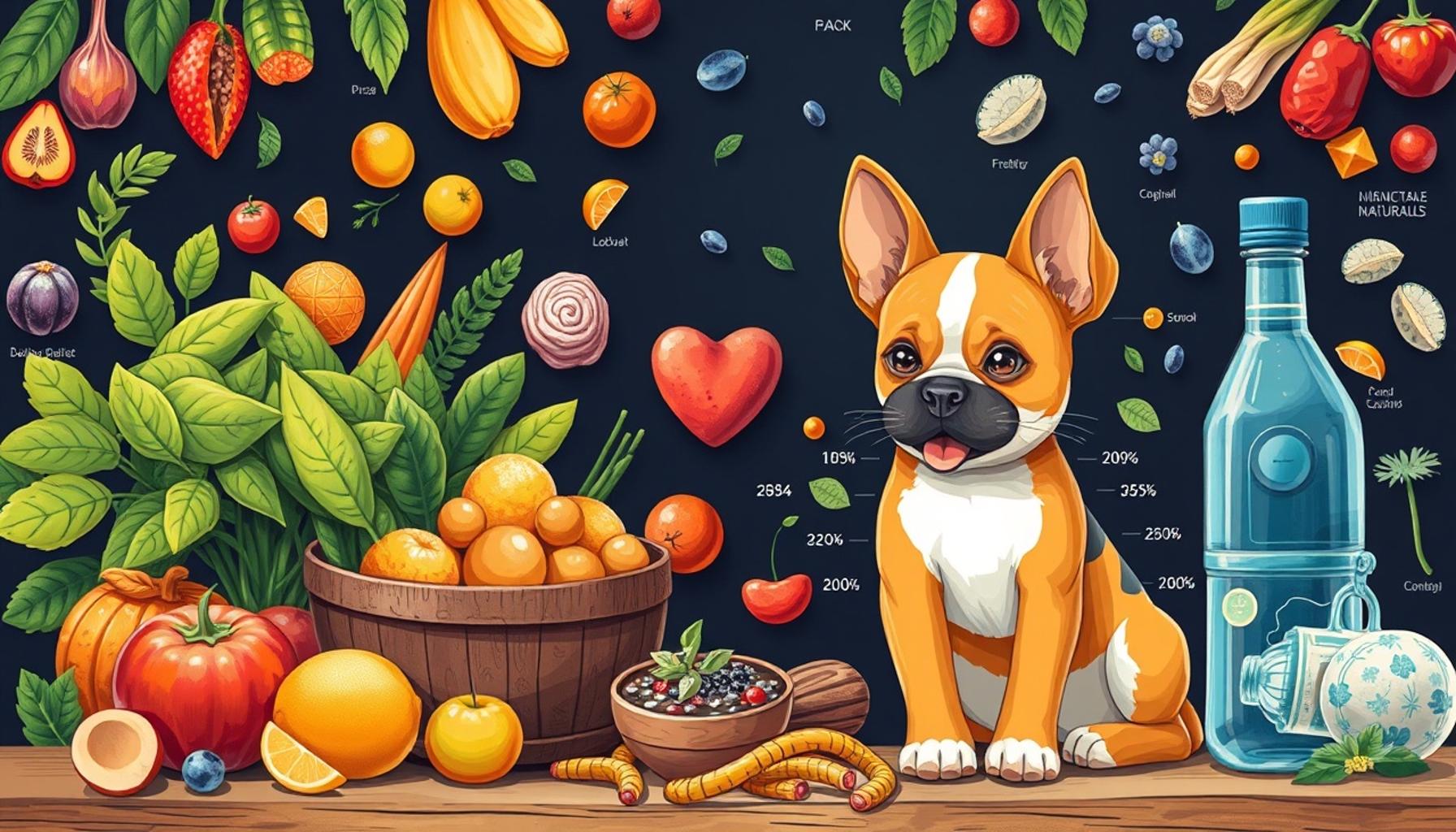
Trends in Natural Diets for Pets: What You Need to Know
The Rise of Natural Diets for Pets
As the bond between humans and their pets continues to deepen, the awareness surrounding proper pet nutrition is expanding at an unprecedented rate. Pet owners are now becoming increasingly cognizant of the specific dietary needs of their animals, leading to a surge in the popularity of natural diets. This shift reflects a broader commitment to pet health and wellness, altering our perspective on what constitutes proper sustenance for our furry companions.
Whole Ingredients: The Foundation of Nutrition
One of the most significant trends in pet nutrition is the emphasis on whole ingredients. Pet foods are abandoning artificial additives and fillers in favor of unprocessed components. For example, high-quality brands are now incorporating fresh meats, vegetables, and healthy fats into their formulations. This focus on whole foods helps ensure that pets receive essential nutrients, such as proteins, vitamins, and minerals, which contribute to their overall well-being.
Exploring Raw Diets
The concept of raw diets has gained traction among pet owners looking to mimic a more natural way of feeding that draws inspiration from ancestral eating habits. Proponents argue that feeding pets uncooked meats, fruits, and vegetables aligns more closely with their evolutionary diets. Advocates emphasize that raw feeding can improve coat condition, dental health, and even lower the risk of certain diseases. However, it’s important for pet owners to approach raw diets with caution, ensuring food safety and proper nutritional balance through research or consultation with veterinary professionals.
The Shift to Grain-Free Options
Another notable trend is the increasing availability and consumption of grain-free options. Many pet owners are opting for grain-free products to avoid potential allergens and address digestive issues in pets, particularly dogs and cats with sensitivities. Grain-free formulations often utilize alternative carbohydrate sources such as sweet potatoes and lentils, providing energy without the risks associated with grains. However, it is vital to note that the effectiveness and necessity of grain-free diets remain a topic of debate among veterinary nutritionists.
The Health Benefits of Natural Diets
Various studies and anecdotal evidence suggest that adopting a natural pet diet can significantly impact health outcomes. Many owners report improved health and increased longevity in their pets after transitioning to a more natural diet. Additionally, pets often exhibit enhanced energy levels, reflecting changes in their overall vitality. The shift to a diet composed of natural ingredients typically results in better digestion as well, with pets experiencing less gastrointestinal upset and more consistent bowel movements.
Navigating the World of Pet Nutrition
As the natural diet movement for pets continues to evolve, understanding the available options becomes crucial for conscientious pet owners. A variety of products and preparation methods are available, each impacting a pet’s well-being differently. It is essential to research the benefits and potential drawbacks of each dietary choice, taking into consideration the specific needs of your pet and consulting with a veterinarian when necessary. Exploring this fascinating frontier of pet nutrition can help ensure that our beloved companions thrive, leading to a healthier, more active life.
Understanding the Natural Diet Movement
As pet owners become more invested in the well-being of their animals, the natural diet movement garners attention not just for its health benefits but also for its commitment to quality sourcing. This growing trend goes beyond mere fads, encapsulating a fundamental shift in how pet nutrition is perceived and implemented. This shift prompts pet owners to rethink their purchases, focusing on the integrity and transparency of the ingredients that comprise their pets’ meals.
Transparency in Pet Food Labeling
One key aspect driving the rise of natural diets is the demand for transparency in pet food labeling. Today’s consumers are not satisfied with just any product; they require detailed information on sourcing and nutritional value. This has led to many pet food companies stepping up their game by providing clearer content descriptions, sourcing stories, and certifications that align with the natural food movement. Consequently, pet owners are becoming more educated about what they feed, transforming shopping trips into moments for informed choices. High-quality brands are now frequently highlighting:
- Ingredient sourcing: Many brands are disclosing where their proteins and produce come from, ensuring ethical and sustainable practices.
- Quality assurance certifications: Labels such as “human-grade” or “organic” are becoming more common, giving consumers confidence in the products they choose.
- Specific health claims: Brands are listing precise health benefits, whether it be “supports joint health” or “promotes skin and coat health,” allowing owners to select diets catering to their pets’ individual needs.
Customized Nutrition: The Future of Pet Diets
Another exciting trend in natural diets for pets is the advent of customized nutrition. Advances in technology and our understanding of pet health have made it possible for pet food companies to offer tailored meal plans that cater to the unique dietary requirements of individual animals. Factors such as breed, age, activity level, and health conditions are being considered like never before. This personalized approach not only enhances dietary compliance but also fosters better health outcomes. Some notable features include:
- Personalized meal plans: Many brands now offer subscriptions where the ideal food mix is tailored to a pet’s specific dietary needs.
- In-home testing kits: A few companies provide kits that evaluate a pet’s nutritional status, allowing for adjustments to their diet based on clinical data.
- Online consultations: Pet owners can consult with veterinarians and nutritionists to create a bespoke diet plan that meets their pet’s lifestyle and health requirements.
Environmental Considerations in Pet Diets
The trend toward natural diets also reflects a broader awareness of environmental sustainability. Many pet owners are seeking options that minimize their ecological footprint, leading to an increased interest in plant-based protein sources and responsibly sourced animal proteins. Companies are exploring ways to create environmentally-friendly dog and cat food that aligns with sustainable farming practices. This not only benefits pets but also contributes positively to the planet. In response to this growing demand, brands are actively researching alternative protein sources such as:
- Insects: Sustainable protein options derived from insects are gaining traction, providing a nutritious alternative with a much lower environmental impact.
- Plant-based proteins: Ingredients such as peas, chickpeas, and quinoa are being incorporated into formulas, catering to both health-conscious and environmentally-aware consumers.
- Regenerative agriculture: Some brands prioritize products made from animals raised using sustainable, regenerative methods that promote biodiversity and soil health.
As the natural diet movement evolves, staying informed about these trends and their implications for pet health is essential for any responsible pet owner. Knowing what to look for and understanding how these changes can benefit your furry friend will make all the difference in their journey toward better nutrition.
| Advantage | Description |
|---|---|
| Natural Ingredients | Pet owners are increasingly seeking diets that feature all-natural ingredients, free from preservatives and artificial additives. |
| Health Benefits | Natural diets can lead to improved digestive health, better skin and coat condition, and enhanced overall vitality in pets. |
As natural diets for pets become a vital discussion in the pet care industry, many owners are prioritizing transparency in ingredients and sourcing. This movement is driven by an increasing awareness of the benefits of feeding pets diets akin to their ancestral eating habits.Natural diets often boast higher nutrient density compared to conventional pet foods. Ingredients like real meats, whole grains, vegetables, and fruits are making their way to pet bowls, aligning with the evolving definition of a well-balanced diet. Moreover, with an uptick in allergies among pets, many owners are turning to natural foods that help mitigate allergic reactions, which synthetic options might exacerbate.In terms of digestibility, natural diets typically enable efficient processing in pets’ digestive systems. As a result, waste elimination can become more optimal, further contributing to a pet’s overall health. The focus on real food has not just sparked a revolution in pet nutrition, but it’s also fostering a deeper accountability among pet food manufacturers to provide quality products.Trends like “fresh food delivery” and “homemade pet meals” are gaining traction as busy owners seek convenient yet nutritious solutions. These alternatives not only enhance the pet’s experience but also provide owners with peace of mind regarding what goes into their beloved companions’ diets. With their myriad benefits, it’s clear that the natural food movement is not just a passing fad but a well-founded shift in how we nurture our pets. This is an emerging space ripe for exploration, as pet owners look for the healthiest, most effective options available today.
The Role of Raw Diets in Pet Nutrition
One of the most talked-about aspects of the natural diet movement is the increasing interest in raw diets for pets. Advocates claim that a raw food regimen can closely mimic the ancestral diets of dogs and cats, providing superior nutrition for today’s domesticated animals. Raw diets typically consist of uncooked meat, organs, bones, and sometimes fruits and vegetables. Proponents argue that this approach not only enhances digestion but also leads to healthier skin and brighter coats. However, raw feeding also comes with its challenges and considerations:
- Health risks: Feeding raw food can pose a risk of bacterial contamination, such as Salmonella or E. coli, both for pets and humans handling the food.
- Nutritional balance: Ensuring that a raw diet is properly balanced requires careful planning; improper mixes can lead to deficiencies or excesses in essential nutrients.
- Veterinary guidance: Consulting with a veterinarian experienced in pet nutrition is highly recommended before switching to a raw diet to ensure the transition is safe and beneficial.
Many pet owners are now gradually introducing raw components into their pets’ diets, termed “raw-light” or “fresh food” diets. These mixtures often combine commercially prepared raw meals with traditional dry or canned food to strike a balance between convenience and natural nutrition.
Grain-Free and Alternative Grains
The grain-free trend has also become prominent in the realm of natural pet diets. Many pet owners have turned to formulations that exclude traditional grains like wheat and corn, believing them to be less digestible for their pets. Instead, they opt for alternatives such as sweet potatoes, potatoes, or grains like quinoa and oats. This shift is partially driven by concerns regarding food allergies and sensitivities. However, it is vital to stay informed about potential nutritional pitfalls:
- Heart health concerns: Recent studies have implicated certain grain-free diets in increasing the risk of canine dilated cardiomyopathy (DCM), raising questions about the safety of prolonged use.
- Quality over absence: Simply eliminating grains does not guarantee a nutritious diet. It is essential to prioritize high-quality protein sources and a balanced nutrient profile.
- Informed choices: Pet owners should consult with their veterinarian prior to making significant changes, particularly if they suspect allergies or sensitivities.
Functional Foods: The New Frontier in Pet Nutrition
Another emerging trend is the incorporation of functional foods—ingredients boasting health benefits beyond basic nutrition—into pet diets. These foods align with the natural diet ethos by supporting the overall well-being of pets. Popular functional ingredients include:
- Probiotics: Beneficial bacteria can support gut health and improve digestion.
- Antioxidants: Ingredients like blueberries or spinach are rich in antioxidants, which can help combat oxidative stress and aging.
- Omega fatty acids: Foods rich in omega-3 and omega-6 fatty acids promote healthy skin and coat as well as reduce inflammation.
As awareness of the role of functional foods grows, brands are increasingly marketing products that contain these beneficial ingredients, making it easier for pet owners to select diets tailored to their pets’ health needs.
While the landscape of natural diets for pets continues to evolve, staying on top of these trends can aid pet owners in making informed decisions that not only satisfy their furry companions but also promote a healthier lifestyle. With innovations in meal personalization, transparency in sourcing, raw diets, alternative grains, and functional foods, the journey toward optimal pet nutrition offers exciting possibilities.
Conclusion: Embracing the Future of Pet Nutrition
As pet owners increasingly turn to natural diets for their furry friends, understanding the current trends in pet nutrition becomes crucial. From the rise of raw diets that attempt to replicate ancestral eating practices, to the growing interest in grain-free alternatives and functional foods, it is clear that a significant shift is occurring in how we feed our pets. These diets not only aim to improve health and vitality but also align with the dietary preferences of owners looking for transparency and quality.
However, the dynamic nature of pet nutrition demands a cautious approach. While the promise of enhanced health through raw feeding or grain-free options can be appealing, potential risks and nutritional imbalances warrant careful consideration. It’s imperative for pet owners to stay informed about the latest research and consult with veterinary professionals when making dietary changes.
By staying attuned to these evolving trends in natural pet diets, owners can make choices that are not only beneficial for their pets’ well-being but also align with a broader vision of health and sustainability. Educating oneself on the nuances of nutrition and remaining flexible in adapting to new information will pave the way for a happier, healthier life for our beloved companions. As the conversation on pet diets continues to grow, now is the perfect time for pet owners to decode the answers to what their pets truly need and embrace the array of options available in the market today.

Linda Carter
Linda Carter is a writer and pet care expert specializing in pet health, grooming, and wellness. With extensive experience helping pet owners create safe, loving, and enriching environments for their animals, Linda shares her knowledge on our platform. Her goal is to empower readers with practical advice and strategies to ensure their pets thrive and lead joyful, healthy lives.