How to Create a Safe and Stimulating Environment for Pets at Home
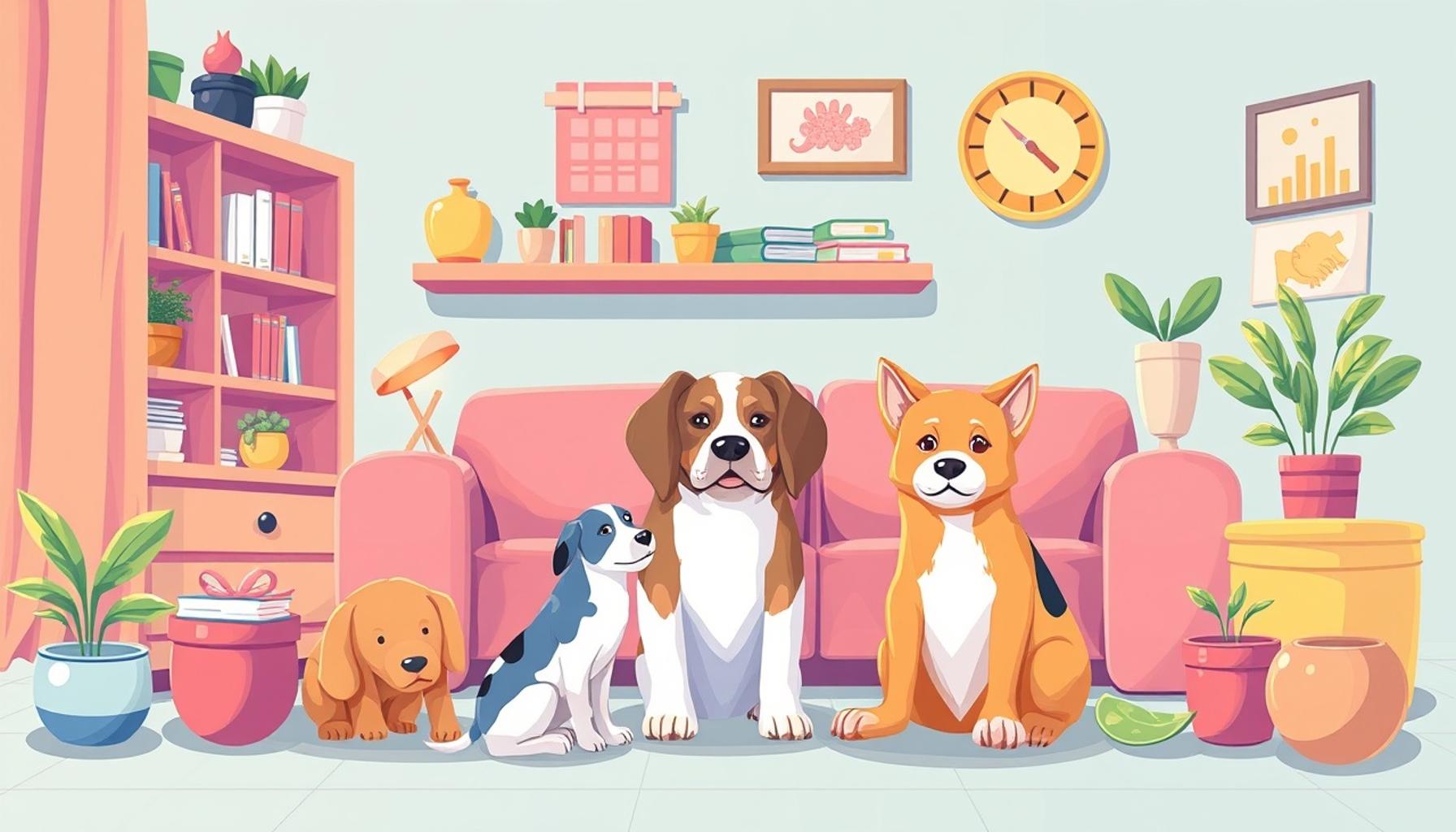
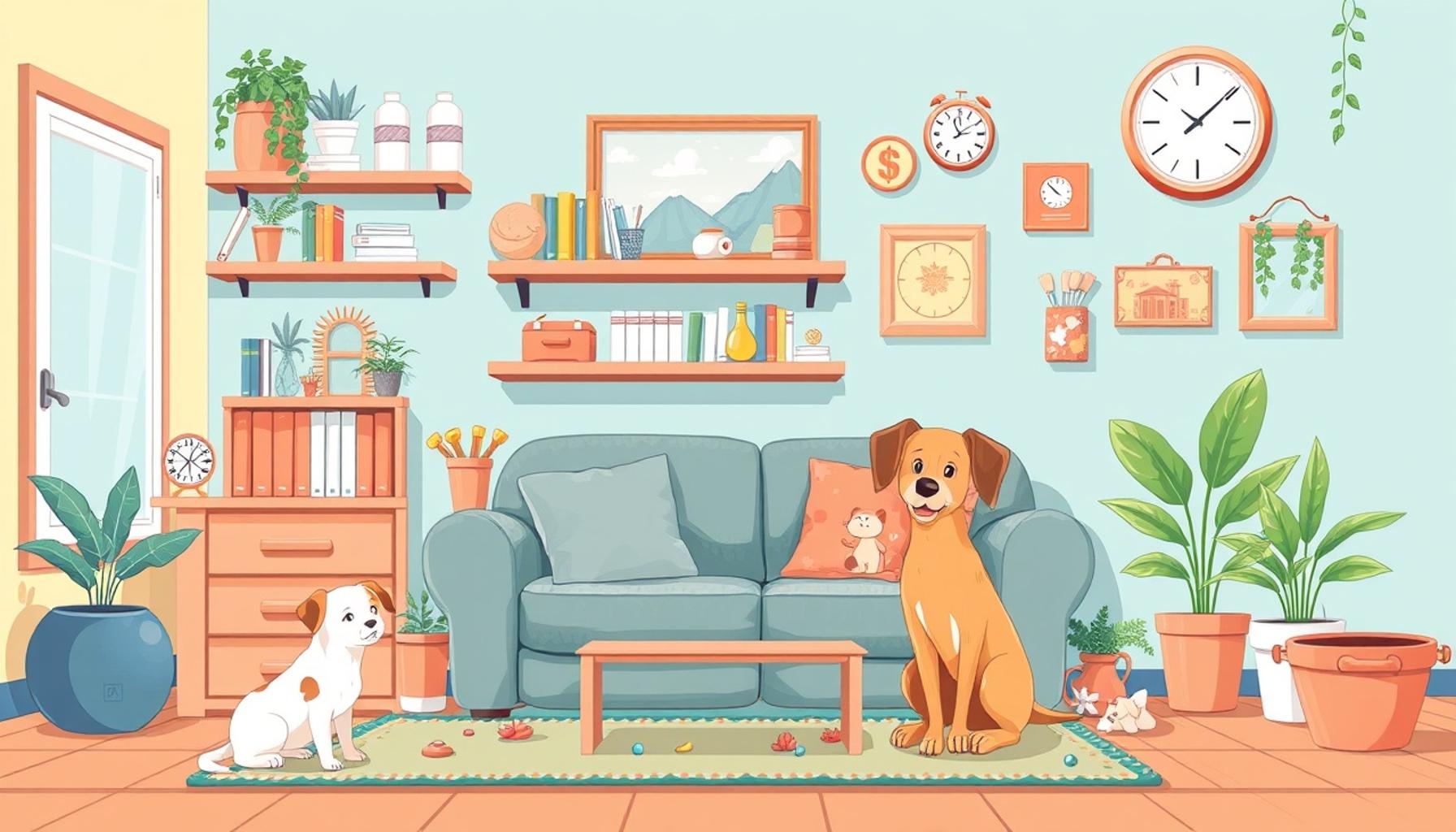
Every pet owner desires a home where their furry friends can thrive. A safe and stimulating environment not only enhances their well-being but also fosters a positive bond between you and your pet. There are several essential steps to ensure your home becomes a harmonious sanctuary for your beloved companions.
Key Elements to Consider
To create an optimal living space for pets, attention to detail is crucial. Here are some features to incorporate into your pet-friendly home:
- Safety: One of the fundamental aspects of a pet-friendly space is safety. Secure hazardous materials such as cleaning products, medications, and small objects that can be swallowed. Installing baby gates can effectively manage access to restricted areas like kitchens or stairs, which can pose hazards. Moreover, consider incorporating non-toxic plants into your decor. Common household plants, such as lilies and sago palms, can be toxic to pets, so it’s critical to choose safer alternatives like spider plants and Boston ferns.
- Comfort: Every pet deserves their own cozy corner. Providing soft, comfortable bedding materials is vital for their relaxation, so consider options that suit their size and breed. Designated feeding areas should be created, preferably in a quiet part of the home to minimize distractions. Additionally, ensure there’s good air circulation and ventilation, especially in warmer months, to maintain an appropriate indoor climate for your furry companions.
- Stimulation: Pets thrive on mental and physical stimulation. Incorporate an array of toys, as well as interactive games that appeal to their natural instincts. For dogs, puzzle toys that dispense treats can keep them engaged, while cats may benefit from climbing structures or scratching posts to satisfy their climbing instincts and keep their claws healthy. Regular new experiences, such as rotating toys or introducing new games, can prevent boredom and keep their minds sharp.
Understanding Your Pet’s Needs
Each pet has unique requirements driven by their species, breed, and personality. Recognizing these needs allows you to tailor your home environment accordingly. Consider the following factors:
- Activity Level: High-energy pets, like Border Collies and Jack Russell Terriers, need ample space to expend their energy, preferably with access to an outdoor area where they can run and play. On the other hand, more sedentary pets, such as bulldogs or older cats, may prefer a calm, quiet space to relax, with comfortable resting spots and minimal disturbances.
- Sensitivity: Some pets may be anxious in noisy environments due to fireworks, thunderstorms, or even household commotion. Creating a quiet refuge where they can retreat during stressful times is essential. Consider providing calming music or pheromone diffusers in such instances. Utilizing soundproofing techniques or soft furnishings, like thick curtains, can also absorb noise and create a tranquil atmosphere.
By prioritizing their safety and stimulation, you’re not just providing a house; you are crafting a home where your pets can flourish. Transforming your living space into a pet-friendly paradise requires dedication, understanding, and a touch of creativity. Both you and your pets will benefit from a secure and engaging environment, leading to a happier and healthier life together. Explore further resources and guides on pet care to keep enhancing your furry friends’ living experience.
Creating a Safe Haven for Your Pets
When it comes to pet safety, homes can harbor hidden dangers that may go unnoticed by even the most vigilant owners. To prevent accidents, it’s key to assess your living space from a pet’s perspective. Start by identifying common hazards: electrical cords, choking hazards, and toxic household items are just a few examples. Consider using cord covers to protect those electrics and store small items out of your pet’s reach.
Furthermore, outdoor access must be monitored. If you have a backyard, ensure that the fencing is sturdy and that there are no gaps or weak points where a curious pet could escape. Regularly inspect your yard for poisonous plants, sharp tools, or any debris that could pose a risk. You might be surprised to learn that many common plants, like azaleas and oleanders, are toxic to animals but are frequently found in American gardens.
Creating Comfort Zones
Beyond safety, comfort plays a pivotal role in creating a nurturing environment. Every pet has specific needs regarding their sleeping and resting areas. For example, dogs appreciate a designated spot where they can curl up after a long day of play, while cats often prefer elevated spaces for their naps to satisfy their natural instinct to be in high places.
- Designated Sleeping Areas: Consider investing in high-quality pet beds that offer adequate support based on your pet’s size and age. Senior pets may require orthopedic beds, while puppies or kittens may benefit from softer, plush options.
- Feeding Stations: Choose a calm area for feeding that minimizes distractions. Smooth surfaces are easier to clean, so consider placing feeding mats under bowls to catch spills and prevent messes.
- Personal Space: Create a comfortable retreat for your pet equipped with blankets or toys. This can be particularly helpful during times of stress, as pets will appreciate having a quiet place to unwind.
In addition, consider the layout of your home. Ensuring your pet has space to roam without the risk of tripping over furniture is essential. High-traffic areas, like hallways or near doors, should be free of obstacles to prevent accidents. By taking the time to design a comfortable space, you’re fostering an environment that promotes peace and relaxation.
Engaging Their Senses
An enriching environment that stimulates your pet’s senses is equally crucial. Animals are naturally curious and benefit from exposure to various sights, sounds, and textures. This is where creativity comes into play. Use colorful toys that stimulate their visual senses, and consider incorporating scratching posts for tactile engagement with a variety of textures.
Furthermore, take advantage of interactive play. Regularly engaging your pets with games can significantly enhance their mental health. Toys that dispense treats or require problem-solving help build their cognitive skills while keeping them entertained. By investing time in their playtime, you empower them to explore and satisfy their natural instincts.
In conclusion, establishing a safe and stimulating environment for your pets requires a proactive approach. It involves understanding their unique needs, both in comfort and safety, as well as engaging their senses through enriching play. By doing this, you not only create a home where they can thrive but also strengthen the bond between you and your furry friends.
Creating a safe and stimulating environment for pets at home is essential for their well-being. Here are some effective strategies to ensure both safety and mental engagement for your furry friends.Firstly, consider your home’s layout. Remove any potential hazards such as toxic houseplants, sharp objects, or small items that a pet might swallow. Baby gates can help secure areas that you want to keep off-limits, while non-slip rugs can prevent accidents on slippery floors. Additionally, create a cozy corner filled with comfy pillows or a soft blanket where your pet can retreat for relaxation and safety.Next, introduce various forms of entertainment. Interactive toys, puzzle feeders, and training games can stimulate your pet’s mind, helping to reduce boredom and destructive behavior. Engaging with pets through regular playtime can also strengthen your bond. For dogs, consider fetch or tug-of-war, while cats may enjoy feather wands or laser pointers. It’s crucial to rotate toys regularly to keep them novel and exciting.Incorporating vertical space is another excellent strategy for cats. Cat trees or shelves can provide a vantage point for your feline, satisfying their natural climbing instincts. Dogs, too, benefit from designated areas where they can explore or relax. Outdoor dog runs or secure yards allow for safe outdoor play, which is important for exercise and mental stimulation.Training is an invaluable aspect of creating a stimulating environment. Positive reinforcement training sessions not only educate your pet on good behaviors but also engage their minds. Consider teaching them new tricks, commands, or even agility training, which can be fun for both you and your pet.Finally, ensure that your environment accommodates the natural behaviors of your pets. For instance, scratching posts are essential for cats to maintain their claws and mark territory, while chew toys are vital for dogs to satisfy their chewing instincts.In conclusion, by removing hazards, providing entertainment, fostering training, and accommodating natural behaviors, you can create a home that nurtures the health, happiness, and safety of your pets. This holistic approach fosters a vibrant and engaging environment that both you and your beloved animals will thrive in.
Incorporating Sensory Exploration
To truly cater to your pet’s innate curiosity and sensory needs, it’s essential to incorporate elements that promote sensory exploration. Engaging their sense of smell, sight, and sound not only keeps them entertained but also enhances their overall well-being. For example, dogs are particularly driven by their sense of smell, so consider adding a scent station in your home. This can be as simple as placing various items with different scents (like herbs or spices) in a contained area where they can explore safely. Not only will it keep their sense of smell stimulated, but it can also serve as a fun and engaging activity for them.
In addition, offer variety in sound experiences. Playing background music or nature sounds can create a calming atmosphere for pets, particularly those that are anxious or easily startled. Alternatively, you might introduce pet-safe sound toys that squeak or make rustling noises to engage them during play. Sounds contribute heavily to their experiences and can help reduce boredom and stress.
Physical Activity: The Heart of Engagement
A safe and stimulating environment must also cater to your pet’s physical activity needs. Regular exercise is crucial for maintaining healthy body weight and mental sharpness. Aim for at least 30 minutes of structured activity each day, which could include fetch for dogs or interactive play sessions with laser pointers for cats. Another beneficial approach is creating an indoor obstacle course using household items, such as cushions to navigate around or tunnels made from cardboard boxes. These courses challenge your pet’s agility and encourage them to think critically while having fun.
- Daily Walks: Don’t underestimate the importance of daily walks. For dogs, this routine offers physical exercise, and the opportunity to explore new scents and sounds enhances their mental stimulation.
- Playdates: Socialization is vital for many pets. Arranging playdates with other friendly pets can help them expend energy and enhance their social skills in a safe environment.
- Puzzle Toys: When activities outside may not be feasible, a variety of interactive puzzle toys can significantly help. These toys challenge pets’ problem-solving abilities and provide the reward of a treat for extra motivation.
Moreover, setting aside dedicated time for mental exercises, such as teaching new tricks or commands, consistently strengthens the bond between you and your pet. Using positive reinforcement techniques—treats and praise—creates a mutually beneficial activity that rewards their efforts while reinforcing your authority in a positive way.
Examining Environmental Enrichment
It’s important to acknowledge the broader aspect of enriching your pet’s environment. This goes beyond toys and activities; the overall layout and functionality of your home play a significant role. For instance, consider integrating climbing shelves or perches if you own a cat, as they thrive in vertical spaces. Additionally, various pet-friendly furniture designs can offer both comfort and functionality, allowing you to maintain a stylish home while ensuring your pet’s needs are met.
Choosing pet-safe materials in your home can also enhance their experience. Look for carpets and flooring that are easy to clean and won’t trap odors, as well as furniture fabrics that are resistant to damage. Providing easy-to-access water and feeding stations around your home encourages hydration and regular feeding, critical components of a pet’s daily routine.
Incorporating these strategies into your living space maximizes both safety and stimulation, creating a well-rounded environment that nurtures your pet’s physical, mental, and emotional health. The ultimate goal is to develop an environment that not only keeps your pets safe but also allows them to thrive full of vitality and joy.
Creating a Sanctuary for Your Pets
In conclusion, establishing a safe and stimulating environment for your pets at home is essential for their happiness and well-being. By taking into account sensory enrichment, physical activity, and thoughtful environmental design, you can ensure your pets thrive in their daily lives. Introducing scent stations, engaging sounds, and interactive play systems encourages exploration and mitigates boredom, while regular exercise routines promote a healthy lifestyle.
Equally important is to enhance your home’s layout to accommodate pet needs, integrating climbing structures for cats and sturdy furniture for larger animals, ensuring their comfort. Opting for pet-safe materials further improves your home environment, making it both functional and stylish. Regularly mixing up toys, engaging in new activities, and encouraging social interaction through playdates not only keeps your pets entertained but also strengthens the bond of trust and companionship between you and your furry friends.
Ultimately, the key to creating a safe haven lies in being attentive to your pet’s individual preferences and behaviors while fostering a nurturing atmosphere that celebrates their instinctual needs. Investing time and resources into their environment is not just a luxury; it’s a fundamental part of responsible pet ownership. Your commitment ensures that your beloved animals live a joyful, enriched life, and in return, they will undoubtedly enrich your life with their love and companionship.

Linda Carter
Linda Carter is a writer and pet care expert specializing in pet health, grooming, and wellness. With extensive experience helping pet owners create safe, loving, and enriching environments for their animals, Linda shares her knowledge on our platform. Her goal is to empower readers with practical advice and strategies to ensure their pets thrive and lead joyful, healthy lives.