
How to Prepare Your Pet for a Safe and Comfortable Trip
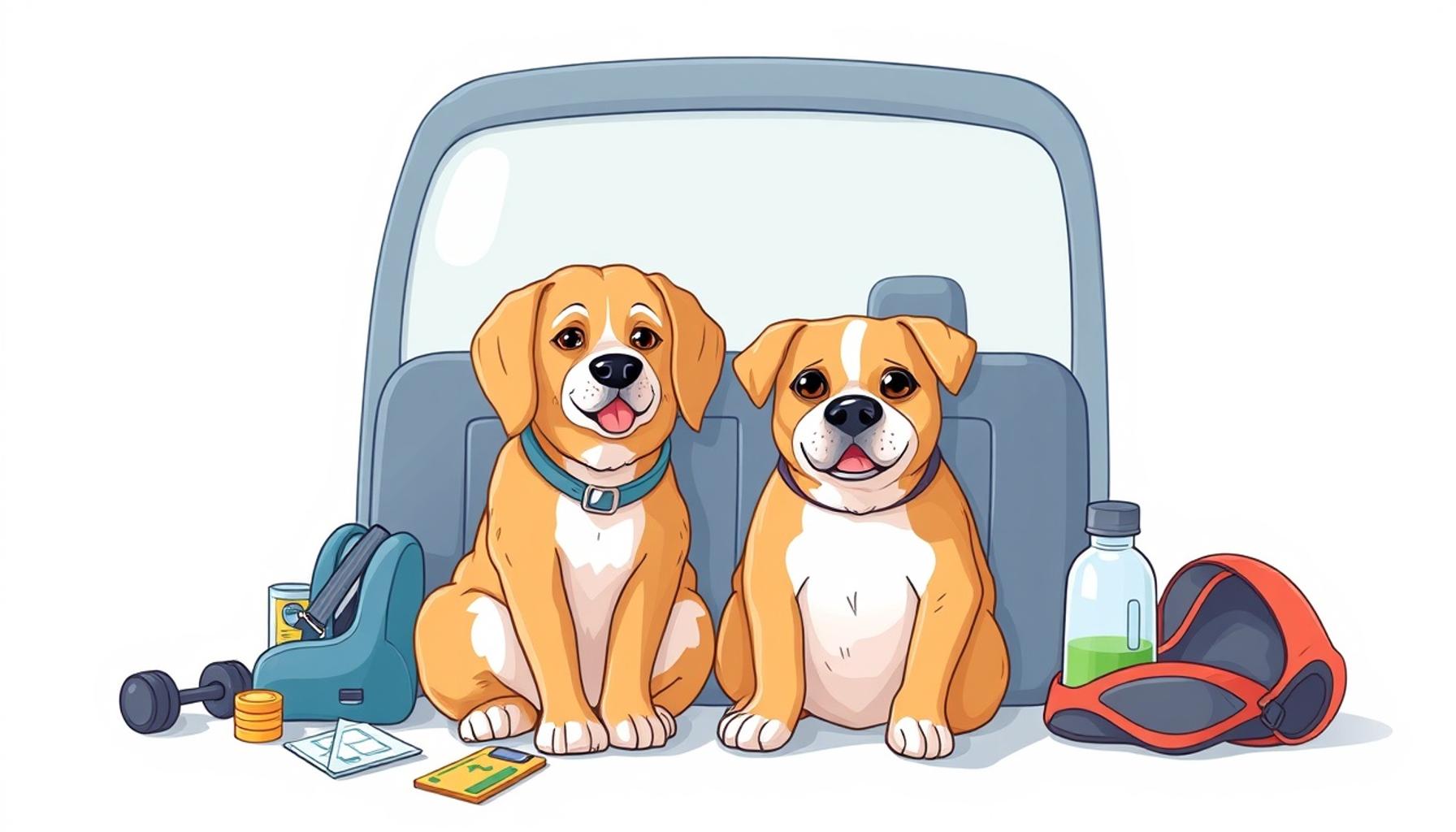
Planning for Pet-Friendly Travel
Traveling with your furry companions can be an exciting adventure. However, ensuring their safety and comfort throughout the journey should always be your top priority. A little preparation can go a long way in preventing stress for both you and your pet.
Before embarking on your journey, it’s essential to take specific steps to safeguard your pet’s health and happiness. A crucial first measure is to schedule a vet visit prior to your travels. During this check-up, ensure that your pet is healthy and up-to-date on vaccinations. This is particularly important if you plan to visit different states or regions, as certain areas may have specific health requirements for pets. For instance, traveling to Florida might entail ensuring your dog is vaccinated against the leptospirosis virus, due to its prevalence in the warm climate.
In addition to health checks, identification is critical. Beyond a collar and ID tag, consider microchipping your pet. This small yet significant device can greatly increase the chances of your pet being returned should they become lost. Statistically, microchipped pets are more likely to reunite with their owners compared to those without. Each year, thousands of pets go missing while traveling, making the need for identification essential.
To improve your pet’s travel experience, pack comfort items that remind them of home. Bringing along their favorite blanket, bed, or toy can provide much-needed comfort during unfamiliar journeys. It’s not uncommon for pets to feel anxious during travel, especially in noisy environments like cars and airports; these items can help soothe them. In addition, packing natural calming aids—like calming treats or pheromone sprays—can further alleviate anxiety and create a more subdued atmosphere.
Understanding Your Destination
Researching your destination is equally crucial. Be on the lookout for pet-friendly accommodations. Many hotels and resorts now cater to pets, offering amenities such as dog parks, pet-sitting services, or even special treats at check-in. Websites like BringFido and Airbnb allow you to filter accommodations by pet-friendliness and read reviews from other pet owners.
Another important aspect to consider is the availability of local veterinary services. You never know when a situation may arise that warrants a vet’s attention, so having the contact information of a nearby clinic can be lifesaving. Also, look into local regulations regarding pets in public spaces and attractions—some parks or establishments may have specific guidelines.
Preparing for a trip involves more than just assembling your luggage; it requires a consideration of how to facilitate a seamless experience for your pet. Your effort will enhance their experience and contribute to a memorable journey filled with joy and adventure. Every pet is unique, so take the time to assess your furry friend’s specific needs, ensuring they feel secure and comfortable every step of the way.
Essential Health and Safety Preparations
Before you hit the road with your furry friend, ensuring your pet’s health and safety is paramount. One of the first critical steps is to schedule a visit to your veterinarian. This check-up serves not only to confirm that your pet is in optimal health but also to address any potential health issues that could arise during travel. Discuss necessary vaccinations, especially if you plan to visit unique ecosystems or areas with different wildlife. For instance, certain regions might necessitate vaccinations against diseases such as Lyme disease or rabies, which vary significantly across the United States.
In addition to vaccinations, it’s important to inquire about preventative medications. If you’re heading to a location with a high risk of ticks or fleas, talk to your veterinarian about appropriate flea and tick prevention. Medications for motion sickness may also be necessary for pets prone to travel anxiety.
Once your pet is cleared by the vet, focus on the logistics of travel. While you may be familiar with the route, your pet is not. Consider practicing short trips with your pet leading up to your travel date. This will help acclimatize them to the experience of being in a vehicle or crate. Each successful trip can build confidence and reduce anxiety on the actual travel day.
Creating a Travel Kit for Your Pet
Preparing a comprehensive travel kit can ensure that your pet’s needs are met while on the move. Include the following essential items:
- Water and food: Bring enough of your pet’s usual diet to last the entirety of your trip, along with a portable water dish.
- Leash and harness: This will keep your pet safe and secure during stops.
- Medications: Pack any required medications along with clear instructions for dosage and schedules.
- First-aid supplies: Keep a basic first-aid kit that includes bandages, antiseptic wipes, and any other items specific to your pet’s needs.
- Waste disposal supplies: Don’t forget bags for picking up after your pet and a portable litter box if you’re traveling with a cat.
A well-prepared travel kit will make your journey smoother and minimize stress. With the right tools at your disposal, you can focus on enjoying the adventure instead of scrambling to find your pet’s essentials.
Remember, understanding your pet’s individual needs does not stop with health and safety checks. Keep the mental and emotional well-being of your pet in mind. Taking the time to prepare adequately will ensure a safer and more enjoyable trip for both you and your beloved companion.
| Category | Description |
|---|---|
| Pre-Travel Vet Visit | Ensure your pet is healthy and up-to-date on vaccinations; this is essential for safe trips. |
| Comfortable Travel Gear | Harnesses, travel crates, and blankets that create a familiar atmosphere can ease anxiety during the journey. |
| Hydration and Nutrition | Bringing portable water bowls and your pet’s favorite snacks ensures they remain comfortable and healthy while traveling. |
| Exercise Breaks | Schedule regular stops for your pet to relieve themselves and stretch their legs; this helps reduce anxiety and pent-up energy. |
As you embark on your trip with your beloved pet, prioritizing their health and comfort is paramount. A pre-travel veterinary visit ensures that your furry friend is fit for travel, and also helps prevent any health complications that might arise en route. Equally important is investing in comfortable travel gear, such as harnesses and travel crates, which can prevent anxiety and create a sense of familiarity.Staying hydrated is essential during travel. Always carry a portable water bowl and your pet’s favorite snacks, as hydration and nutrition can greatly influence their well-being. Don’t forget to plan for exercise breaks at regular intervals. This not only allows your pet to relieve themselves but also provides them with the opportunity to decompress, stretching and playing to shake off any nervous energy.Adhering to these practices will not only broaden your pet’s comfort and health but also enhance the overall journey experience for both of you.
Understanding Your Pet’s Travel Environment
Once you have ensured your pet’s health and compiled a travel kit, it’s essential to consider the environment your pet will be exposed to during your trip. This aspect can greatly influence their comfort and behavior. For instance, if you’re traveling by car, take into account the temperature inside the vehicle. Pets can suffer from heatstroke in hot weather, so never leave them unattended in a parked car, even for a short time.
Make use of vehicle accessories designed specifically for pet safety, such as car harnesses or pet seat covers. These can reduce distractions while driving and provide reassurance that your pet is secure. Furthermore, ensure the travel area is properly ventilated and free of any choking hazards. If traveling by plane, familiarize yourself with the pet travel policies of your airline, as regulations can vary significantly.
Acclimating Your Pet to New Settings
New environments can be overwhelming for pets. To mitigate this, start by introducing your pet to different surroundings prior to the trip. Take them on visits to local parks or friends’ houses to help them adjust to new environments. You may also want to bring along a favorite blanket or toy to give your pet a sense of familiarity in unfamiliar locations.
If you are staying at a new lodging, like a hotel or a rental property, consider pet-friendly accommodations. Research shows that not all hotels accommodate pets kindly, so checking reviews and pet policies is important. When you arrive, take your pet on a tour of the space, including outdoor areas, so they feel more at ease.
Ensuring a Routine During Travel
Maintaining a regular schedule for meals, potty breaks, and playtime can ease anxiety and create a sense of stability for your pet while traveling. Try to adhere to your pet’s typical feeding routine as closely as possible, as abrupt changes in diet can lead to gastrointestinal issues.
- Feeding Times: Feed them during their usual meal times and in familiar portions.
- Bathroom Breaks: Schedule frequent stops to allow your pet adequate opportunity to relieve themselves, especially during long road trips.
- Exercise: Incorporate playtime and walks into your travel itinerary to keep your pet active and content.
Additionally, consider booking pet-friendly activities along the way. Many destinations now provide pet-friendly attractions, ranging from parks to beaches, ensuring both you and your pet can enjoy the journey together. Apps and websites dedicated to pet travel can offer a wealth of information on pet-friendly locales.
Lastly, remember that your demeanor significantly influences your pet’s state of mind. Keep a calm attitude, redirect any trepidation, and provide lots of encouragement during the trip. Your efforts in preparing both physically and emotionally will go a long way toward ensuring that your pet’s trip is not only safe but also enjoyable.
Conclusion
Preparing your pet for a safe and comfortable trip involves multiple layers of planning, from maintaining their health and understanding the travel environment to creating a routine that alleviates anxiety. By focusing on your pet’s specific needs and preferences, you can transform travel from a stressful ordeal into a delightful adventure for both you and your furry friend.
Evaluating the transportation options and ensuring your pet is secure is crucial. Whether you’re hitting the road or flying high, knowing the regulations and choosing the right safety gear will make all the difference. Don’t forget the importance of acclimating your pet to new settings to minimize stress. Introducing them to varied environments can be a game-changer in enhancing their comfort level.
Moreover, sticking to a routine for meals and exercise creates an anchor that pets can rely on amidst the hustle of new experiences. This consistency can help maintain their well-being during the journey, reducing the chances of fussiness and discomfort. As you embark on this journey together, consider engaging in pet-friendly activities at your destination to further enrich your experience.
Ultimately, your calm demeanor can set the tone for the trip. Show your pet the love and support they need, and you both will savor the joy of exploration. With thoughtful preparation, your pet will not only travel safely but also enjoy the journey, creating memories that will last a lifetime.

Linda Carter
Linda Carter is a writer and pet care expert specializing in pet health, grooming, and wellness. With extensive experience helping pet owners create safe, loving, and enriching environments for their animals, Linda shares her knowledge on our platform. Her goal is to empower readers with practical advice and strategies to ensure their pets thrive and lead joyful, healthy lives.