The Benefits of Animal-Assisted Therapy in People’s Lives and Pet Health
The Essence of Animal-Assisted Therapy in Modern Healing
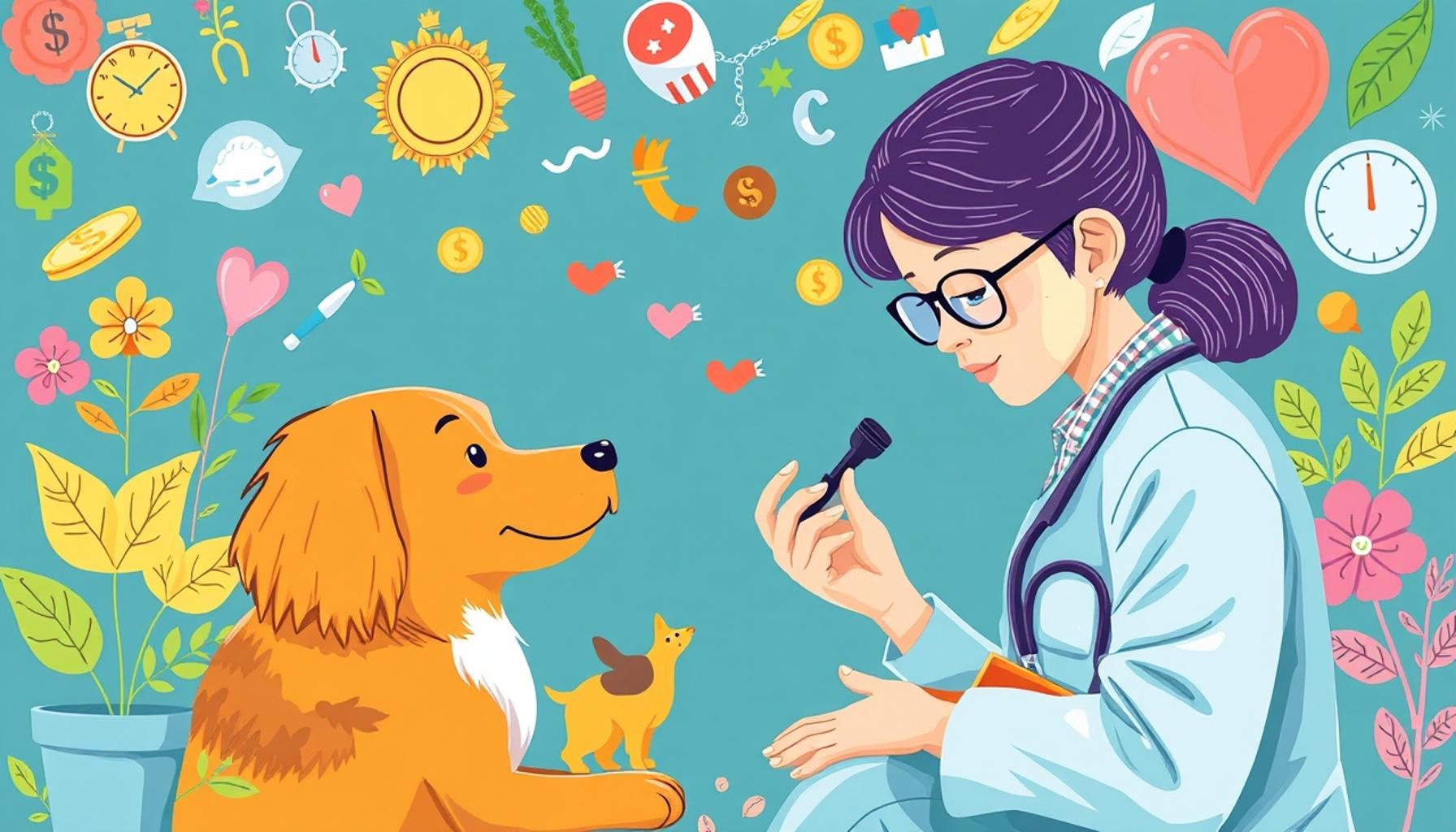
Animal-assisted therapy (AAT) is gaining ground in therapeutic circles as an invaluable method for alleviating mental health and physical challenges. This innovative practice incorporates trained animals, often dogs or horses, into treatment plans, effectively bridging the gap between traditional therapy and emotional support. Research indicates that, when combined with conventional therapeutic interventions, AAT can significantly enhance the experiences of individuals dealing with anxiety, trauma, and various physical ailments.
Remarkable Effects of Animal-Assisted Therapy
The benefits of AAT are multifaceted, impacting both human participants and the animals involved. For individuals undergoing therapy, the emotional benefits are particularly profound. Patients often report improved emotional well-being, characterized by marked reductions in anxiety, depression, and feelings of loneliness. For instance, a study conducted in a pediatric hospital setting showed that children with chronic illnesses who interacted with therapy dogs exhibited lower levels of stress and greater emotional comfort during their hospital stays.
Additionally, AAT fosters enhanced social interactions. In therapeutic environments, animals serve as social catalysts, encouraging communication and facilitating relationships among patients, therapists, and family members. This interaction can be especially beneficial for individuals on the autism spectrum, aiding in the development of crucial social skills through structured play and companionship with therapy animals.
Beyond emotional and social improvements, AAT also contributes to physical health benefits. Participants engaged in these programs often experience heightened levels of physical activity due to the playful nature of the interactions. For example, individuals recovering from surgeries or dealing with mobility issues may find that the presence of a therapy animal motivates them to engage in light exercise, thereby enhancing their overall physical wellness.
Impact on Animal Health
Interestingly, the therapeutic process is not a one-sided affair; the health and well-being of therapy animals are also positively impacted. Regular interactions lead to increased regular exercise for the animals, which helps maintain their physical fitness. Furthermore, therapy animals often benefit from socialization opportunities, as they encounter a diverse range of individuals during sessions. This exposure can enhance the animals’ adaptability and social skills, making them more effective in their roles.
Additionally, participating in AAT provides enhanced training for the animals involved. They learn new skills, improve obedience, and gain positive reinforcement through their interactions during therapy sessions, leading to better behavior and more beneficial training outcomes.
Expanding Horizons of AAT
As awareness of animal-assisted therapy continues to spread across the United States, its potential to enrich the lives of both people and animals becomes increasingly evident. Numerous studies, testimonials, and anecdotal evidence highlight the transformative power of AAT in various settings, including schools, hospitals, and rehabilitation centers. For those considering the incorporation of animals into therapeutic practices, exploring the various avenues offered by AAT could lead to significant improvements in both personal and pet health.
In conclusion, the integration of AAT into mental health and wellness strategies reflects a promising future for compassionate care, fostering emotional connections and expediting healing journeys for countless individuals while simultaneously enriching the lives of the animals involved.
Transformational Impacts of Animal-Assisted Therapy
The increasing implementation of animal-assisted therapy (AAT) in various therapeutic settings has sparked interest in its remarkable capacity to enhance mental, emotional, and physical well-being. This therapeutic modality, characterized by the participation of well-trained animals, primarily dogs and horses, integrates seamlessly into traditional healing practices, generating compelling results for participants. With a focus on the profound impacts on both humans and therapy animals, the discussion surrounding AAT continues to grow.
Emotional Healing Through Connection
One of the most significant benefits of AAT is its ability to foster strong emotional connections between patients and their animal companions. The effects are particularly observable in populations dealing with mental health issues such as anxiety, depression, and PTSD. Studies have shown that interactions with therapy animals lead to decreased levels of cortisol, the stress hormone, and increased production of oxytocin, known as the “bonding hormone.” For example, veterans suffering from PTSD have reported feeling more comfortable and secure when engaging with therapy dogs, creating a safe space to address their emotional challenges while cultivating trust.
Additionally, therapy animals can serve as a bridge for communication, particularly for those who struggle with expressing their feelings. The unconditional affection offered by the animals facilitates an atmosphere of openness, encouraging participants to discuss their thoughts and emotions more freely. Recognizing how this bond aids in therapeutic dialogue is crucial for mental health professionals employing AAT.
Sparking Social Interaction and Community
In the age of social distancing and isolation, the role of therapy animals as social facilitators has never been more important. One of the key advantages of AAT is its capacity to enhance social interaction. Animals can act as conversation starters, encouraging dialogue among individuals in therapeutic settings. This is particularly relevant in group therapy settings where sharing experiences can be beneficial. The presence of therapy animals often leads to:
- Increased Conversations: Participants engage more readily with both animals and fellow human participants.
- Participation in Activities: Group-based activities involving animals prompt a sense of camaraderie.
- Improved Empathy: Caring for and interacting with animals fosters empathy in participants, enhancing understanding and compassion.
Moreover, AAT’s impact extends to populations with developmental challenges, such as individuals on the autism spectrum. These individuals often exhibit enhanced communication and social skills through structured interactions with therapy animals, significantly aiding their personal development.
Physical Health and Activity
AAT contributes not just to emotional and social well-being, but also promotes physical health. Engaging with animals often encourages participants to engage in movement, whether it’s walking a dog or participating in playful activities with other animals. This increase in physical activity has numerous benefits, particularly for those recovering from injuries, surgeries, or dealing with chronic conditions. The motivation derived from the companionship of therapy animals can push individuals to pursue greater mobility and lead a healthier lifestyle, ultimately improving their overall quality of life.
In summary, the implementation of animal-assisted therapy presents a wealth of benefits that extend beyond emotional support and encompass social interaction and physical wellness. As practitioners and researchers continue to explore the potential of AAT, there is hope for a future where both human and animal health flourish symbiotically through this compassionate approach to healing.
The Benefits of Animal-Assisted Therapy in People’s Lives and Pet Health
Animal-Assisted Therapy (AAT) has gained considerable recognition for its profound impact on both human well-being and the health of pets involved in the therapeutic process. By incorporating animals into therapeutic settings, AAT offers unique benefits that extend beyond traditional therapy modalities.
| Category 1 | Category 2 |
|---|---|
| Emotional Support | Animals provide unconditional love, reducing feelings of loneliness and anxiety. |
| Physical Health Improvement | Regular interaction with therapy animals has been shown to lower blood pressure and improve cardiovascular health. |
The integration of animals into therapy not only enhances emotional resilience but also fosters physical health improvements. For instance, studies indicate that engaging with therapy pets can reduce levels of stress hormones, promoting a sense of calm. Furthermore, the interactive nature of these sessions often encourages patients to engage in physical activity, further aiding their overall health journey.
Interestingly, the impact on pets involved in AAT is equally significant. These therapy animals are often more content and healthier due to the positive experiences and interactions they provide. As they receive love and care in return, the bond forged in these relationships promotes a mindset of well-being that benefits both parties.
Thus, Animal-Assisted Therapy stands out as a dual-benefit approach, enhancing not only the lives of individuals but also enriching the lives of pets involved, ultimately creating a holistic environment conducive to healing.
Enhancing Quality of Life Through Animal Connections
Beyond the immediate emotional and social benefits of animal-assisted therapy (AAT), this therapeutic approach also has profound implications for improving the overall quality of life for participants. These improvements extend to various dimensions of daily functioning, from enhancing coping skills to fostering resilience and independence.
Boosting Coping Mechanisms
AAT serves as a powerful tool for individuals navigating the complexities of personal challenges or trauma. The presence of a therapy animal can act as an emotional anchor, providing stability during turbulent times. Many participants report that simply petting or interacting with therapy animals during stressful activities enables them to manage their anxiety more effectively. This bond can be invaluable in a wide range of environments, particularly in settings such as hospitals or schools, where stress levels might be high.
Furthermore, therapy animals often help individuals develop healthier coping strategies. For instance, children facing learning difficulties can benefit from increased patience and confidence when reading to a therapy dog, significantly enhancing their learning experience. This structured environment not only reduces performance anxiety but also encourages a love for reading, fostering educational resilience.
Support for the Elderly and Individuals with Disabilities
The benefits of AAT are particularly noteworthy in geriatric care and among those living with disabilities. In nursing homes and assisted living facilities, therapy animals are frequently implemented to combat loneliness and depression. Interactions with gentle, trained animals can stimulate memories and encourage socialization, creating an atmosphere filled with warmth and joy. According to research, elderly patients who engage with therapy animals exhibit improved mood and cognitive function.
Moreover, AAT is increasingly used to support individuals with physical disabilities. Programs that involve equine therapy, for instance, have shown remarkable outcomes for those with mobility issues. Riding or grooming horses can improve fine motor skills, coordination, and balance, promoting greater independence in daily activities. Various organizations across the United States are harnessing these benefits, making equine therapy popular among occupational and physical therapists.
The Mutual Benefits for Therapy Animals
While the focus on human participants is often emphasized, we must not overlook the profound effects AAT has on the therapy animals involved. Animals used in AAT programs are specially trained to provide comfort, support, and companionship, fostering a fulfilling and productive lifestyle. Research indicates that animals engaging in therapeutic activities show reduced anxiety levels and increased happiness.
Importantly, the health of therapy animals is prioritized through regular veterinary care and assessments. This focus on their well-being is essential, as healthy animals are more effective in providing emotional support. Behavioral problems often diminish in well-cared-for therapy animals, showcasing the reciprocal benefits of AAT. This symbiotic relationship highlights the importance of nurturing both human and animal partners, leading to sustainable therapeutic practices.
Potential for Broader Applications
As the field of animal-assisted therapy continues to evolve, its applications are expanding into diverse settings, including rehabilitation centers, schools, and even corporate environments. Innovative programs encompassing stress-reduction initiatives, such as “puppy rooms” in workplaces, where employees can spend time with therapy animals, are gaining traction. The implications for workplace morale, creativity, and stress management are worth exploring further.
In conclusion, the overarching benefits of AAT not only enhance the lives of those who participate but also ensure that the therapy animals thrive in nurturing environments. With each success story, we move closer to a comprehensive understanding of how the bonds between humans and animals can transform lives for the better, promoting an integrative approach to health and wellness that respects both ends of the spectrum.
Final Thoughts on the Transformative Power of Animal-Assisted Therapy
In summary, animal-assisted therapy (AAT) serves as a remarkable bridge between human emotional needs and the well-being of therapy animals. Through the unique bond formed during these interactions, individuals not only enhance their coping mechanisms and emotional resilience but also improve their overall quality of life. As evidenced in various settings—from nursing homes to educational institutions and corporate environments—AAT fosters a nurturing atmosphere that encourages healing, socialization, and personal growth.
The positive impacts of AAT extend beyond those directly engaging with therapy animals; the animals themselves also enjoy improved health and happiness when adequately cared for and involved in therapeutic practices. This reciprocal relationship illustrates the profound connections shared between species, emphasizing the importance of mutual care and respect.
As research and success stories in this field continue to accumulate, animal-assisted therapy stands poised for broader applications. From enhancing mental health in diverse populations to facilitating independence in individuals with disabilities, AAT opens new avenues for exploration and understanding. Consequently, it sparks an important dialogue on integrating animal companionship into holistic health practices.
For those curious about incorporating AAT into their lives, whether for emotional support or pet health benefits, numerous resources and programs are available across the United States. By embracing these initiatives, we move closer to recognizing the full potential of human-animal bonds in fostering wellness and enriching lives.

Linda Carter
Linda Carter is a writer and pet care expert specializing in pet health, grooming, and wellness. With extensive experience helping pet owners create safe, loving, and enriching environments for their animals, Linda shares her knowledge on our platform. Her goal is to empower readers with practical advice and strategies to ensure their pets thrive and lead joyful, healthy lives.