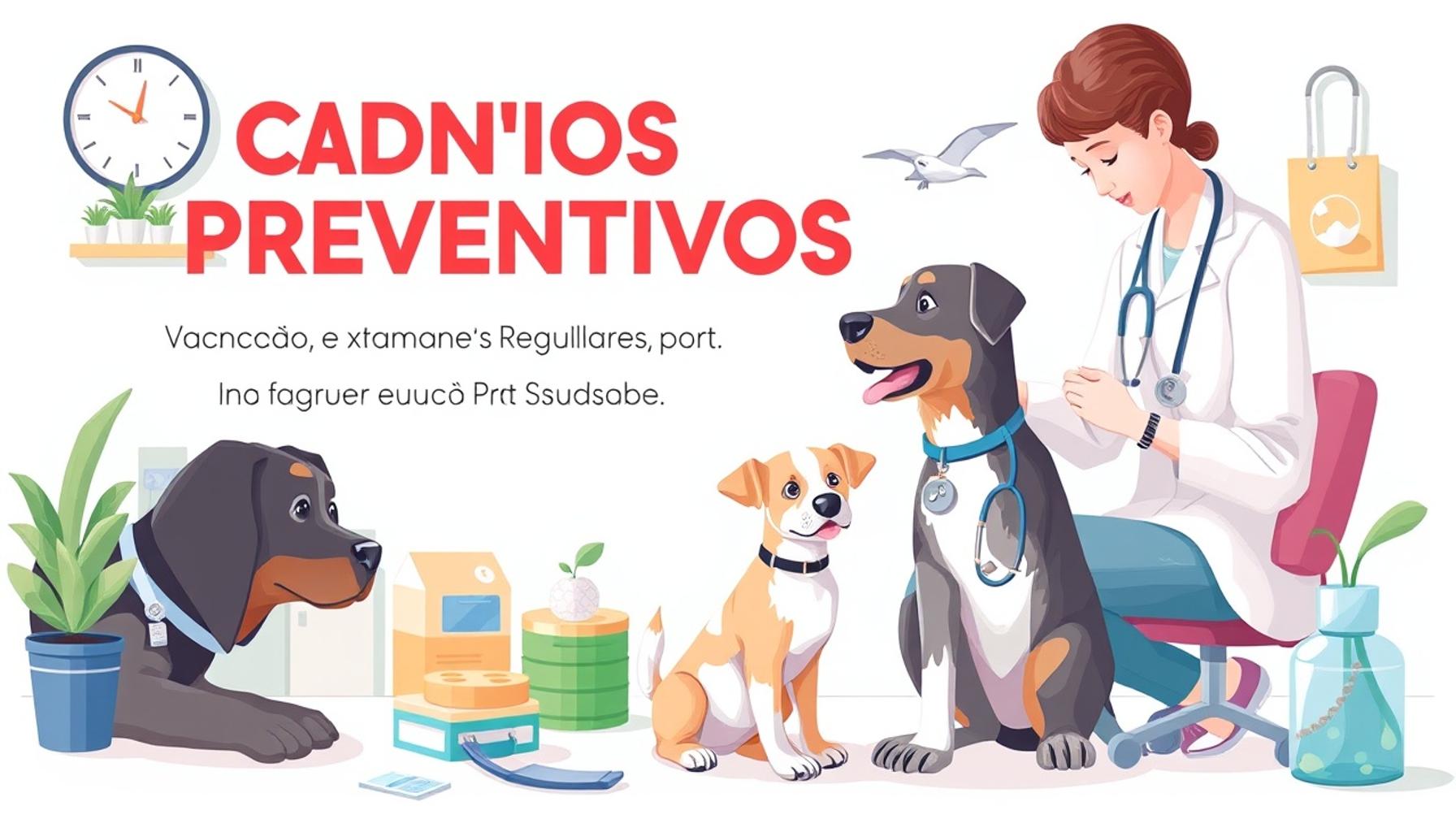
The Importance of Vaccination and Preventive Medicine for Pets
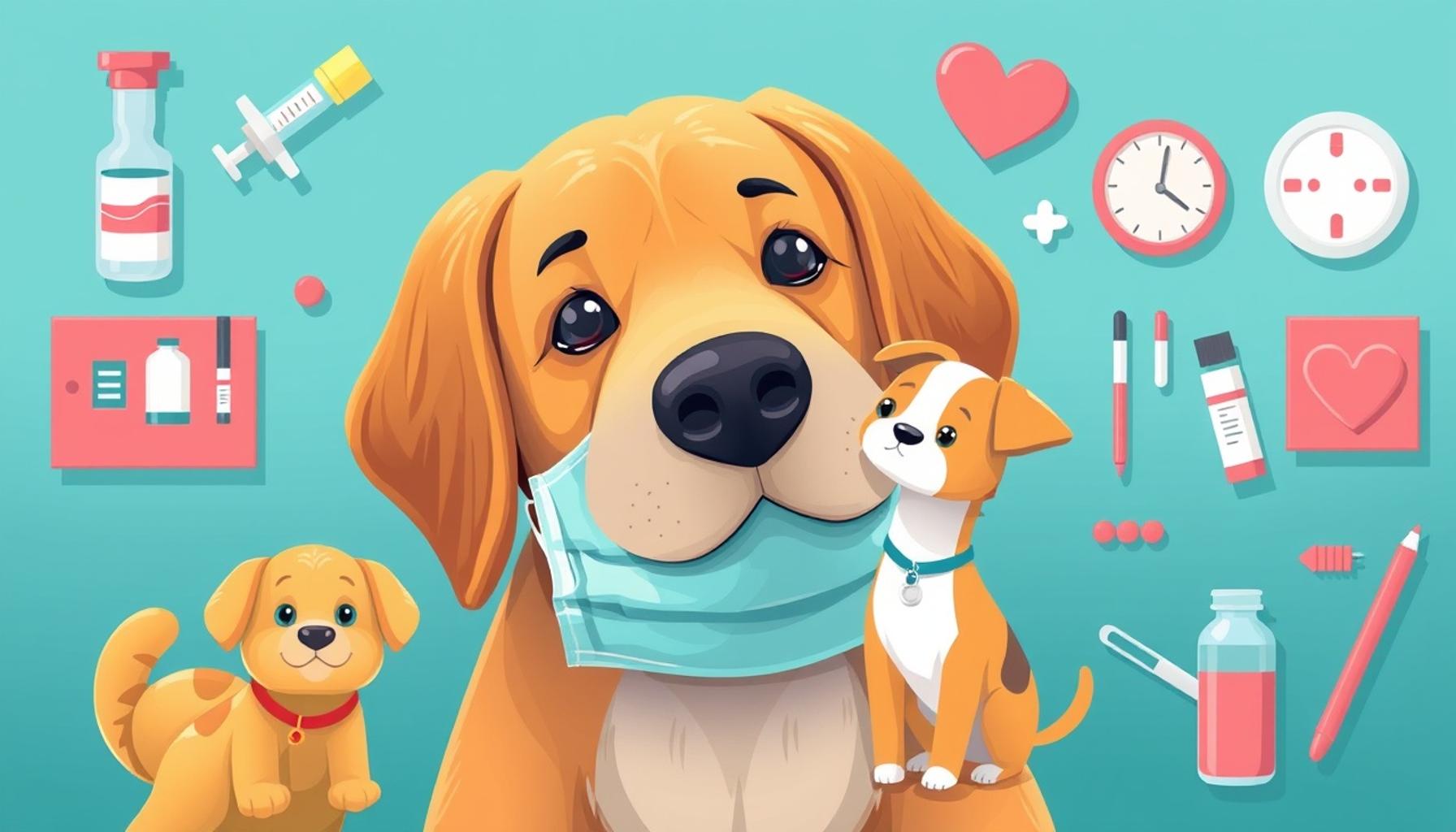
The Vital Importance of Vaccination and Preventive Care for Pets
In an age where pets are not merely animals but integral members of our households, their health deserves vigilant attention. Vaccination and preventive medicine play pivotal roles in ensuring that our furry friends lead healthy and fulfilling lives. This proactive approach is similar to the way humans are immunized against various diseases, underscoring the significance of keeping our pets protected from illnesses.
One of the most critical aspects of vaccination is its ability to prevent serious diseases. Pets are susceptible to a variety of infectious conditions, such as rabies, which is nearly 100% fatal once symptoms appear, and distemper, a disease that affects multiple body systems and often leads to severe neurological issues. Parvovirus, another worrying virus, can cause devastating gastrointestinal complications and is frequently fatal, particularly in young puppies. Thankfully, effective vaccines are available for these diseases, providing a shield of protection against them.
Investing in vaccinations and preventive care can also reduce healthcare costs significantly over time. While the upfront cost of vaccines might seem daunting, it pales in comparison to the expenses associated with treating advanced illnesses. For instance, treating a pet suffering from parvovirus could result in thousands of dollars in emergency care, hospitalization, and long-term medications, expenses that a simple vaccination could have prevented. Thus, early vaccinations can be seen not only as a health measure but as a smart financial decision.
Moreover, vaccinating pets has broader implications for community health. When pets are vaccinated, they contribute to a decrease in the prevalence of zoonotic diseases—diseases that can be transmitted from animals to humans. For example, rabies can pose a severe threat not only to pets but also to the community at large, reinforcing the importance of widespread vaccination to control such risks. As responsible pet owners, ensuring that our pets are vaccinated lies at the heart of safeguarding not only their health but also the well-being of fellow humans.
Despite the well-documented benefits, some pet owners still harbor doubts about the necessity of vaccinations. Concerns about potential side effects or misconceptions regarding vaccine efficacy can hinder the decision-making process. Understanding the benefits and risks associated with pet vaccinations is crucial. Engaging with veterinary professionals and seeking reliable information can lead to informed decisions that enhance both the quality of life for pets and peace of mind for owners.
This article invites you to delve deeper into the importance of vaccination and explore how a structured preventive medicine plan is an essential strategy in safeguarding your pet’s health and happiness. By embracing these practices, pet owners can embark on a journey towards enhancing their care regimen, ensuring their beloved companions thrive for years to come.
Understanding Vaccination: A Shield Against Disease
The foundation of a healthy pet begins with a robust vaccination schedule. Vaccinations are not merely routine check-ups; they serve as comprehensive defenses against a multitude of specific illnesses that could threaten your pet’s quality of life. The core vaccines recommended by veterinarians encompass those for rabies, parvovirus, distemper, and adenovirus. Rabies, in particular, is not only a grave concern for pets but also a serious public health issue, as it is transmissible to humans. Each of these diseases poses a significant risk, and a single vaccination can save a pet from a dangerous fate.
Apart from core vaccines, there are also non-core vaccines that are essential based on individual risk factors. For instance, leptospirosis is a bacterial disease that is transmitted through water contaminated with infected urine, while Lyme disease, carried by ticks, can cause severe joint and organ issues in dogs. Bordetella, commonly known as kennel cough, is highly contagious and can easily spread in facilities like boarding kennels or dog parks. Vaccination against these diseases is vitally important for pets that may encounter such risks.
Pet owners should be aware that the effects of vaccinations extend beyond individual protection. Vaccination helps achieve herd immunity within the pet population, creating a safer environment for all animals, particularly those who may be too young or immunocompromised to receive vaccines. This concept becomes increasingly compelling in community settings, where outbreaks can rapidly proliferate without sufficient vaccination coverage. For instance, during an outbreak of parvovirus, the lack of vaccinations can lead to a devastating decline in both health and lifespan among unprotected pets.
The Consequences of Skipping Vaccinations
Failing to vaccinate pets can lead to severe consequences, including outbreaks of preventable diseases. These consequences ripple through communities and can affect human health as well.
- Increased Disease Risk: Unvaccinated pets are at a significantly heightened risk of contracting diseases, which jeopardizes not only their health but also poses a threat to other pets. This risk is particularly evident in densely populated areas where animals frequently interact.
- Financial Burden: The cost associated with treating vaccine-preventable diseases far outweighs the expenses related to vaccination. For example, the costs of treating distemper, which may involve intensive care, extensive testing, and multiple medications, can escalate into thousands of dollars.
- Legal Ramifications: In several states across the U.S., vaccinations such as rabies are mandated by law. Non-compliance with these regulations can result in fines, mandatory quarantines, or even the imposition of more severe restrictions. Thus, keeping vaccination records current is crucial not only for health but also for legal compliance.
Preventive Medicine: Beyond Vaccination
Vaccination is just one piece of the preventive puzzle. Comprehensive preventive medicine includes regular veterinary check-ups, dental care, parasite control, and nutritional guidance. Each of these components contributes to a holistic health strategy that prevents diseases and promotes overall well-being. Regular veterinary visits are particularly significant as they can help identify subtle changes in your pet’s health before they develop into serious issues, enabling early interventions that can lead to better health outcomes.
Engaging in a proactive approach to your pet’s health through vaccination and preventive care not only enhances your pet’s longevity but deepens the bond between you and your companion. The peace of mind that comes from knowing your pet is protected against devastating illnesses allows you to focus on what truly matters – creating wonderful memories together. As the landscape of pet care continues to evolve, embracing vaccinations and comprehensive preventive strategies reaffirms your commitment to your furry friend’s health and happiness.
The Importance of Vaccination and Preventive Medicine for Pets
In today’s world, where zoonotic diseases present major challenges, vaccination and preventive medicine have become essential components in ensuring the overall health and longevity of our pets. Routine vaccinations protect against a variety of life-threatening diseases such as rabies, parvovirus, and distemper. By guaranteeing that our pets receive their vaccinations on time, we not only safeguard their health but also contribute to greater community health, reducing the risk of disease transmission among animals and, in some cases, humans.
Moreover, preventive medicine encompasses regular check-ups that enable veterinarians to detect health issues before they escalate into serious conditions. Early detection can significantly reduce treatment costs and improve outcomes. For example, routine blood tests can identify conditions like kidney disease or diabetes before symptoms surface, allowing for timely intervention and management strategies.
Additionally, vaccinations play a pivotal role in maintaining a pet’s quality of life. Diseases like Lyme disease, often transmitted by ticks, can lead to chronic health problems. Vaccines against such preventable issues are not just a measure of health; they enhance the overall happiness and well-being of pets by allowing them to engage freely in their environments without the looming risk of infectious diseases.
| Advantage | Benefit |
|---|---|
| Preventive Health Monitoring | Allows early detection of diseases for better treatment outcomes. |
| Community Health Protection | Reduces the risk of outbreaks and the spread of diseases among pets and humans. |
The proactive approach provided by vaccination and preventive care not only fosters a healthier life for pets but promotes a safer environment for their human companions as well.
Integrating Preventive Care: A Holistic Approach
While vaccination lays the groundwork for disease prevention, preventive medicine extends that foundation by encompassing all aspects of a pet’s health. A multifaceted strategy that includes a combination of nutrition, exercise, and regular veterinary visits can significantly enhance your pet’s health and longevity. Routine wellness exams allow veterinarians to conduct necessary tests and screenings that might otherwise go unnoticed, including blood tests that can detect early signs of metabolic diseases, organ dysfunction, or infectious diseases.
Nutrition and Weight Management
A well-balanced diet tailored to a pet’s specific needs is crucial for disease prevention. Pets, just like humans, require a mix of proteins, fats, carbohydrates, vitamins, and minerals for optimal health. Obesity, which affects nearly 60% of pets in the United States, can lead to a host of health problems such as diabetes, joint issues, and heart disease. Consulting with a veterinarian about appropriate food choices and portion control is essential to maintain a healthy weight and prevent obesity-related diseases.
Dental Care: An Often Overlooked Aspect
Pawing over the importance of dental health is essential, as oral diseases are the most common health issue affecting pets. Neglecting dental care can lead to conditions such as periodontal disease, which not only affects the teeth and gums but can also have serious systemic consequences, including heart, liver, and kidney problems. Regular dental check-ups and cleanings, along with at-home dental care like brushing and dental treats, can safeguard pets from these complications, ensuring their mouths—and bodies—remain healthy.
Parasite Prevention: The Invisible Threat
Another critical component of preventive medicine includes effective parasite control. Fleas, ticks, and heartworms are not merely a nuisance; they pose serious health threats. Fleas can cause allergies, anemia, and tapeworm infections, while ticks are capable of transmitting disease-causing pathogens like Lyme disease and Rocky Mountain spotted fever. Heartworm disease can lead to lung disease and heart failure, requiring extensive treatment costs. Regular use of veterinarian-recommended preventive medications and flea/tick topical treatments is essential to protect pets from these invisible adversaries.
Behavioral Health and Environmental Enrichment
Beyond the physical, mental well-being is equally important for a pet’s overall health. Behavioral issues can stem from boredom or lack of exercise and can lead to anxiety and aggression. Pet owners should focus on providing environmental enrichment through play, socialization, and mental challenges. Engaging pets in regular activities and introducing interactive toys can help stimulate their minds and maintain emotional balance, which is essential for a happy and healthy pet.
As the understanding of pet health evolves, so does the importance of a comprehensive approach to preventive medicine. By integrating vaccination with nutritional guidance, parasite control, dental care, and mental stimulation, pet owners can cultivate an environment that fosters overall health and long-term happiness. By taking these proactive steps, pet owners embrace a lifestyle of wellness for their cherished companions, assuring that they can live vibrant lives filled with joy and security.
Conclusion: A Commitment to Comprehensive Pet Health
In the ever-evolving landscape of veterinary medicine, vaccination and preventive care stand as pillars of responsible pet ownership. The undeniable benefits of immunizations provide the foundation for safeguarding our pets against serious diseases, while preventive medicine weaves a more intricate tapestry of health that encompasses nutrition, dental hygiene, parasite control, and mental well-being. With research indicating that pets receiving regular wellness exams have a higher likelihood of living longer, healthier lives, the imperative for pet owners to embrace a comprehensive approach is clearer than ever.
It is essential for pet owners to not only stay informed about the necessity of vaccinations but also to actively participate in their pet’s overall care. Apropos considerations—such as maintaining a balanced diet, addressing dental health, and implementing parasite prevention strategies—can collectively reduce the risk of chronic health issues, fostering a vibrant lifestyle for beloved companions. Moreover, sustaining mental enrichment emerges as a critical aspect of a pet’s happiness, showcasing the interconnectedness of physical and emotional health.
Investing time and effort in these preventive measures is not simply an act of compliance but a testament to the commitment shared with our pets. The path toward a health-conscious environment for our furry family members necessitates ongoing dialogue with veterinary professionals and a dedication to learning. Ultimately, by prioritizing vaccination and preventive medicine, pet owners can ensure that their companions not only live longer lives but also thrive emotionally and physically, bringing immeasurable joy into their homes.

Linda Carter
Linda Carter is a writer and pet care expert specializing in pet health, grooming, and wellness. With extensive experience helping pet owners create safe, loving, and enriching environments for their animals, Linda shares her knowledge on our platform. Her goal is to empower readers with practical advice and strategies to ensure their pets thrive and lead joyful, healthy lives.