
Understanding the Nutritional Needs of Senior Cats: Adapting Diets for Longevity
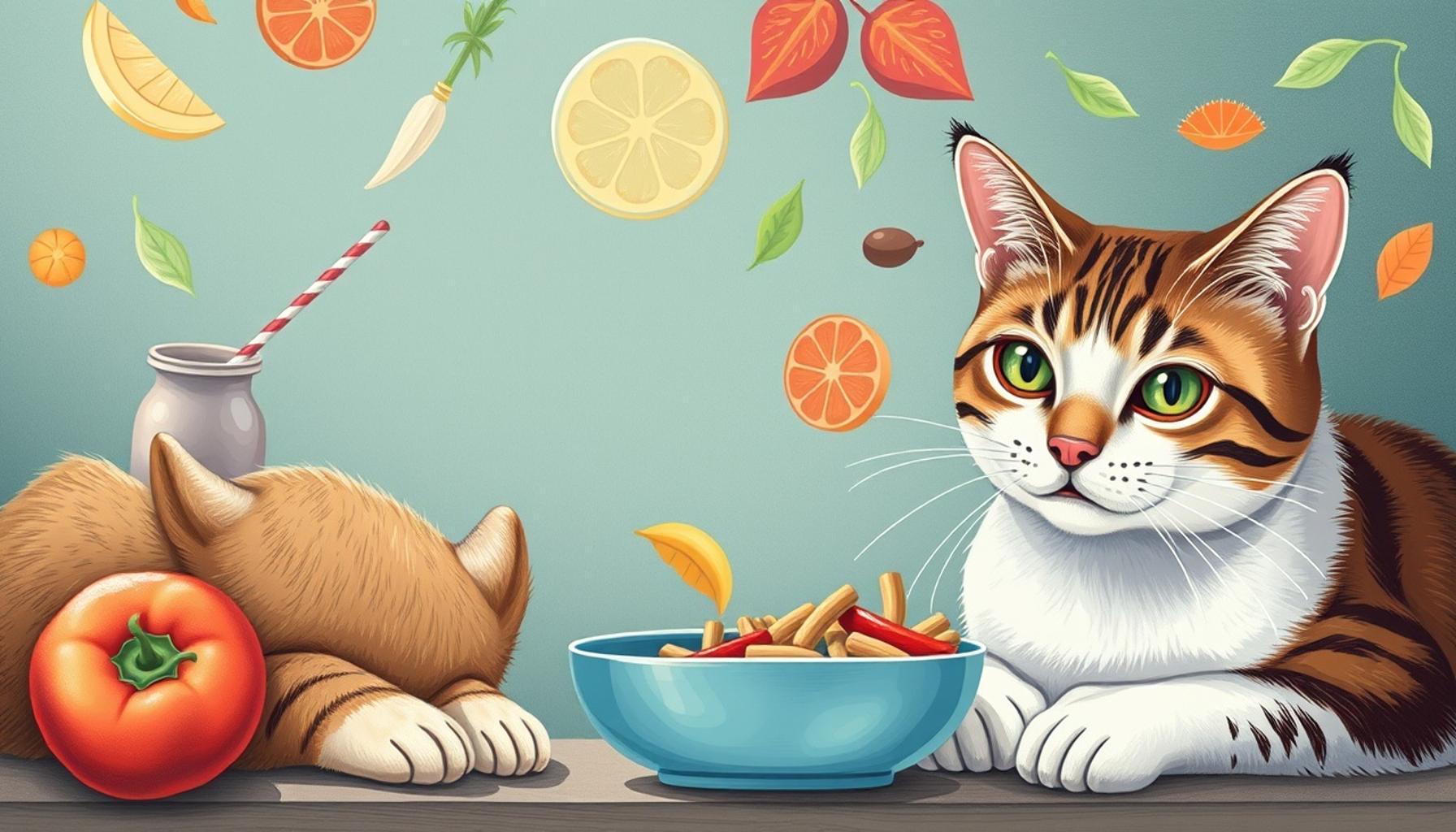
The Changing Landscape of Feline Nutrition
As our furry companions transition into their golden years, their nutritional needs undergo significant transformation. Understanding these changes is crucial for maintaining their health and enhancing their well-being. Senior cats, often categorized as those aged 7 years and older, face various physiological alterations that can affect how they absorb nutrients and interact with their food.
Among the most noticeable changes in senior cats are:
- Decreased metabolism: Just like in humans, a feline’s metabolism slows down with age, meaning they require fewer calories compared to their younger counterparts.
- Lower energy levels: Seniors tend to be less active; thus, it’s imperative to adjust their calorie intake to avoid obesity, which can lead to further health complications.
- Higher susceptibility to health issues: Senior cats are generally more prone to chronic conditions such as kidney disease, diabetes, and arthritis, emphasizing the need for a diet that supports their specific health needs.
By making necessary adjustments to their diet, you can promote not only longevity but also a higher quality of life for your aging feline. Here are some essential dietary elements to consider:
- Protein Quality: Older cats need a diet rich in high-quality protein to help maintain muscle mass and vitality. Proteins derived from animal sources, like chicken, turkey, and fish, are generally more beneficial than those from plant sources.
- Moisture Content: Staying hydrated is critical for senior cats, as they may not drink enough water on their own. Incorporating wet food can enhance their moisture intake, which is essential for kidney health and overall hydration.
- DHA and Omega Fatty Acids: These essential nutrients are not just trendy buzzwords; they play a significant role in cognitive function and joint health. Foods containing Omega-3 fatty acids, found in fish oils, can help combat inflammation and support brain health, potentially reducing the risk of cognitive decline.
Understanding these dietary shifts can empower you to make informed choices for your furry friend. For instance, seeking out pet foods specifically formulated for seniors can ensure they receive the proper amounts of vital nutrients. Consulting with a veterinarian can also provide personalized insights and recommendations tailored to your cat’s unique health profile.
In the sections to follow, we will dive deeper into the importance of each nutritional element for senior cats. Additionally, we’ll share practical tips on adapting their diets to achieve optimal health outcomes, ensuring your feline companions enjoy their later years to the fullest.
Prioritizing Protein: The Foundation of a Senior Cat’s Diet
At the heart of a senior cat’s dietary requirements lies the vital importance of high-quality protein. As cats age, maintaining muscle mass becomes increasingly crucial, especially given their tendency to be less active. A diet that incorporates a generous amount of protein helps prevent muscle atrophy while also promoting overall well-being. The American Association of Feed Control Officials (AAFCO) recommends that senior cats receive at least 28% protein in their daily diet, though higher percentages may be even more beneficial for those with decreased activity levels.
When selecting food for your senior cat, it’s essential to focus on the source of protein. Animal-based proteins such as chicken, turkey, and fish are superior choices compared to plant proteins. This is because animal proteins provide a complete amino acid profile, which is crucial for the myriad functions in a cat’s body, including tissue repair and hormone production. Additionally, some brands offer specialized formulations enriched with essential amino acids, further supporting your feline’s health.
The Importance of Hydration: Wet vs. Dry Food
Hydration is another critical aspect of meeting a senior cat’s nutritional needs. Unfortunately, many cats—particularly older ones—tend to drink less water than they should. This is often exacerbated by the fact that many senior cats are particularly susceptible to kidney diseases, making hydration even more essential for their longevity.
One of the most effective ways to ensure your senior cat stays hydrated is by integrating wet food into their diet. Canned cat food typically contains between 70% to 80% moisture, making it a fantastic option for increasing fluid intake. Wet food can also stimulate the appetite of finicky eaters, as the moisture content enhances the aroma and flavor. If your senior cat is still keen on dry kibble, consider mixing it with some wet food or offering it as a treat to promote hydration indirectly.
Healthy Fats: The Key to Joint and Brain Health
As senior felines age, they often experience joint stiffness and cognitive decline. Though it may be tempting to shy away from fats completely, incorporating specific Omega-3 fatty acids into their diet can be extremely beneficial. Ingredients such as fish oil not only support joint health and mobility but also play a significant role in maintaining cognitive function.
Research indicates that dietary supplementation with Omega-3s can help reduce inflammation, making daily movements more comfortable for senior cats. Moreover, DHA (docosahexaenoic acid) is essential for brain health, and studies suggest that cats receiving adequate amounts of DHA may experience slower cognitive decline as they age. Adding fish oil or specialized senior cat foods enriched with Omega-3 fatty acids could be key to enhancing your aging pet’s quality of life.
With an understanding of these fundamental dietary components, you are better equipped to support the health and well-being of your senior cat. As you consider these adjustments, remember that consulting with a veterinarian can help tailor their nutrition plan more effectively to meet your cat’s specific needs.
Understanding the Nutritional Needs of Senior Cats
As cats gracefully transition into their senior years, their nutritional needs undergo significant changes. These alterations are crucial to support their health, vitality, and overall quality of life. Senior cats often experience a decrease in metabolism and activity levels, which makes it imperative to adapt their diets accordingly. Choosing the right nutritional balance can directly influence their longevity and well-being.
One of the primary factors to consider is the protein content in their food. Unlike younger cats, senior felines may benefit from a diet that includes easily digestible proteins. This can help in maintaining muscle mass, which tends to decline with age. It’s vital to look for high-quality protein sources such as chicken, turkey, or fish, as these also provide essential amino acids necessary for energy levels and overall health.
Another important aspect is the inclusion of omega fatty acids, which support cognitive function and joint health. Senior cats are prone to arthritis and cognitive decline, so integrating fish oil or flaxseed oil can offer protective benefits. Furthermore, incorporating antioxidants such as vitamins E and C can bolster their immune system, helping them fend off diseases.
Hydration also plays a crucial role in the diet of senior cats. Many older felines may not drink enough water, leading to urinary tract issues and kidney problems. Therefore, incorporating wet food options can significantly assist in maintaining proper hydration levels, and also satisfy their natural cravings as obligate carnivores.
| Nutritional Category | Benefits |
|---|---|
| High-Quality Proteins | Maintains muscle mass and energy levels. |
| Omega Fatty Acids | Supports cognitive function and joint health. |
| Antioxidants | Boosts immune system and protects against disease. |
| Hydration Sources | Prevents urinary tract issues and kidney problems. |
By understanding and implementing appropriate dietary changes, cat owners can support the health and longevity of their feline companions. Remember, consulting with a veterinarian for personalized dietary recommendations based on specific health needs or conditions is always advisable.
Essential Vitamins and Minerals: Supporting Overall Health
Beyond macronutrients, senior cats also require a well-rounded balance of vitamins and minerals to thrive. Nutrients such as Vitamin E, Vitamin C, and Zinc all play vital roles in maintaining immune function, skin health, and coat condition. As cats age, their immune systems may weaken, making them more susceptible to disease. Incorporating antioxidant-rich foods or supplements can significantly bolster your senior cat’s defenses against illness.
Additionally, taurine is an essential amino acid that may be overlooked in plant-based diets. Senior cats may not produce enough taurine on their own, and insufficient levels can lead to serious health issues such as heart disease and vision problems. Therefore, it is crucial to ensure that their diet includes ample sources of taurine, typically found in animal tissues. Look for senior cat foods designed to meet the higher taurine needs, or consider adding meat-based treats that contain this vital nutrient.
Managing Weight: Avoiding Obesity in Senior Cats
One of the pressing concerns for many senior cats is obesity. As their metabolism slows and they become less active, many cats are prone to weight gain, which can exacerbate health problems like diabetes, arthritis, and even heart disease. To combat this, monitoring caloric intake and adjusting portion sizes is essential.
Veterinarians often recommend weight management formulas for senior cats. These specially designed foods typically have lower calories but still offer high-quality protein, enabling your cat to lose excess weight while maintaining muscle mass. Another useful strategy is to feed smaller, more frequent meals throughout the day rather than one or two larger meals. This approach can help regulate blood sugar levels and reduce the likelihood of overeating while allowing cats to enjoy their food more frequently.
Dietary Allergies and Sensitivities: Tailoring Diets
Senior cats are also more prone to developing food allergies or sensitivities, which can manifest as skin issues, gastrointestinal disturbances, or unexplained weight changes. If you observe these signs, consider reevaluating your cat’s diet. Switching to a limited ingredient diet can help pinpoint the offending ingredients. These diets typically contain fewer proteins and additives, aiding in detecting food intolerances.
Moreover, periodic consultations with your veterinarian can provide the necessary insights to diagnose specific dietary needs. Performing an elimination diet under veterinary supervision can effectively identify ingredient sensitivities, leading to a tailored diet that provides both nutrition and comfort.
Understanding Special Health Needs: Tailored Nutrition
Each senior cat may present unique health issues that necessitate personalized dietary adaptations. For instance, felines diagnosed with chronic kidney disease (CKD) often require lower protein diets with restricted phosphorous while still being palatable. Conversely, cats with hyperthyroidism might benefit from decreased iodine levels in their food. Thus, being attuned to any specific health conditions is essential in developing a robust nutritional strategy that not only supports your cat’s current health but also contributes to a healthier, happier life.
As you continue to explore the ideal diet for your senior cat, remember how critical these nutritional adaptations are in promoting longevity and quality of life.
Conclusion: Prioritizing the Nutritional Needs of Senior Cats
In conclusion, understanding the nutritional needs of senior cats is paramount for promoting their longevity and enhancing their quality of life. As our feline companions age, their dietary requirements shift, necessitating a careful adaptation of their diets to cater to their evolving health needs. From ensuring sufficient protein intake and incorporating vital vitamins and minerals to addressing potential dietary allergies, a tailored approach to nutrition can make all the difference.
Weight management also plays a critical role in the overall health of senior cats. By monitoring caloric intake and providing balanced diet options specifically designed for weight control, pet owners can significantly reduce the risks associated with obesity, such as diabetes and heart disease. Moreover, understanding the special health conditions that may afflict older cats—such as chronic kidney disease or hyperthyroidism—allows for even greater precision in dietary formulation.
Engaging in regular consultations with a veterinarian ensures that you stay informed about the unique needs of your senior cat and can adapt their nutrition accordingly. As they age gracefully, your commitment to their dietary well-being can help them lead vibrant and fulfilling lives. Ultimately, taking the time to educate yourself about effective dietary practices will not only support your cat’s health but can also deepen the bond you share during these precious years.

Linda Carter
Linda Carter is a writer and pet care expert specializing in pet health, grooming, and wellness. With extensive experience helping pet owners create safe, loving, and enriching environments for their animals, Linda shares her knowledge on our platform. Her goal is to empower readers with practical advice and strategies to ensure their pets thrive and lead joyful, healthy lives.