
The Evolution of Dog Breeds: How History and Environment Shape Their Characteristics
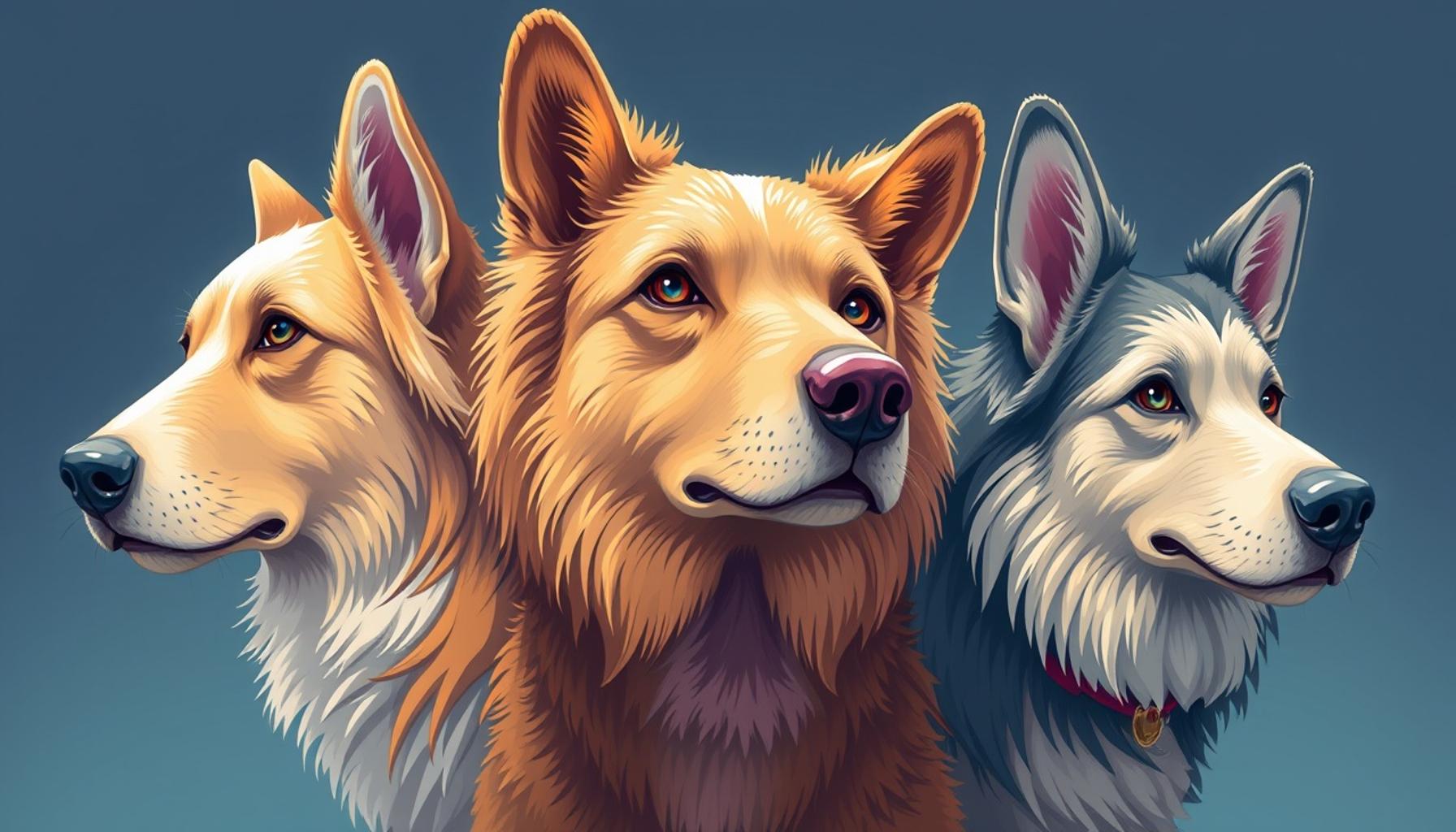
The Evolution of Dog Breeds
Dogs have been humanity’s most cherished companions for thousands of years, showcasing a remarkable range of shapes, sizes, and behaviors that reflect the intricate relationship between humans and animals. The extraordinary diversity of dog breeds we see today is no mere happenstance; it arises from complex interactions between history and environment, sculpting their unique characteristics throughout the ages. Understanding this evolution not only unravels the story of our canine friends but also emphasizes the profound impact of human choices across millennia.
Geographical Influence
Diverse geographical locations have significantly molded the physical and behavioral traits of various dog breeds. For example, the Siberian Husky, originally bred by the Chukchi people in the Arctic regions, showcases thick fur and a powerful build—traits essential for survival in frigid temperatures. In contrast, the Basenji, hailing from Central Africa, is known for its short coat and keen hunting abilities, ideal for warm climates and dense forests. The environment not only shaped their physical appearance but also influenced their herding, hunting, and protective instincts, leading to breeds that perfectly matched their surroundings.
Human-Centric Roles
The varying human needs throughout history have also been pivotal in the diversification of dog breeds. In ancient times, dogs served as hunting partners, guards, and loyal companions during warfare. Breeds such as the Bloodhound were refined over generations for their exceptional tracking abilities, whereas farming communities developed herding dogs like the Border Collie, celebrated for their intelligence and skill in managing livestock. As societies evolved, so too did the roles of dogs—from service animals assisting individuals with disabilities to affectionate family pets, each breed echoes its purpose through time.
Cultural Significance
Furthermore, the cultural significance of certain breeds is another fascinating layer in this narrative. Some breeds, like the Shih Tzu, have deep historical ties to royalty and prestige within specific cultures, leading to their selective breeding for traits that represented luxury and elegance. Others, like the Dogo Argentino, were developed for particular regional hunting practices, showcasing how cultural context shapes the physical and behavioral attributes of dogs.
As we examine individual breeds, we must consider how their unique histories intertwine with environmental challenges. Take, for instance, the Bernese Mountain Dog, which thrives in chilly alpine settings, or the tiny but resilient Chihuahua, perfectly suited for adapting to urban living. Each breed embodies a synthesis of its historical background and the environmental challenges faced by its ancestors, creating a rich tapestry that continues to evolve.
Join us as we delve into the intricate threads of dog breed evolution, discovering how the blend of history and environment has uniquely shaped canine characteristics that resonate with dog lovers everywhere.
LEARN MORE: Click here to uncover important insights
Geographical Influence on Dog Breeds
The diverse geographical locations around the globe have significantly molded the physical and behavioral traits of various dog breeds, acting almost like a canvas upon which history paints its narrative. For instance, breeds like the Alaskan Malamute and the Siberian Husky were developed in harsh, cold climates and evolved traits that reflect their environment. The Malamute is characterized by its heavy, double coat and powerful body, necessary for hauling sleds across frozen terrains. The Husky, with its stunning blue eyes and undeniable endurance, was essential for transportation and companionship in Arctic conditions. These canine companions not only adapted to extreme cold but their behavioral attributes, such as loyalty and strong pack mentality, were refined through their survival needs and rich tribal histories.
On the other hand, breeds emerging from warmer climates have their own adaptations. The Basenji, often referred to as the “barkless dog,” is agile and built for speed and hunting in the dense African jungles. Its short coat provides minimal insulation while allowing it to thrive in a hot, humid environment. In contrast, the Whippet, originally bred for speed in open fields in Britain, showcases a lean physique and a striking ability to chase small game. The geographical context not only dictates bodily characteristics but implies specific behavioral traits, such as hunting prowess or companionship style, aligned with the challenges and resources of the environment.
Impact of Human Needs on Evolution
As human civilization progressed, different human needs became paramount in the evolution of dog breeds. The roles that dogs played turned from mere survival tools into specialized companions. For example, consider the German Shepherd, a breed that arose in 19th century Germany to address the needs for herding and protection. Not only does this breed exhibit intelligence and loyalty, but its versatility has made it a popular choice in police and military work, demonstrating the lengths to which humans went to refine their abilities for specific tasks.
Throughout history, certain breeds were purposefully developed and bred to fulfill particular functions. Examples include:
- Golden Retriever – Bred for retrieving game during hunting expeditions, these dogs are renowned for their friendly disposition and work ethic.
- Boxer – Initially bred for bull-baiting and later as a loyal companion, the Boxer’s playful personality underscores a shift from utility to companionship.
- Beagle – Developed primarily as a scent hound, Beagles continue to be popular for their hunting skills and sociable nature.
As societies and their respective needs evolved—ranging from agricultural demands to companionship desires—so too did the characteristics that defined various breeds. This intricate dance between human ambition and ecological necessity not only created breeds that suited particular functions but also laid the groundwork for the rich and diverse tapestry of dogs we cherish today. Understanding these foundations allows us to appreciate the profound connection between history, environment, and the traits that define our canine companions.
As we delve deeper into the evolution of dog breeds, it becomes evident that both history and environment play a pivotal role in shaping their characteristics. The original domestication of dogs dates back thousands of years, with early humans selecting traits that best suited their needs. For instance, hunting breeds like the Greyhound were developed for their speed and keen sense of sight, essential for tracking prey. In stark contrast, herding breeds such as the Border Collie were cultivated for their intelligence and agility, enabling them to manage livestock efficiently.Additionally, regional environmental factors have further influenced breed characteristics. In colder climates, breeds like the Siberian Husky developed thicker coats and a higher tolerance for cold, while breeds in warmer regions, like the Basenji, adapted with lighter coats and a more compact body structure. This diversification illustrates how environmental pressures, alongside human intervention, have crafted a rich tapestry of breeds, each with its own unique traits adapted for specific tasks and surroundings.The interplay of culture and canine traits also cannot be overlooked. In certain communities, dogs were bred to reflect societal values, ranging from companionship to utility. For example, the companionship of breeds like the Cavalier King Charles Spaniel highlights their role in nobility and coziness, while working dogs like the Rottweiler showcase strength and dependability, reflecting their purpose in guarding and protection.Furthermore, modern influences, including urbanization and industrialization, have introduced new challenges and opportunities for dog breeds. Today, many dogs are bred for specific traits that appeal to modern lifestyles, such as smaller sizes for apartment living or hypoallergenic coats for allergy sufferers. This ongoing evolution not only raises questions about the future of dog breeds but also emphasizes the resilience of canines as they continue to adapt to the changing landscapes of human society.As we study the evolution of dogs, it becomes clear that understanding their history is not just about tracing lineage but also about recognizing how deeply intertwined their lives are with that of humans, revealing a rich narrative that influences both animal behavior and human relationships.
DIVE DEEPER: Click here to learn more about how genetics shape your pet’s personality</a
Cultural Influences and Dog Breeds
The evolution of dog breeds is not just a tale of survival against the elements; it is also intricately woven with the fabric of human culture. As communities formed, distinct cultures emerged around the world, each shaping dogs’ roles and characteristics to suit their unique lifestyles and values. For instance, in the rural landscapes of the American Southwest, the Australian Cattle Dog was bred to assist ranchers with herding and protecting livestock. Its high energy, intelligence, and physical agility reflect the demands of the vast cattle ranching territories that require sharpherding instincts and endurance, highlighting how a specific cultural practice can guide selective breeding processes.
Similarly, in Japan, the Shiba Inu is revered not only for its fox-like appearance but also for its cultural significance as a symbol of fidelity and companionship. Historically, this breed was utilized for hunting small game in mountainous regions, evolving a spirited personality and a stubborn independence that resonates with its origins. The Shiba Inu’s standing as a national treasure illustrates how cultural values can influence the desirability of certain traits, leading to maintenance and refinement of specific breed characteristics over centuries.
The Role of Modern Breeding Practices
Today, the impact of modern breeding practices on the evolution of dog breeds is profound. Selective breeding, often conducted to enhance specific physical and behavioral traits, sometimes shifts the natural attributes seen in breeds. For example, the French Bulldog has become increasingly popular due to its charming appearance and friendly demeanor. However, the emphasis on compact size and specific aesthetics has also resulted in health challenges, such as respiratory issues, which many observers note are a direct consequence of focused breeding for certain traits. In this sense, the quest for a “perfect” breed can unintentionally compromise the vitality and well-being of the dogs themselves.
Moreover, the rise of the designer breed trend—breeding mixes like the Labradoodle or Cockapoo—is another aspect of modern evolution. These hybrids often emerge from a desire for the combined best traits of parent breeds, catering to the growing demand for hypoallergenic companions or dogs with specific temperaments. However, the potential challenges and benefits of hybrid vigor introduce complexities into the study of canine genetics and breed evolution, highlighting the importance of responsible breeding practices.
The growing awareness of canine welfare has further prompted reevaluation of traditional breed standards to encourage a focus on health and genetic diversity. Organizations and breed clubs are increasingly advocating for practices that consider a dog’s overall wellbeing—addressing concerns that arise from generations of selective breeding focused largely on appearance rather than inherent health.
Ultimately, as history, environment, culture, and human needs continue to intertwine, the evolution of dog breeds reveals an ongoing narrative. One that is perpetually shaped by our relationships with these remarkable animals, urging us to reflect upon the balance between aesthetic desires and the fundamental well-being of our furry companions.
DIVE DEEPER: Click here to learn more
Conclusion
The evolution of dog breeds is a fascinating intersection of history, environment, and human influence. Over thousands of years, dogs have adapted to meet the diverse needs of societies across the globe, resulting in an incredible variety of breeds—each with distinct physical traits and temperamental qualities. This continuous process of adaptation reflects not only the practical demands of differing tasks, from herding to companionship, but also the cultural narratives that shape our perceptions of these animals.
As we have seen with animals like the Australian Cattle Dog and the Shiba Inu, the roles played by dogs can significantly affect their development and breed characteristics. The impact of modern breeding practices illustrates a double-edged sword; while the desire for specific traits may create stunning aesthetics or unique mixes, it can also pose serious health risks, reigniting debates on responsible breeding. The emergence of designer breeds raises questions about genetic diversity and the sanctity of breeds, reminding us to tread carefully in pursuit of popularity or fashion.
Ultimately, understanding the evolution of dog breeds is not merely an academic exercise; it is a profound reflection on our relationship with these loyal companions. As we look toward the future, it becomes essential to prioritize their health and welfare, considering the broader implications of our choices in breeding and ownership. This evolving narrative offers endless opportunities for exploration, inviting us to examine how our cultural values and environmental factors continue to shape the furry friends who enrich our lives.

Linda Carter
Linda Carter is a writer and pet care expert specializing in pet health, grooming, and wellness. With extensive experience helping pet owners create safe, loving, and enriching environments for their animals, Linda shares her knowledge on our platform. Her goal is to empower readers with practical advice and strategies to ensure their pets thrive and lead joyful, healthy lives.