
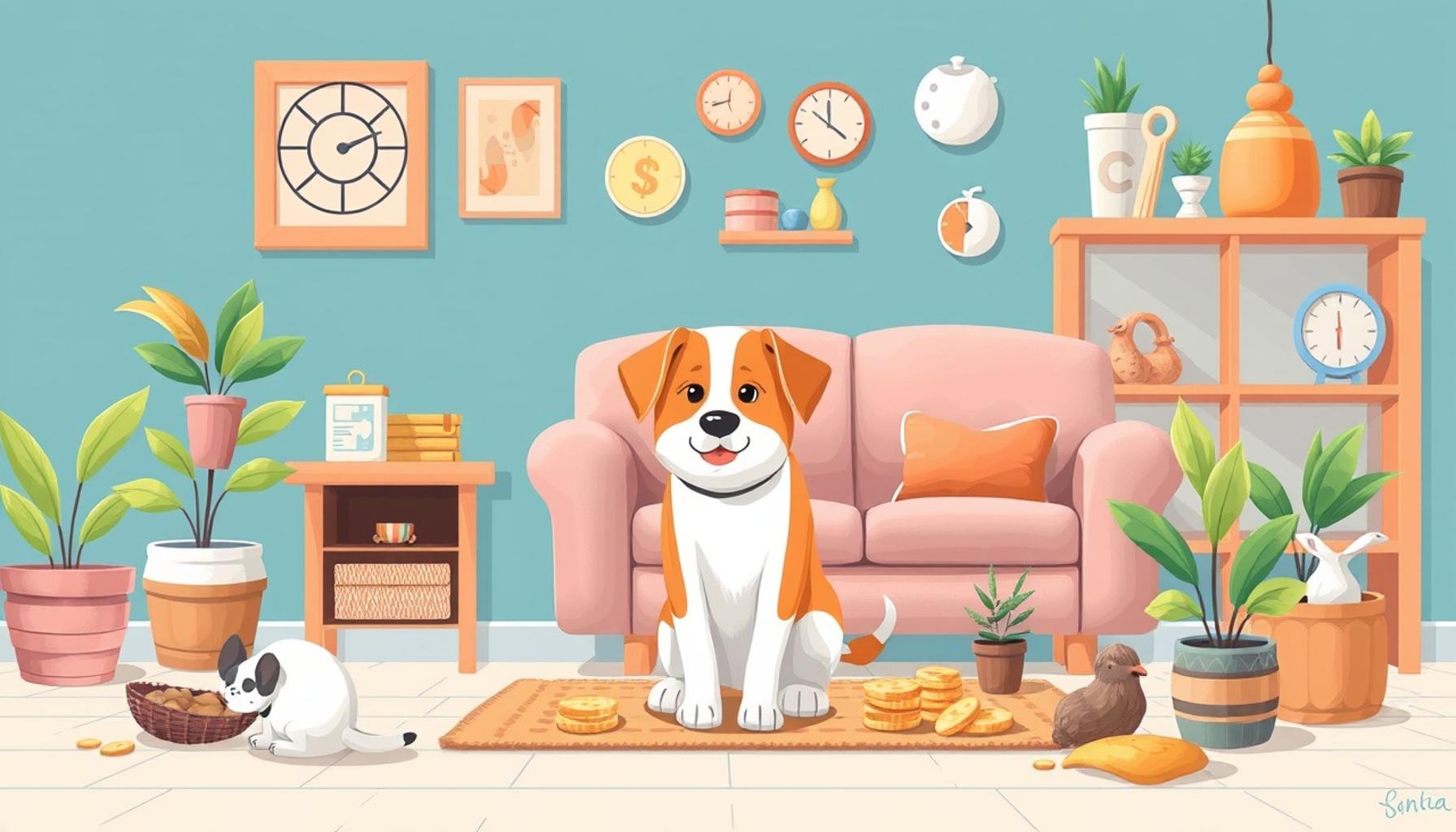
Creating a Cozy Haven for Your Furry Friends
Ensuring your pet’s well-being involves more than just meeting their basic needs; it requires crafting an engaging and nurturing environment that supports both their physical and mental health. A thoughtfully designed home for your pet not only enhances their safety but also stimulates their natural instincts and creativity. Here are some essential elements to consider when creating a cozy haven for your furry friends:
- Safety First: Begin with safety by eliminating potential hazards. Many common household plants, such as lilies and pothos, are toxic to pets. Ensure these are stored out of reach or replaced with pet-friendly varieties. Additionally, secure loose electrical cords using cord organizers or raceways that prevent chewing, and install window screens or locks to avoid accidents from falls. This proactive approach creates a secure environment where your pet can explore freely.
- Comfort Zones: Just like humans, pets need their own sanctuary where they can retreat to feel safe. Designate a quiet corner in your home filled with comfortable blankets and soft beds tailored to your pet’s size and sleeping habits. For example, a raised bed can provide comfort for dogs with joint issues, while a cozy cave-bed can make cats feel secure. Providing multiple comfort zones throughout the house allows your pet the choice of where they wish to relax, promoting a sense of ownership and security.
- Engaging Activities: Boredom can lead to negative behaviors in pets, so it’s crucial to incorporate engaging activities. Invest in a variety of toys, such as chew toys, interactive feeders, and puzzle games that challenge your pet’s intellect and dexterity. For instance, a treat-dispensing toy can keep your dog busy for hours as they work out how to extract the food, while a feather wand or laser pointer can stimulate your cat’s hunting instincts. Regular playtime and mental challenges not only reduce anxiety but also strengthen the bond between you and your furry friend.
A stimulating environment not only entertains but also contributes significantly to reducing anxiety and behavioral issues in pets. Research indicates that pets engaged in regular mental and physical activities exhibit considerably lower stress levels and improved well-being. While designing your pet-friendly home, keep in mind their individuality as well as their specific needs based on their breed or species. For example, a high-energy dog may require more interactive playspaces, while a senior cat may appreciate quieter napping sections.
This piece will delve into practical strategies and innovative ideas to create a harmonious living space for your pet. By selecting appropriate materials—such as durable, non-toxic furnishings—and ensuring proper training techniques, your efforts can culminate in a nurturing atmosphere that fosters not just happiness, but overall health. Individuals looking to enhance their pets’ quality of life will find that every thoughtful decision contributes to a thriving, happy companion.
DISCOVER MORE: Click here for an in-depth analysis
Protecting Your Pet from Household Hazards
Before you can create a stimulating environment for your furry companion, it is paramount to focus on ensuring their safety. Pets are naturally curious, often exploring their surroundings with unbridled enthusiasm, which can sometimes make them susceptible to various household dangers. Here are some crucial steps to take to safeguard your pet:
- Secure Your Space: Begin by inspecting your home for potential hazards. This includes anything from sharp objects and hazardous chemicals to small items that could be swallowed. Make sure to store items like cleaning supplies, medicines, and certain foods (such as chocolate, grapes, and onions) out of reach or in locked cabinets specialized for pet safety.
- Be Mindful of Furniture and Decor: Evaluate your furniture arrangement; sharp edges can be dangerous for pets that tend to rush through spaces. Consider using corner protectors on coffee tables or side tables. Additionally, avoid having fragile decorations in areas your pet frequents, as they may inadvertently knock them over during their playful antics.
- Utilize Baby Gates: If your home has multiple levels, implementing baby gates can be an effective way to prevent pets from accessing areas that may pose risks, such as staircases or large crowds of people. This not only protects your pet but can also reduce stress during gatherings where the hustle and bustle may overwhelm them.
- Choose Pet-Friendly Plants: While many indoor plants can liven up your home, it is crucial to ensure they are non-toxic. Species like spider plants, Boston ferns, and bamboo palm are safe options. On the other hand, plants such as azaleas, oleander, and philodendrons can be harmful and should be avoided. Refer to the ASPCA Animal Poison Control website for a comprehensive list of toxin-free options.
Creating a safe haven for your pet is an essential first step before introducing stimulating activities and environments. For instance, pets that have a secure space can focus on exploring new toys and engaging in interactive play rather than worrying about navigating around potential dangers. Always monitor your pet’s behavior in their environment; it’s a vital way to identify areas of concern or unanticipated risks.
Furthermore, consider incorporating a pet-friendly scent, such as calming lavender or chamomile, to create an inviting atmosphere. Essential oils should be used with caution, as they can be harmful to pets; make sure to do thorough research and consult with your veterinarian about safe alternatives.
As you move forward in building a haven for your furry friend, remember that the key lies in combining safety measures with elements that keep their minds active and their spirits high. Keep reading to discover how to introduce enriching activities that foster creativity and joy in your beloved pets.
Creating a safe and stimulating environment for your pet at home is essential for their well-being and happiness. This involves a combination of physical safety measures, mental stimulation, and emotional comfort. Here, we will explore various strategies to enrich your pet’s living space while ensuring they remain secure.One of the primary considerations in crafting a safe home environment is pet-proofing. This means removing any potentially hazardous items such as toxic plants, electrical cords, and small objects that could pose a choking risk. Additionally, ensure that all windows are secured with screens and that any poisonous substances, including medications and cleaning supplies, are stored out of reach. Implementing these precautions creates a foundation of safety.In terms of mental stimulation, incorporating a variety of toys is a fantastic way to keep your pet engaged and prevent boredom. Interactive toys, puzzle feeders, and items that encourage physical activity can all contribute to your pet’s cognitive development. Regular exercise is also vital; taking your dog for walks or providing your cat with climbing structures can help burn energy and maintain physical fitness.Moreover, creating designated play areas where your pet can explore safely enhances their stimulating environment. Identify spaces in your home where pets can engage with their surroundings and facilitate their exploration. For instance, a window perch allows cats to observe passersby, while a secure outdoor enclosure can provide dogs with fresh air and sunshine, all while keeping them protected.In terms of emotional comfort, establishing a cozy resting area equipped with a bed or blanket can create a sanctuary for your pet. This designated space should be quiet, away from foot traffic, and offer them a sense of security. Soft bedding, familiar toys, and even a piece of your clothing can help ease anxiety and promote relaxation.Lastly, positive reinforcement training will not only help your pet learn desirable behaviors but also strengthens your bond with them. Engaging in training sessions can provide mental challenges while establishing routines that offer structure to your pet’s day.By combining safety measures, engagement opportunities, and emotional support, you create an environment that not only protects your pet but also enhances their quality of life. Remember that the goal is to encourage exploration and play, all while ensuring your furry friend’s security and contentment.
DIVE DEEPER: Click here to find your perfect furry companion
Creating Enrichment Through Play and Interaction
Once you have established a secure space for your pet, it’s time to shift your focus toward creating a stimulating environment that fosters engagement and play. Keeping your pet mentally and physically stimulated is essential for their overall well-being. Here are several strategies to introduce enriching experiences in your home:
- Interactive Toys: Invest in a range of interactive toys that challenge your pet’s problem-solving skills. Puzzle feeders—where your dog or cat has to navigate various compartments to access treats—can keep their minds engaged for hours. Similarly, feather wands or laser pointers can encourage your pets to exercise and engage in their natural hunting instincts in a safe manner.
- Training Sessions: Regular training sessions are a powerful method for mental stimulation. Not only does teaching your pet new commands (like “sit,” “stay,” or “roll over”) challenge them, but it also strengthens the bond between you and your pet. Consider using clicker training, which has shown success in enhancing learning and can be a fun game for both you and your pet.
- Varied Walks and Outings: Dogs, in particular, require regular walks to satisfy their need for physical activity. However, you can enhance this experience by varying the routes and introducing new environments, such as parks or nature trails. Engaging with different sights and scents during walks can provide fantastic mental stimulation for your dog. Similarly, cat owners can provide enrichment by creating a catio—a secure outdoor enclosure that allows cats to experience the outdoors safely.
- Socialization Opportunities: For many pets, interacting with other animals is crucial for their social development. Arranging playdates with other pets or taking your dog to a dog park can help them learn important social behaviors while also providing an outlet for play. Ensure that these interactions are supervised for safety, as not all animals will react positively to new friends.
- DIY Activities: Get creative and repurpose household items into engaging activities. For instance, hiding treats in a muffin tin and covering them with tennis balls can create a DIY puzzle for your pet to solve. Additionally, making a simple obstacle course from furniture can encourage dogs to navigate and explore, providing both mental and physical challenges.
Additionally, enrich your pet’s environment by rotating their toys regularly. By introducing “new” toys from time to time, you can reignite their interest and enthusiasm, fostering an ongoing sense of curiosity. Moreover, having a designated play area or pet corner filled with their favorite items creates a sense of ownership and comfort—important factors in a stimulating environment.
Remember to observe your pet’s reactions to different stimuli. Some pets may thrive in a bustling environment with plenty of activities, while others may prefer quieter, low-key opportunities for exploration. Tailoring your approach to suit your pet’s personality will help ensure that they are both entertained and comfortable in their environment.
DISCOVER MORE: Click here to learn about genetics and cat breeds
Conclusion: Nurturing Your Pet’s Well-Being
Creating a safe and stimulating environment for your pet at home is key to enhancing their quality of life and fostering their happiness. By embracing the principles laid out in this guide, you not only provide a secure space that minimizes hazards but also enrich their daily experiences through engaging activities and interaction. Remember, a well-rounded environment balances safety and stimulation, catering to both the physical and mental health of your beloved pet.
Investing in interactive toys, dedicating time for training sessions, and ensuring varied outings can greatly contribute to keeping your pet content and engaged. Additionally, regularly socializing with other animals and creatively utilizing household items for DIY projects can offer unique opportunities for play and mental challenges. Each of these elements creates a dynamic atmosphere that prevents boredom and enriches your pet’s life.
It is essential to remain attentive and adaptable to your pet’s individual needs. Observe their reactions and preferences, and make adjustments as necessary to ensure they thrive in their environment. Personalizing their space with a multitude of stimuli tailored to their personality will not only keep them entertained but will also enhance the bond you share.
By taking the time to create a nurturing sanctuary within your home, you ensure that your pet feels secure, loved, and engaged. Explore new ideas and continuously seek resources to enhance their environment. After all, a happy and healthy pet brings joy and fulfillment to your life, making every effort worthwhile.