
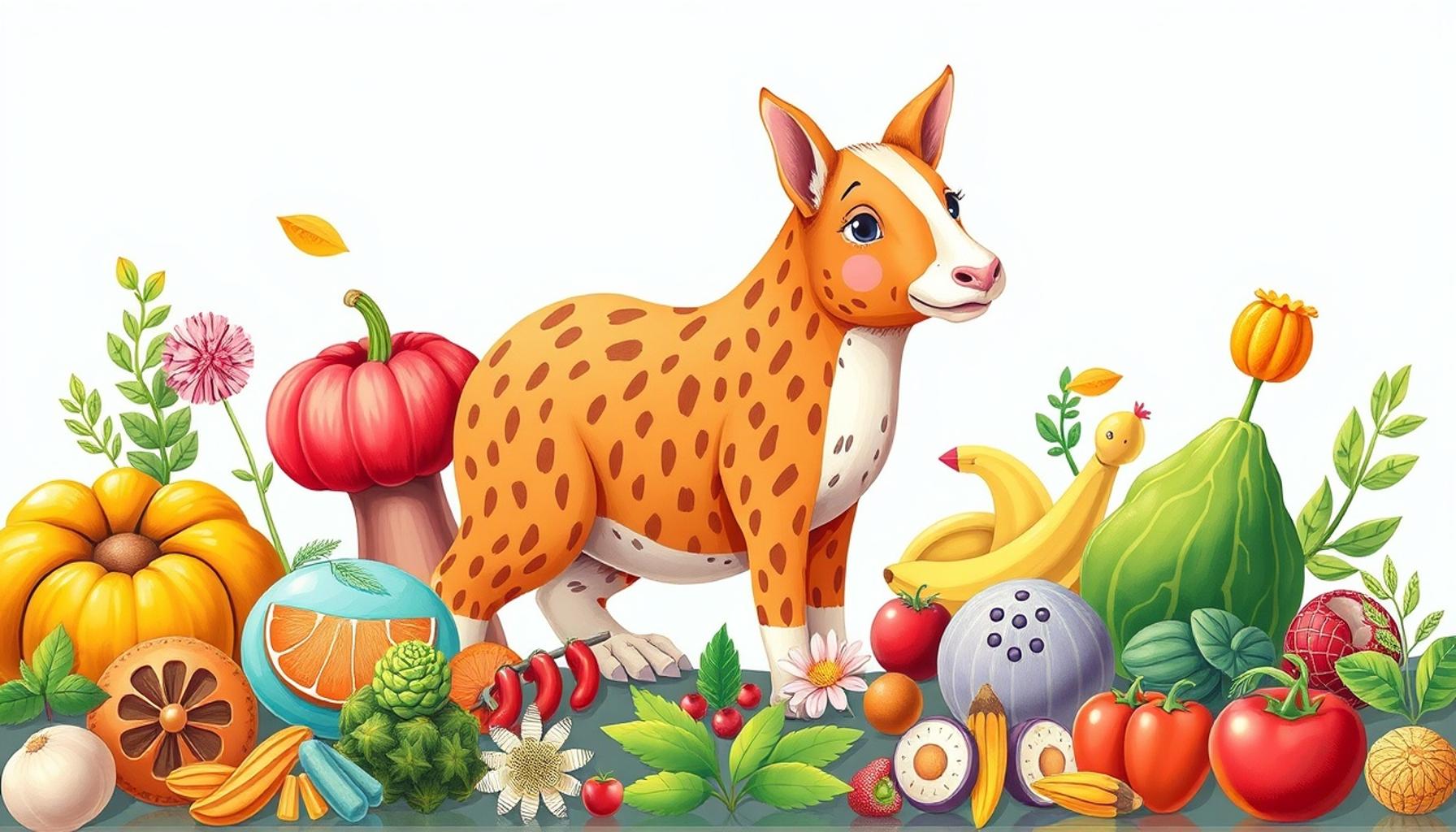
The Importance of Balanced Nutrition in Pet Care
Every pet owner wishes for their furry companions to thrive, live long, and enjoy vibrant lives. One crucial factor that plays a significant role in determining their quality of life is balanced nutrition. Proper nutrition is foundational for your pet’s overall health, not only supporting physical growth but also contributing to mental well-being and behavioral balance.
Understanding the significance of balanced nutrition is essential for any pet owner. Here are several compelling reasons why ensuring a healthy diet for your pets matters:
- Supports Growth and Development: Especially in the formative stages of a pet’s life, such as in puppies and kittens, the right balance of nutrients is vital. For instance, large breed puppies require specific nutrients to prevent rapid growth that can lead to skeletal issues. Consulting with a veterinarian about recommended dietary plans during this crucial phase can prevent long-term health complications.
- Boosts Immunity: A pet that receives balanced nutrition is better equipped to fend off infections and illnesses. For example, diets high in antioxidants (found in fruits like blueberries) can enhance your pet’s immune response, keeping them fit and healthy. Moreover, a strong immune system can lead to fewer vet visits and a happier pet overall.
- Prevents Obesity: A carefully curated diet helps maintain a healthy weight for pets, significantly reducing the risk of obesity-related diseases such as diabetes and heart disease. With the rise of obesity rates in pets during the past decade, maintaining balance in their diet can prevent costly health issues that can arise long term.
With pet food options sprawling at every grocery and pet supply store, deciphering what constitutes balanced nutrition can be intimidating. High-quality pet food generally combines:
- Proteins: Essential for muscle development and overall health, proteins from both animal and plant sources should be adequately represented in your pet’s diet. For example, chicken, beef, or plant-based proteins like peas offer essential amino acids.
- Fats: Healthy fats not only provide essential energy but also contribute to skin and coat health. Omega-3 and Omega-6 fatty acids, commonly found in fish oils and flaxseed, are excellent additions to your pet’s diet.
- Carbohydrates: These are vital for providing energy and supporting digestive health. Ingredients such as brown rice and sweet potatoes are wholesome sources of carbohydrates that support your pet’s overall vitality.
- Vitamins and Minerals: These nutrients support numerous bodily functions, ensuring your pet has balanced metabolic processes. For instance, vitamin E and zinc are critical in promoting healthy skin and fur.
Investing time in understanding your pet’s nutritional needs can lead to informed decisions, enabling your furry friends to live their best lives. By consulting with veterinarians and considering age, breed, and activity levels, you can tailor a balanced diet that fosters long-term health and happiness. Educated choices in pet nutrition can create a world of difference, resulting in energetic playtimes, shiny coats, and an overall zest for life. Your pet deserves nothing less than the best.
DISCOVER MORE: Click here to find your perfect pet match
Understanding Key Nutrients for Optimal Pet Health
When it comes to balanced nutrition for pets, understanding the key nutrients that contribute to their overall health is essential. Each nutrient plays a unique role in maintaining optimal health and preventing disease, making it crucial for pet owners to be informed about what their pets need. This understanding can significantly impact your pet’s lifespan and quality of life.
First and foremost, let’s delve into the role of proteins. Proteins are the building blocks of life; they are vital for muscle growth, tissue repair, and hormone production. Without sufficient protein, pets may struggle with growth and energy. Depending on their dietary preferences, pets can benefit from a mix of high-quality animal proteins, such as fish or chicken, alongside plant proteins like lentils or quinoa. Notably, the Association of American Feed Control Officials (AAFCO) recommends that pets receive a diet with adequate protein levels to support their individual needs.
Fats are another critical component of a balanced pet diet. These macronutrients provide energy, aid in the absorption of fat-soluble vitamins, and contribute to healthy skin and a lustrous coat. Fats derived from sources rich in omega-3 and omega-6 fatty acids, such as fish oil and flaxseed, are particularly beneficial. Dogs and cats benefit from these healthy fats, which can also play a role in reducing inflammation and promoting cognitive function—a necessity as pets age.
The Role of Carbohydrates
While some pet owners may question the necessity of carbohydrates in a pet’s diet, they indeed serve an important function. Carbohydrates are an excellent source of energy and play a role in digestive health. Whole grains and vegetables, such as brown rice and sweet potatoes, provide digestible fiber that can aid in maintaining healthy gut flora. Importantly, fiber keeps your pet feeling full, thus preventing overeating and obesity, which is a rising concern in the United States pet population.
Vitamins and Minerals for Robust Health
Beyond macronutrients, vitamins and minerals are essential for myriad biochemical reactions in your pet’s body. These nutrients support immune function, bone health, and electrolyte balance. For example, calcium and phosphorus are vital for bone growth, while vitamins such as A, C, and E act as antioxidants that combat oxidative stress—a common problem in older pets. Ensuring that your pet receives a varied and balanced diet containing these nutrients can greatly enhance their well-being.
As you navigate the landscape of pet nutrition, remember that identifying high-quality pet food involves more than just looking at the brand name or price tag. Analyzing ingredient lists and understanding proportions of nutrients can empower you to make informed decisions that prioritize your pet’s individual needs. Equipping yourself with knowledge about balanced nutrition can lead to better health outcomes and a happier, more energetic pet. Whether it’s an active puppy or a senior cat, fostering a culture of nutritional awareness will contribute significantly to their longevity and vitality.
| Category | Benefits |
|---|---|
| Nutrient Variety | Balanced nutrition ensures that pets receive a wide range of essential nutrients, including proteins, carbohydrates, fats, vitamins, and minerals. |
| Weight Management | Balanced meals help in maintaining an ideal weight for pets, reducing the risk of obesity-related health issues. |
| Digestive Health | A balanced diet promotes healthy digestion through appropriate fiber content, aiding in nutrient absorption and preventing gastrointestinal disorders. |
| Energy Levels | Proper nutrition increases energy levels, supporting active lifestyles and improving overall pet vitality and mood. |
| Skin and Coat Health | Essential fatty acids in a balanced diet enhance skin and fur health, resulting in a shiny coat and reducing skin irritations. |
The importance of balanced nutrition cannot be overstated. It directly influences each aspect of a pet’s life, from their activity levels to the quality of their coat. By providing a well-rounded diet, pet owners can ensure their furry companions lead healthy, happy lives. The role of balanced nutrition is crucial in integrating health with preventative care, ultimately minimizing veterinary visits caused by dietary deficiencies or excesses. Understanding the specific dietary needs of different breeds, sizes, and ages of pets can further tailor their nutrition, enhancing their quality of life. Investing time in selecting quality food sources can yield significant long-term benefits for your pet’s health.
LEARN MORE: Click here to discover how age impacts your pet’s health
The Impact of Nutrition on Pet Behavior and Longevity
While most pet owners recognize the importance of balanced nutrition for physical health, it is equally crucial to consider how diet influences behavioral aspects and overall longevity. Just as humans can experience mood fluctuations and energy levels based on food intake, pets are similarly affected by their diets.
Nutrition and Behavioral Health
Studies have shown a direct correlation between nutrition and pet behavior. For instance, a well-rounded diet rich in omega-3 fatty acids has been linked to improved mood and reduced anxiety in dogs and cats. In a study published in the journal Applied Animal Behaviour Science, researchers found that pets consuming diets enriched with specific nutrients exhibited less aggressive behavior and a more stable temperament. Vitamin B complex has also been noted for its role in cognitive function, enhancing memory and learning abilities in pets.
Moreover, inadequate nutrition can lead to behavioral issues. Pets that receive a diet lacking in essential nutrients may exhibit symptoms of lethargy, irritability, and restlessness. A balanced diet not only helps maintain healthy weights but also supports emotional well-being. This is particularly important for pets in multi-pet households or those experiencing stressful situations such as relocation or changes in owner routine.
The Link Between Nutrition and Longevity
The impact of nutrition on longevity cannot be understated. A diet that meets the specific needs of your pet breed, age, and size can prolong their lifespan by preventing many age-related diseases. Research indicates that pets with optimized diets—often higher in fiber and lower in fillers like corn and by-products—tend to enjoy longer, healthier lives. For example, studies from the Veterinary Journal suggest that balanced nutrition can prevent conditions such as obesity, diabetes, and joint issues, all of which are prevalent in overweight pets.
The American Veterinary Medical Association (AVMA) highlights that a balanced, targeted nutritional plan can lead to up to 15% increase in a pet’s lifespan. This means that for a dog or cat living an average of 12 years, proper nutrition could potentially add nearly two additional years of companionship and joy for pet owners.
Practical Tips for Nutritional Balance
Ensuring balanced nutrition for your pet does not need to be a daunting task. Here are some practical tips to optimize your pet’s diet:
- Consult with a veterinarian to determine the specific dietary needs based on your pet’s age, breed, and activity level.
- Select high-quality pet food that lists meat as the primary ingredient, avoiding those with excessive fillers.
- Incorporate fresh fruits and vegetables in moderation, such as blueberries or carrots, to enrich their diet.
- Monitor portion sizes to prevent overfeeding and maintain healthy body weight.
Through understanding the profound impact of nutrition on your pet’s behavior and overall health, you can make informed decisions that pave the way for a happier and more vibrant life for your furry companions. The relationship between balanced nutrition and pet wellness is an ongoing journey that requires attentiveness and care but is ultimately rewarding for both the pet and the owner.
DISCOVER MORE: Click here to find your perfect pet match
Conclusion: Prioritizing Balanced Nutrition for Pet Health
In summary, balanced nutrition is a fundamental pillar supporting the health and well-being of pets. As we have explored, the right diet not only fuels their physical vitality but also profoundly influences their behavior and longevity. With the growing awareness among pet owners regarding the importance of nutrition, it is imperative to emphasize that every meal serves as a building block for a happy and wholesome life.
The intricate connection between what pets eat and how they behave is becoming increasingly recognized. Nutritional deficits can lead to a range of behavioral problems, from irritability to anxiety, underscoring the necessity for a diet that nurtures both body and mind. Furthermore, the link between nutrition and longevity cannot be ignored, as proper dietary choices can significantly extend the time we share with our beloved companions. With studies indicating that a tailored nutrition plan can enhance a pet’s lifespan by up to 15%, it highlights the incredible potential of a well-balanced diet.
As vigilant caretakers, pet owners are encouraged to delve deeper into the nutritional needs tailored specifically to their pet’s breed, age, and lifestyle. Enlisting the expertise of veterinarians and selecting high-quality foods are proactive steps in ensuring optimal health. By incorporating fresh, wholesome ingredients and being mindful of portion sizes, pet owners can play a direct role in bolstering the overall quality of life for their furry friends.
Ultimately, investing in your pet’s nutrition is an investment in their happiness, health, and longevity. Understanding and committing to the principles of balanced nutrition could mean the difference between a life of struggle and a life filled with joy and vitality for your pets. Make this a priority today for a healthier tomorrow.